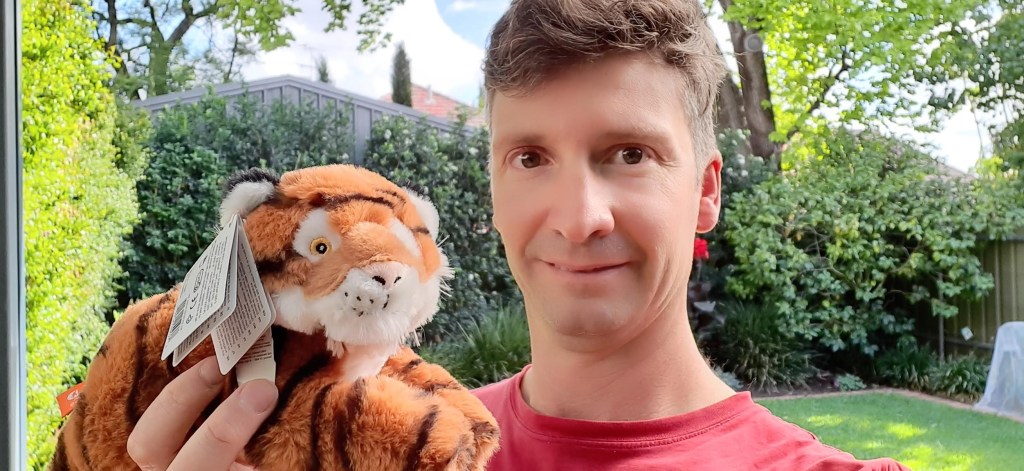
This trip owes its inspiration to little Aksel, son of Sakhalin friends Rune and Alexandra, who was born around the time I was in India. Back in May 2019 I bundled Timur the Bengalese Tiger teddy in to a poorly constructed box and let the Indian and Russian postal systems decide his fate. Alas Timur was turned round at Kazan customs, apparently he was leaking and so returned to India to see out his days in an New Delhi post office pigeon hole. Since then I’ve been searching for a suitable tiger teddy to send over, but Vadim from Venice, Alexey from Amman and Maksym from Milton Keynes, just did not fit the bill.
With some ideas to be actioned in Kuala Lumpur, I looked for the cheapest way to get to South East Asia. Emirates points and a few pounds, Jakarta was the best arrival city. But where in Indonesia to spend a few days to unwind?
Sumatra has tigers, granted only 400 left in the wild. So the target was set to get to the Kerinci Seblat National Park and hike the tiger trail, experiencing the habitat in which these great cats live, and the challenges that they are up against. And to search along the way for Sergey the Sumatran tiger, the teddy version.
After a few days of work in Dubai, I bade farewell to the fireworks of the Middle East for a while. Arriving in Jakarta late at night, it was good to see that the floods had subsided. I would not need my diving mask and snorkel to leave the hotel. Packed just in case, one never knows when a random act of scuba diving is called for.
My PACO/Instrument Engineer, depending on which part of the world you work, picked me up from the hotel and took me for a tour of the South Jakarta area. We did the same in the evening, although this time with different beverages. Sunday was spent by the pool, being introduced to an interesting Canadian/Brit, formally of the UN Development Program, now self-employed, sharing our stories on rubbish, and how we can clean it up.
Then it was off to Sumatra, landing in the town of Medan, a very busy city on what I thought was a sparsely populated island. How wrong I was there. Checking in to the cheapest hotel I could find, GBP 6, a bargain, it just needed a visit to the nearby shop to buy them out of all their mosquito elimination devices.
My idea of arriving in Sumatra and ‘finding my way’ was proving to be challenging. Although this approach works in Bali, Lombok, Malaysia, Thailand, and India, here the vast distances and challenging driving make point A to B travel somewhat treacherous. I managed to get a shared taxi to Lake Toba, and 6 hours later, white knuckled, unfolded from the car, and bounced on to the ferry.
Arriving in Lake Toba, it was inspiring to be in the location of one of the largest eruptions in history. About 75,000 years ago this volcano blew its top, spewing out the largest volume of dust into the atmosphere presently known. Apparently the resulting global winter was a bottleneck for human development, or so the posters say. To some human species maybe it was what the Deccan Traps eruption was to the dinosaurs? Before returning to a dormant stage, a cinder cone grew in the resulting caldera, and filled with water, creating an absolutely stunning geological formation.
Inspired, my running shoes took me on a journey to find the best view. Sitting at the cafe on the top of a high cliff, it was easy to think that I was looking at a salt-water fjord, until the fish eagle flew past, the scene merging Norway with South Africa.
Medan – finding Traveloka story (flight ticket and delay), dusty streets, local foods, welding shops, metal workers, palace.
Padang, green, colours, large town, good river view base, Bat and Arrow, call to prayer,
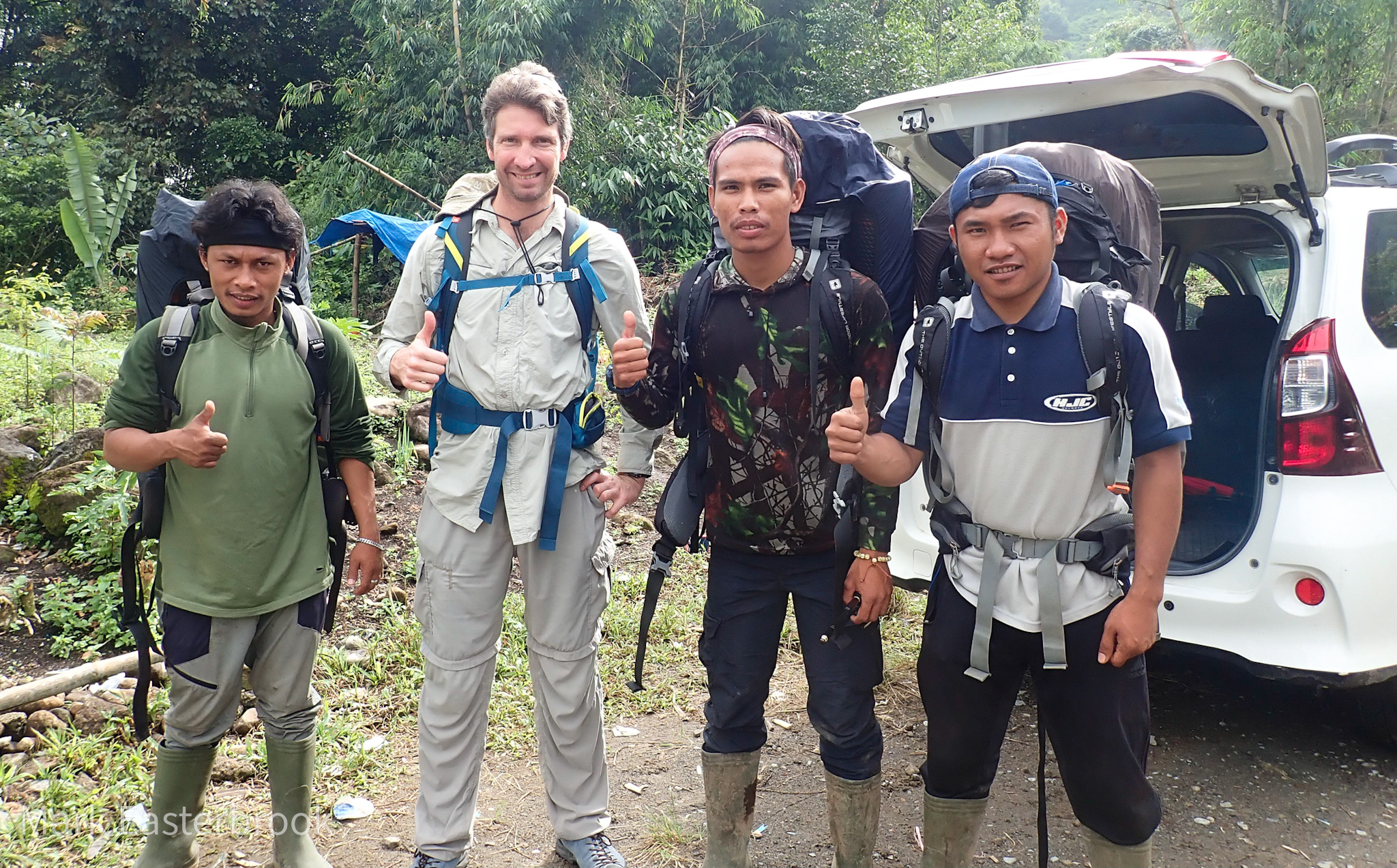
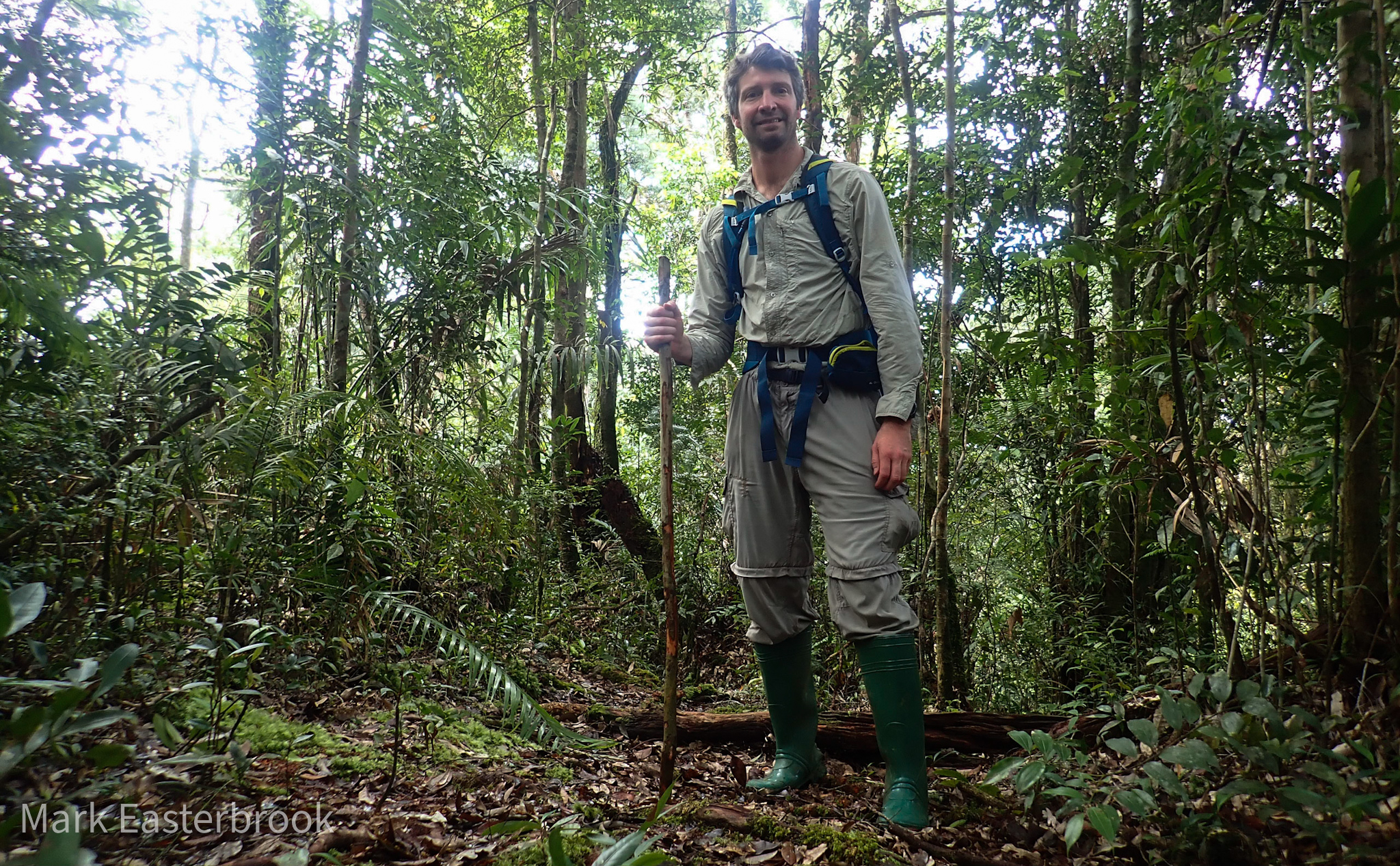
Drive to the to the Tiger Trek path in Kerinci Seblat National Park, West Sumatra. Background of Wild Sumatra and the significance of Kerinci Seblat NP. My guides and porters made our way to the trail head and stopped me at a shed.
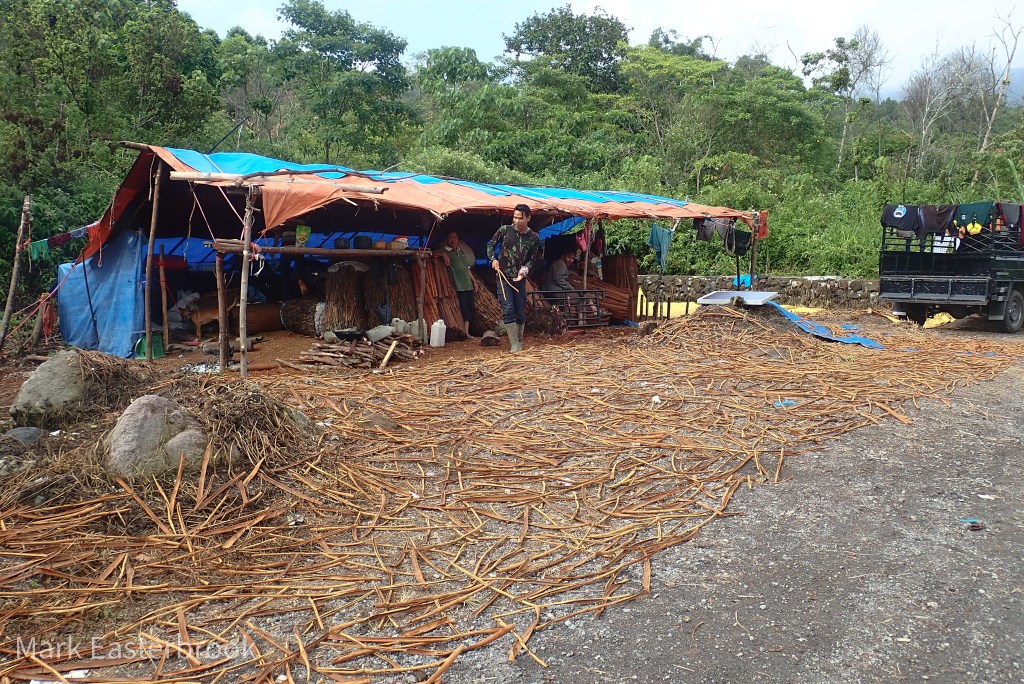
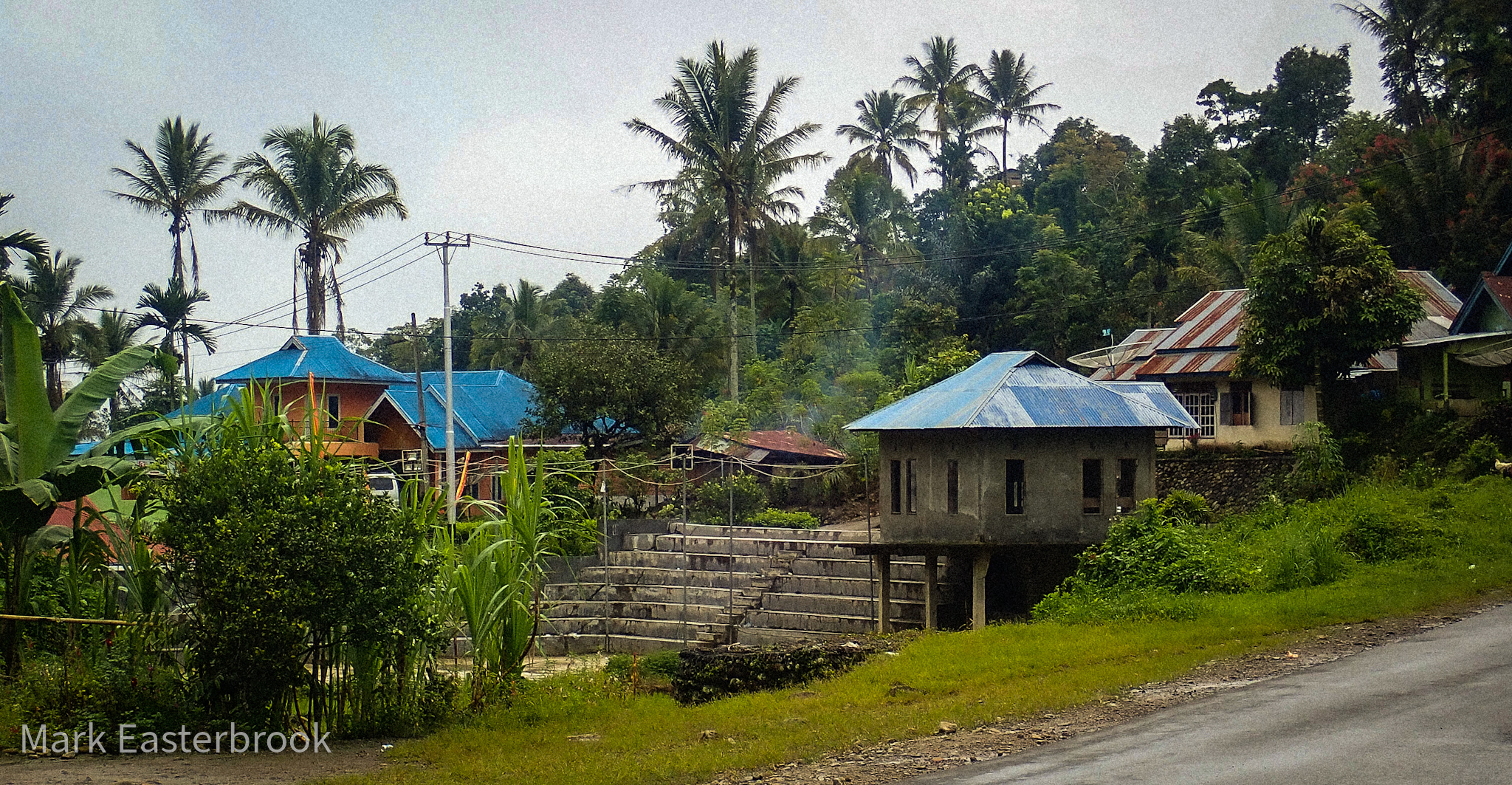
The place was a hive of activity, with large bundles of sticks being loaded on to rickety old trucks for their journey to town. Old wrinkled men smiled at me through mouths with gaping holes and blacked teeth. Sugar is certainly not lacking from the diet here, Teh Tarik is one of my favourite drinks too. The dentist is calling.
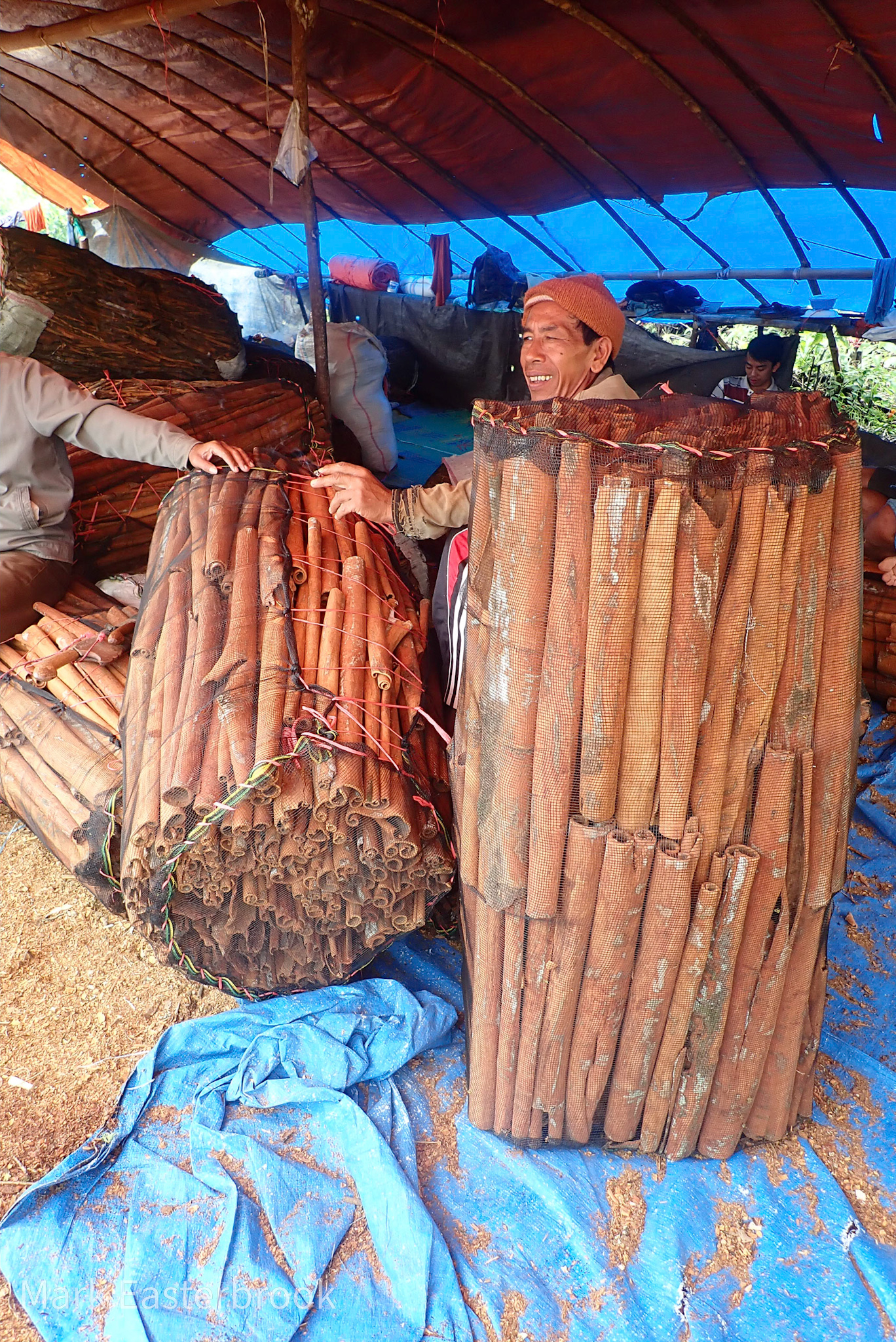
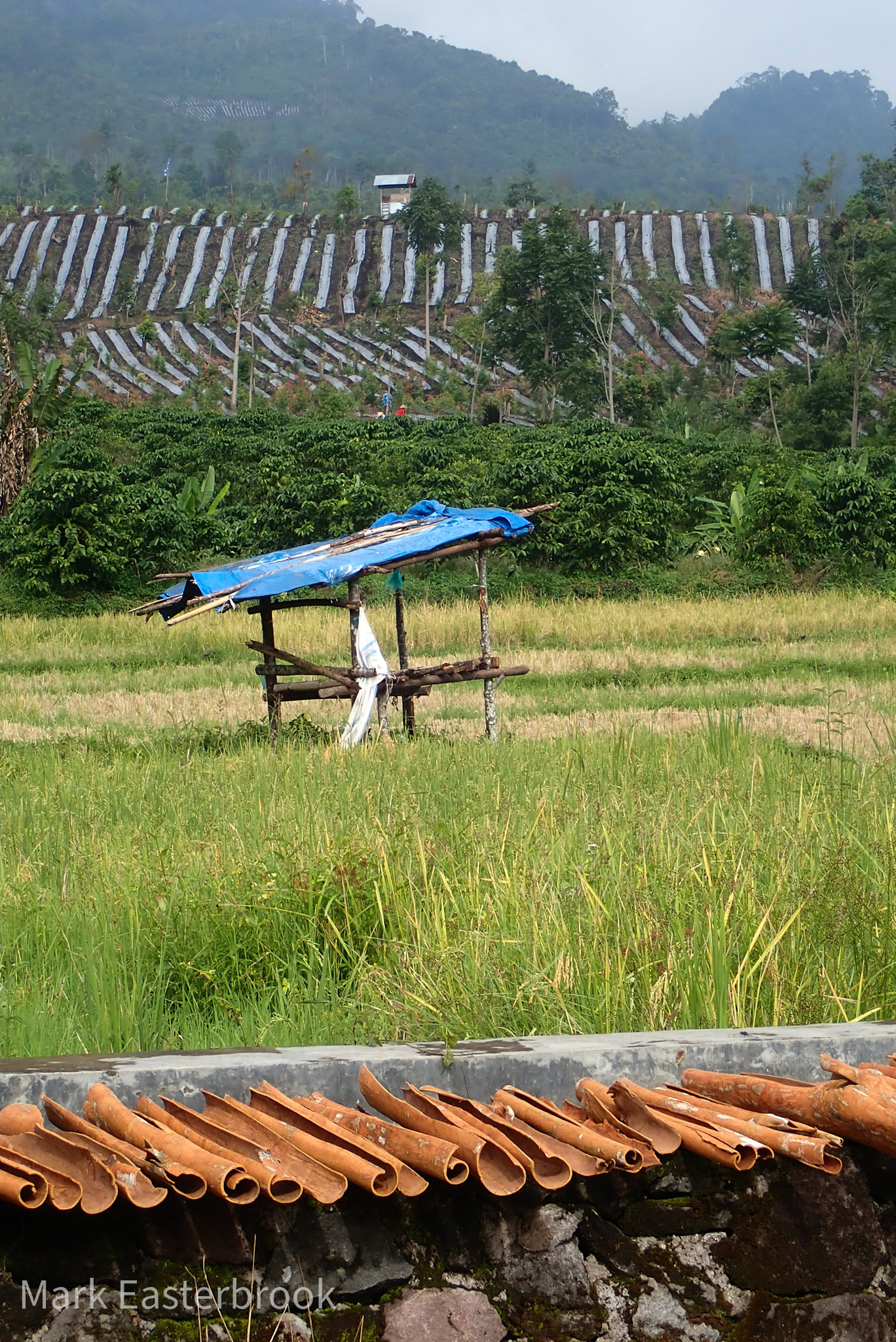
Cinnamon sticks were being laid out in the sun to dry, it turns out this area is capitalising on the increasing price for this product. One bundle could fetch GBP 250 at market, injecting a significant sum of money into the community. However, taking 7 years to grow entry level quality, and 20 years for top quality, the cinnamon business requires a lot of land to be lucrative. The scars on the mountain side lay testament to this diversification away from rice and chilli farming.
Andy, my guide, managed to negotiate a few sticks of cinnamon from the farmers, and handed me a piece of khayu manis, meaning ‘sweet skin’ in Bahasa, and how good it was. This was the first time that I had chewed this long on a Cinnamon stick, and eaten the whole thing.
The trail wound us up a hill, past the banana plantations, with the pathway riddled with plastic wrappers, strewn carelessly by the searchers over the last ten days. I was introduced to Tiger Balm, the root of a plant that when rubbed on my skin was both a relaxant and a mosquito repellent. A few steps on and Andy pulled down a purple, grape looking fruit and motioned me to eat it. The flavour was intense, spicy and full bodied, with a punch that left the top of my mouth and tickled the nose hairs. The clove flavour was overwhelming, and I felt the urge to raise a navy and sail this good stuff across to Europe, just like the Dutch had done in the 1600’s.
We meandered through the trail and worked our way through the ‘Community Forest’. Similar to the Indian conservation model, it appears that the local community is able to utilise the products of the forest, such as firewood, cinnamon and for recreation. Where India has a defined legal separation between Buffer Zone and Core Zone, here in Sumatra, the separation is achieved by distance in to the jungle, the further in, the less people venture. It took me two days to get here, so can understand why policing an Indian type policy would be impossible.
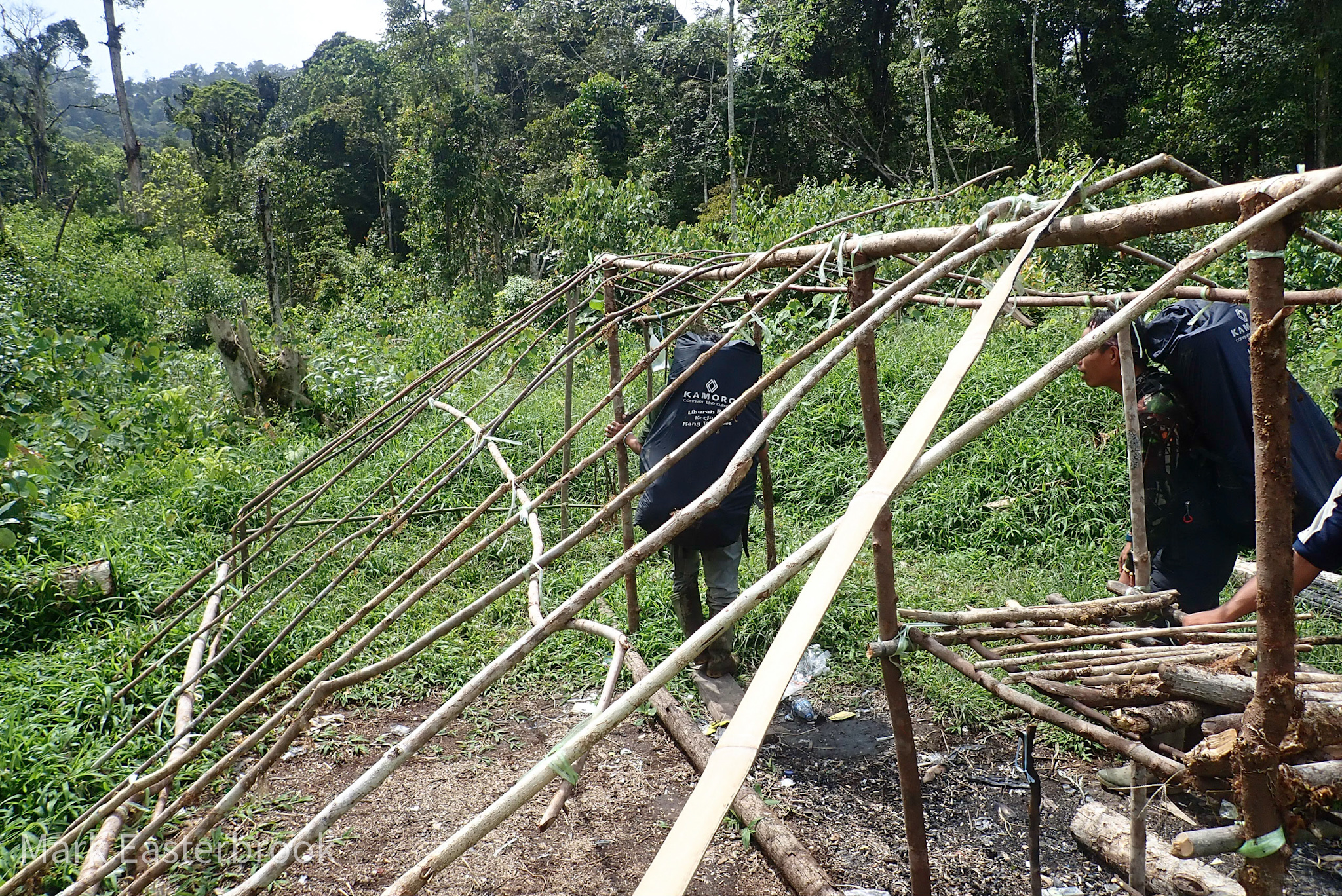
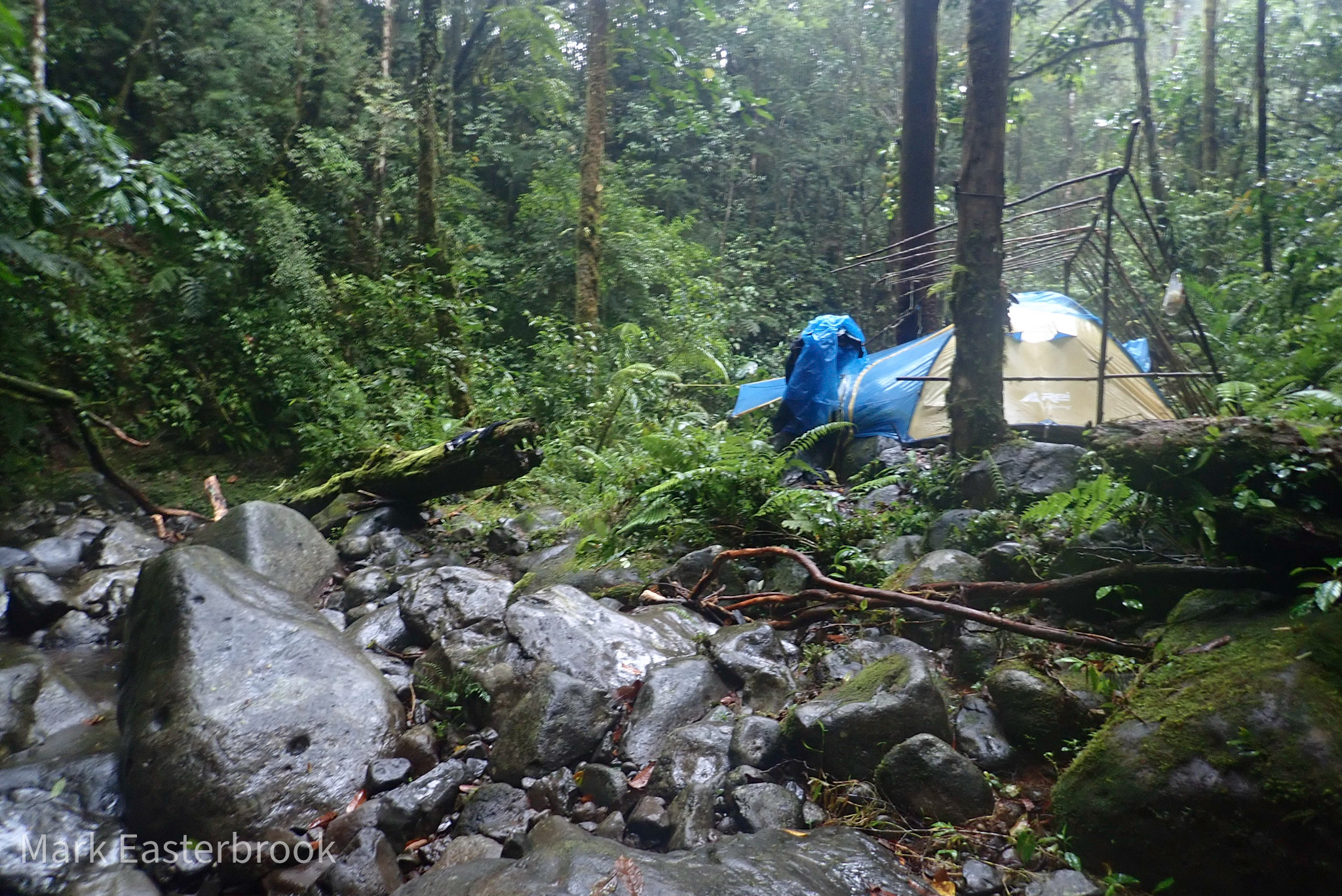
The journey in to the natural habitat of the Sumatran Tiger was very encouraging, and seeing first-hand the challenges they have with community development and poaching was stimulating. Seeing cinnamon and chilli plantations taking out a few tens of meters of forest per generation, it was comforting to know that there were hundreds of square kilometers set aside as a national park, to keep this 114 strong tiger population ticking over.
Further down the pathway, we stopped at a lump of grey hair on the pathway and Andy the guide became very excited. After poking it with a stick, it was revealed to be goat hair in cat scat. Andy pulled out what I thought was a tooth, it turned out to be the knee joint of the said goat. His excitement was infectious as he exclaimed, ‘yay, we still have a wild tiger living here’!
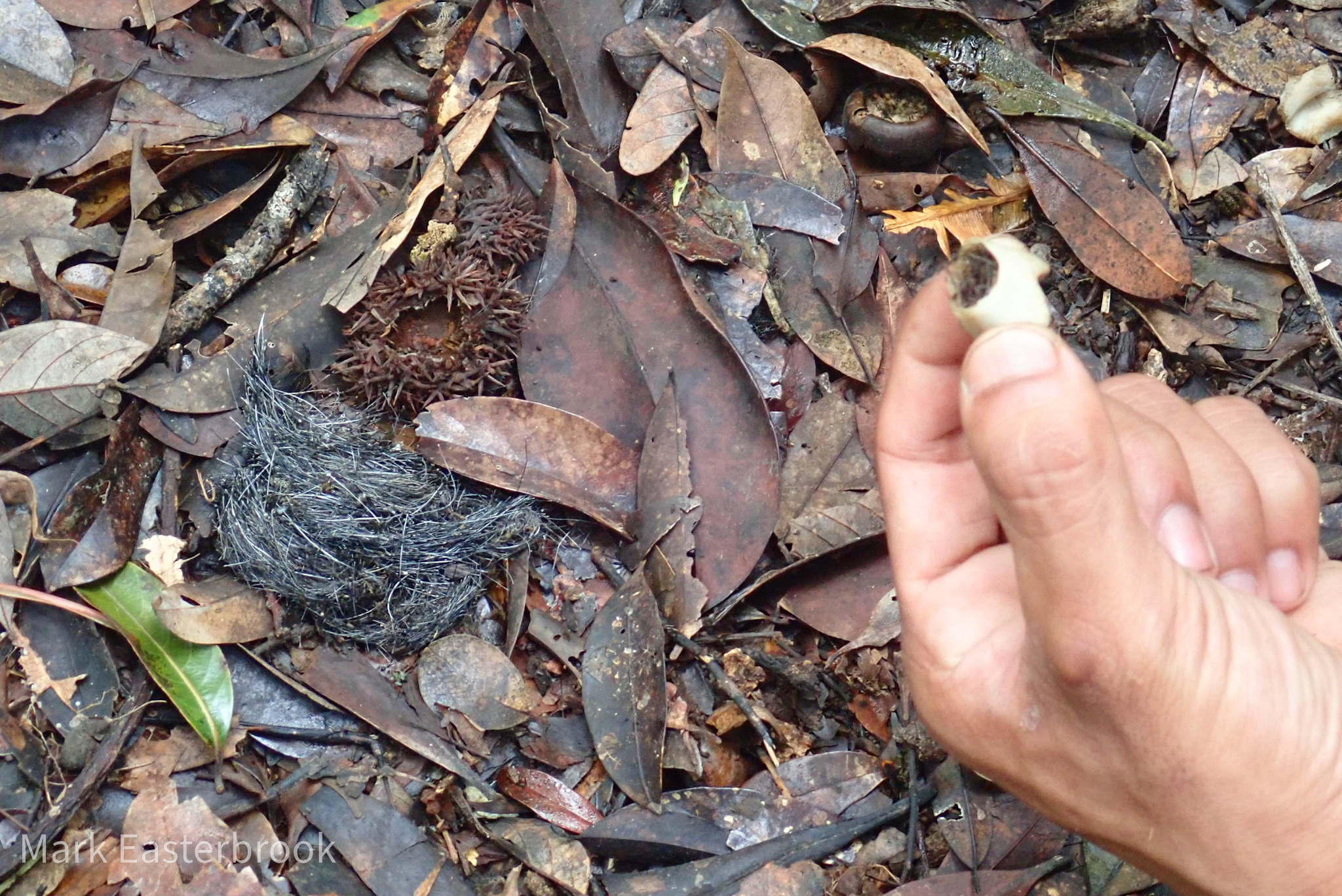
Searching for a tiger teddy in Sumatra was just as difficult as finding a live one, so I left Indonesia for Malaysia with aims of finding one in KL. Once meeting up with Mr. Dave for a night out, there were tigers aplenty, a tasty beverage, which on Chungkat, make for a fun evening.

Leaving Sumatra and Malaysia, it was off to Adelaide to see if I could find a tiger teddy at the Adelaide zoo. Who would have thought finding a tiger in a toy shop would be so difficult, that’s the problem with endangered species!
 Ecosystem Hotspots