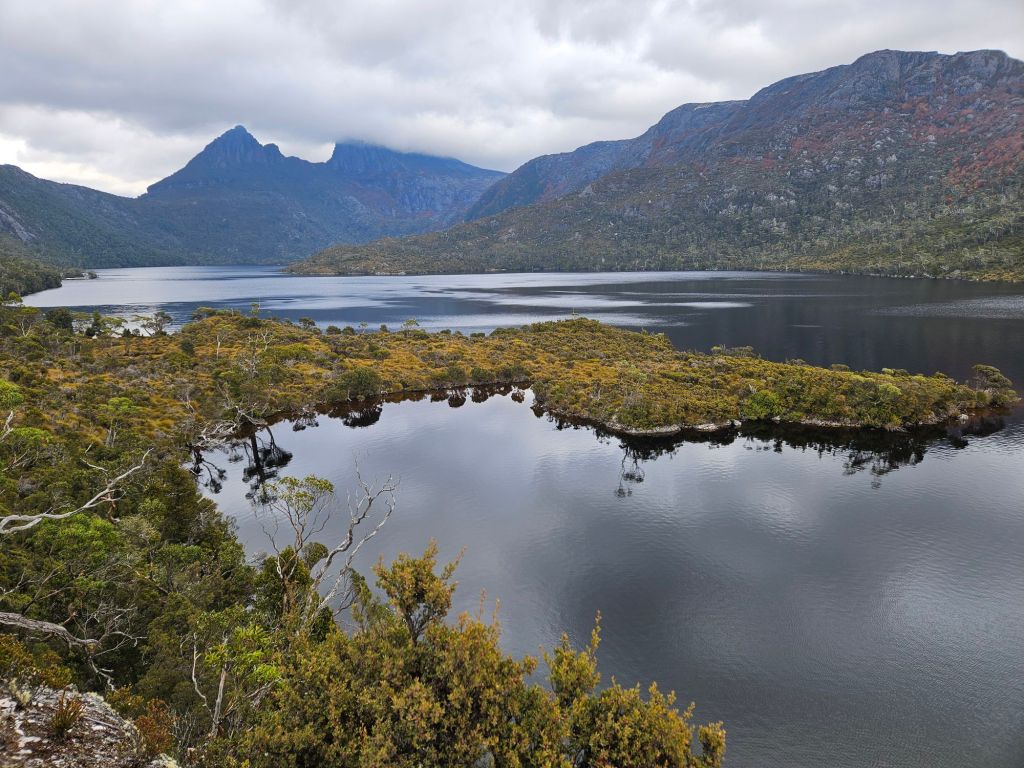
Tasmania is enchanting. With all of its mountains and rivers, I feel like a kid in a candy store when touching down on its shores.
Famous for Cradle Mountain, it also acheived global fame by holding the World Championships of rowing in 1990. It gets 16% of its energy from hydro-generation. The water from the power system makes for the setting of some calm and picturesque rowing lakes and the height from the mountains some spectacular hiking.
With a rowing regatta thrown in, the scene was set for a special holiday. The Australian Masters Rowing Championships (AMRC) at Lake Barrington presented a perfect opportunity to benchmark my performance in the single scull against the best in (my age-group in) Australia, and to understand what needs to be worked on before Worlds (in Germany).
The regatta also presented a much needed reconnection with my two best buddies from Unley High School Rowing Club days, the Burford twins. The option to test my post-race legs around the mountain ranges of Cradle Mountain and Mount Roland was also appealing.

Back in 2009 I had visited Tassie to catch up with these two schoolmates and their girlfriends. This trip became an opportunity to reconnect with them, now married men with families. The sport of rowing has a great benefit of keeping old friends connected, the body fit, the mind healthy, and the photo album well stocked with travel pictures.
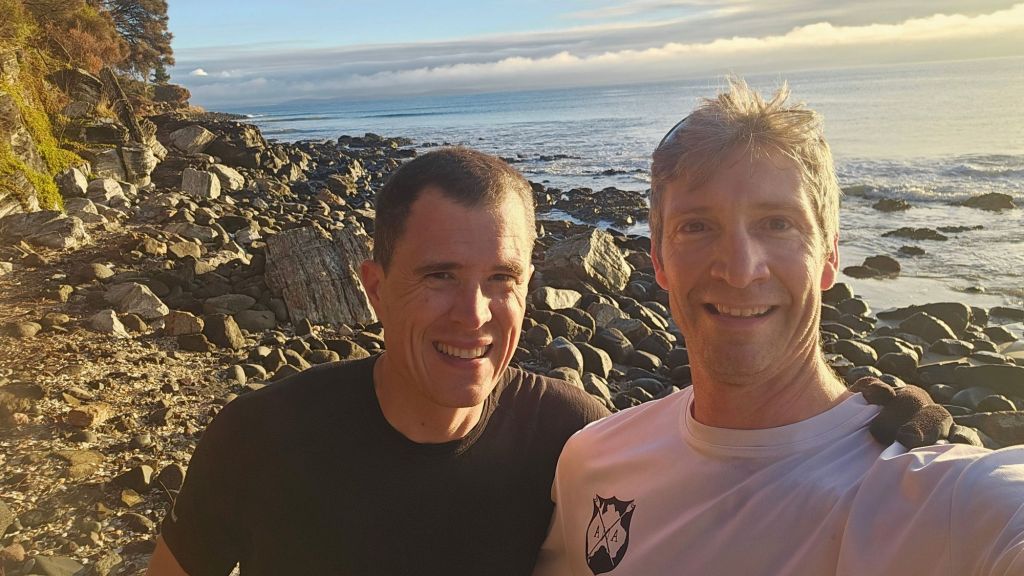
On arrival in Hobart the unfiltered banter of 17 year olds returned. The first phone call to Tom announcing my arrival was met with the line ‘go to the pick up place’, to which I responded, ‘just like most of my friday nights’. Feeling comfortable in hearing a familiar voice, although some 15 years older than last we spoke, was uplifting. It was shaping up to be a banter full weekend.
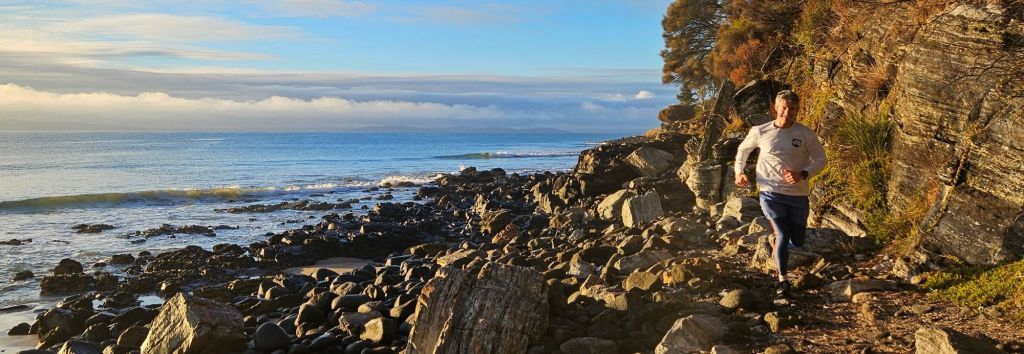
Saturday started with an early morning run. The only drawback of having fit people for friends is the casual knock on the door at a dark 6am asking for a run. Yes is always the answer, no matter how cold or dark it is. As long as we could have a cup of tea first. The reward is always special, as sunrise along Seven-Mile Beach proved.
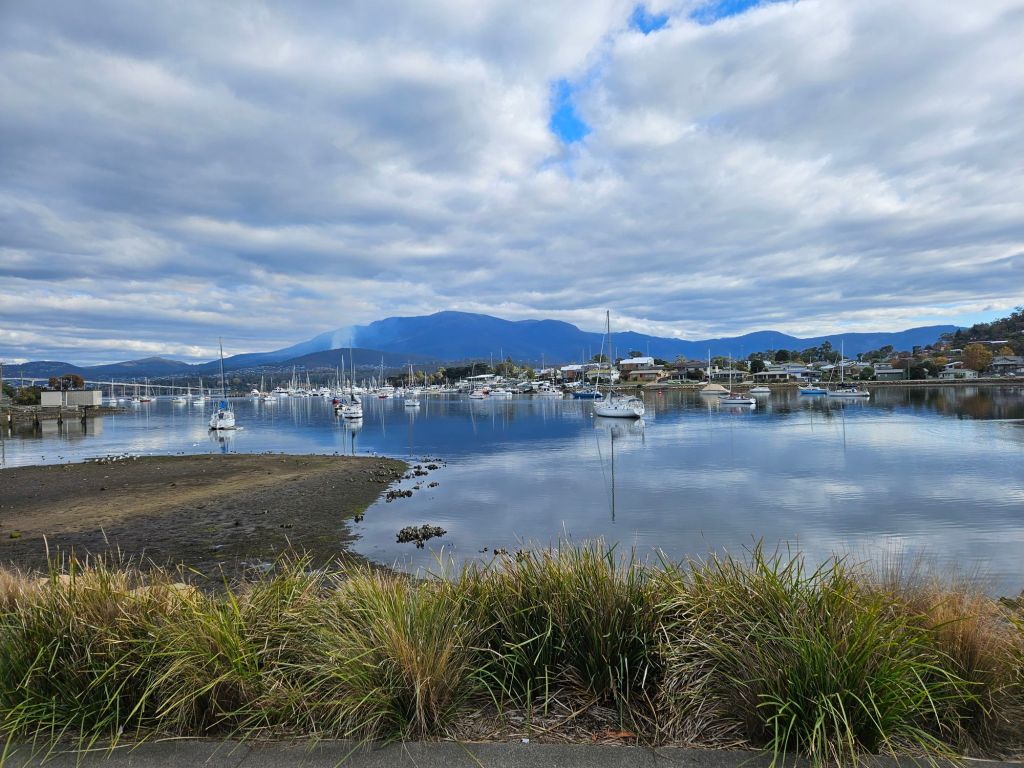
The rest of Saturday was spent at the football games of the children, and at Andy’s outdoor pizza oven, reminding me of a quaint Russian dacha. Any opportunity to take in the views of the gorgeous Derwent River as it passes through Hobart, were snapped up.
Sunday was spent cruising around the mountain bike tracks of Hobart. Two former mountain bike racers and a 6 year old. Not quite the same speed as we used to do in Adelaide, but the younger generation is still better at getting both wheels off the path than I ever was.
I’ve been impressed by the kids of old friends that I’ve rowed with. They always seem to have their parents determination and enjoyment of their chosen sport. Often not rowing alas, but there is still time to change that. Having trained with them and strained with them during races, it is good to see those traits being passed down to the next generation.
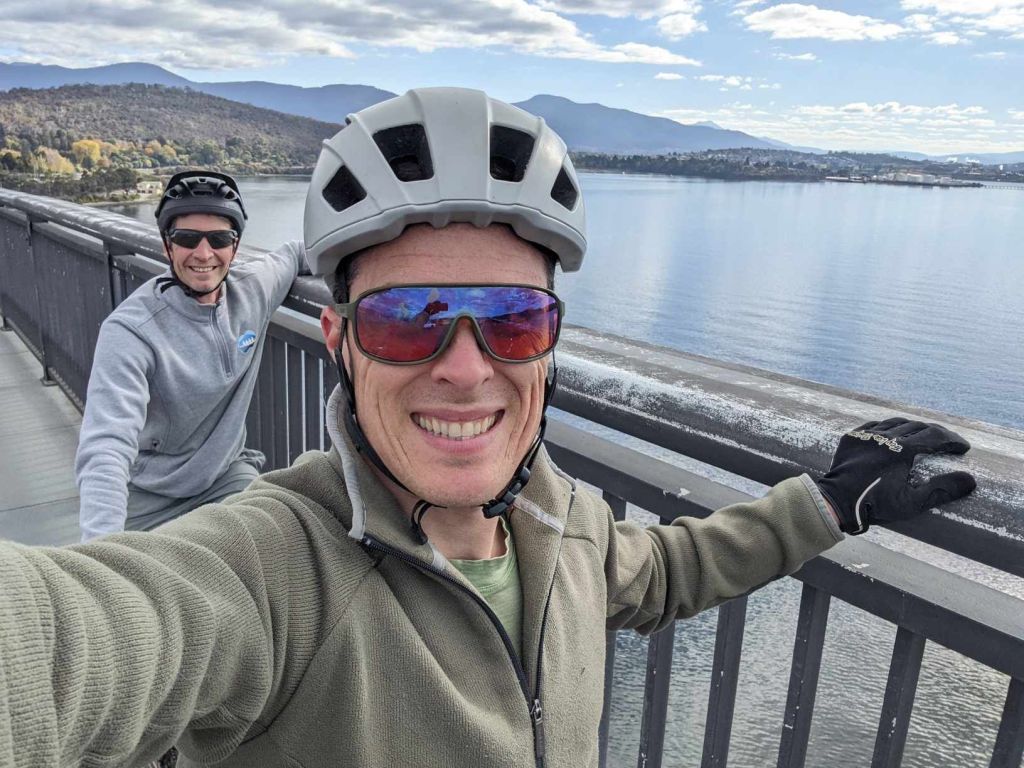
A reunion trip is never complete without the reflection on where the others are. Thankfully they are all still alive, albeit spread accross Australia and the world.
The scheming began about how we could get our crew back together. My mental cogs fired up when Andy mentioned we had the bow, stroke and cox from the Unley eight, so a picture indicating we were only missing 2 to 7 seat and coach had the beginnings of a Facebook campaign to get our now aging crew back together again.
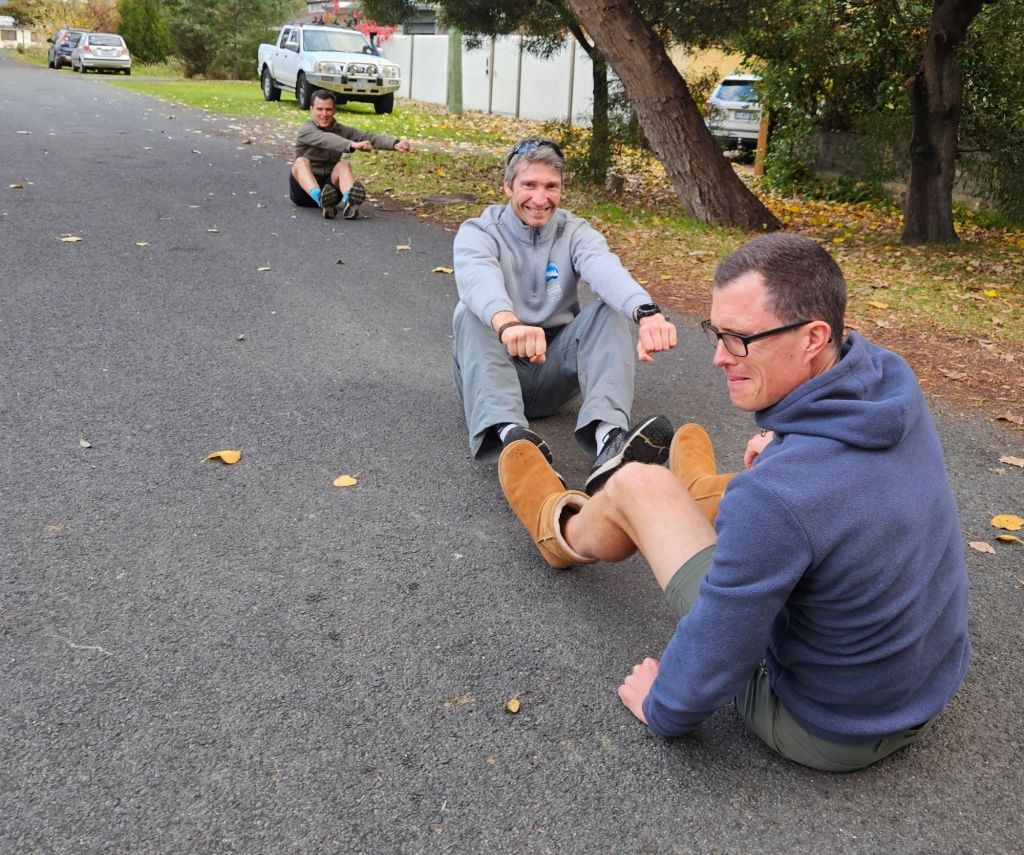
Hopefully that will happen at some future AMRC, but at the moment it is a work in progress.
By Monday it was time to head north towards Lake Barrington. No rush though, and the gentle drive through the Great Lakes district was special. Learning new things at every corner, a fellow traveller seemed determined to ensure I committed to going to Cradle Mountain, where Tasmanias only deciduous Fagus was turning orange. Presumably a tree I thought, she seemed happy to know I would venture there on Friday.
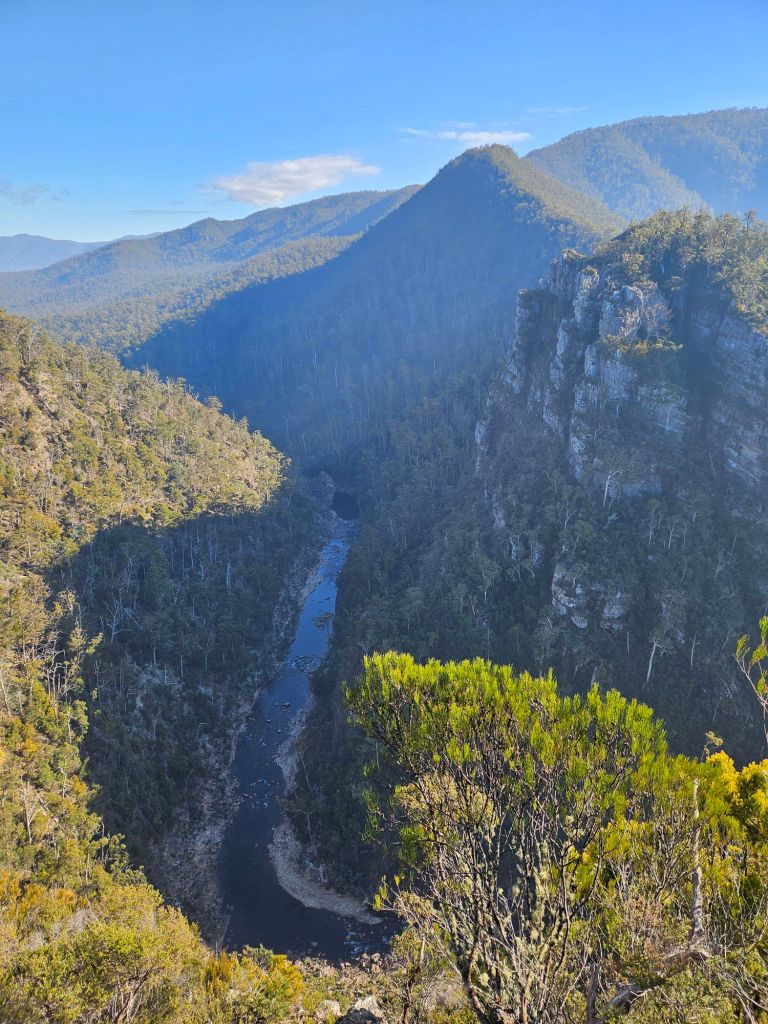
Driving through the highlands it is easy to understand why Tassie turned to hydro as their baseload energy source. Steep terrain and an abundance of water made the construction of tunnels, dams and turbine stations viable. Lake Barrington sits about halfway in the tortuous path for the energy producing water as it makes its way to the sea.
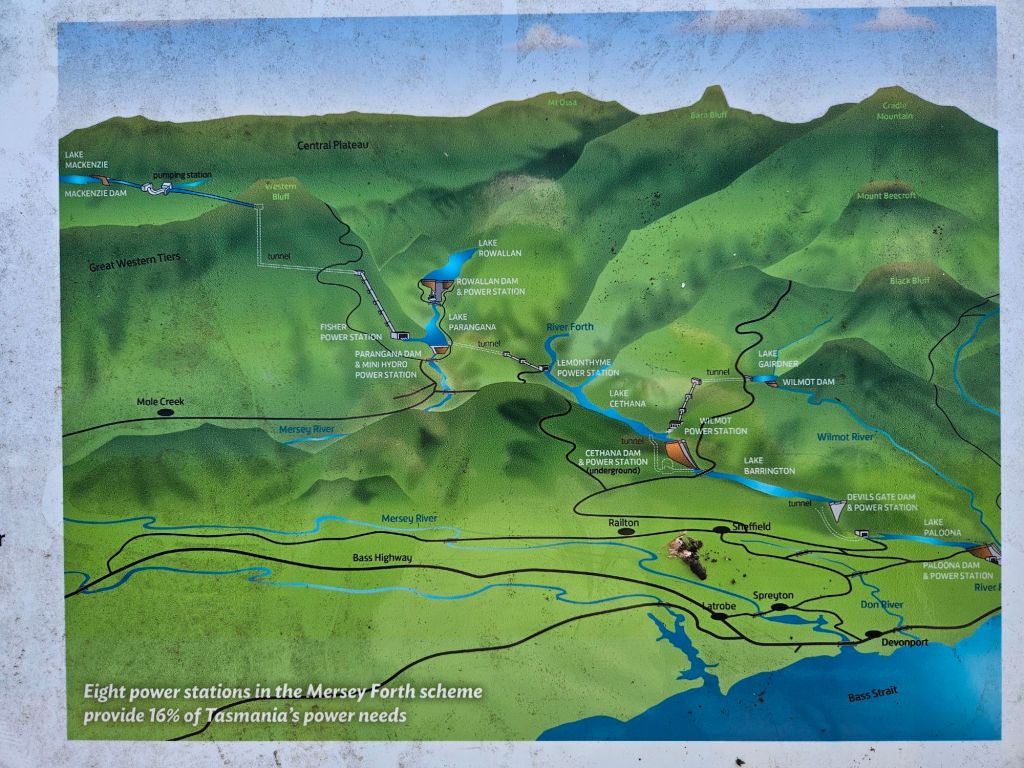
Water sits idle for most of its time before an exertive few minutes down the tunnel and through the turbine to produce the islands energy.
Rather like a masters rower racing the 1000 meter distance.
AMRC is an excellent opporunity for rowers past their prime in the younger world championship level to relive their youth. It even provides an opportunity for adults new to the sport to have a go at rubbing shoulders with the have beens and still theres of Australian Rowing.
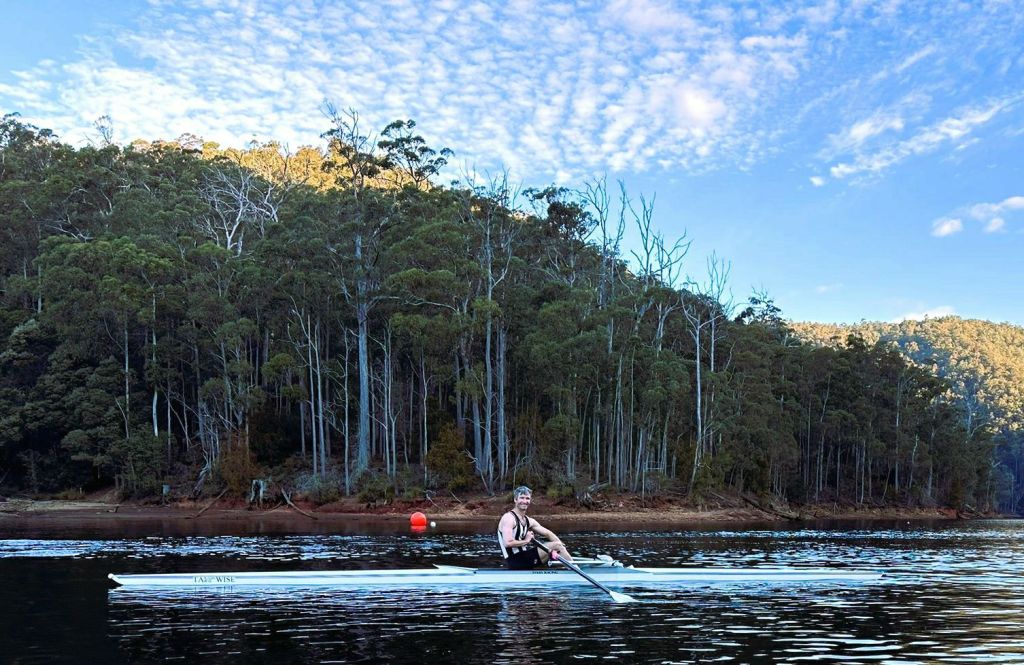
Arriving at Lake Barrington was special. I’d heard so much of the regatta centre during my few years racing in Adelaide, Melbourne, and Perth. From sparks flying off trailers in the descent to the course to the stunning views and surrounds.
My eyes were always on the lookout for familiar faces from previous regattas past and present.
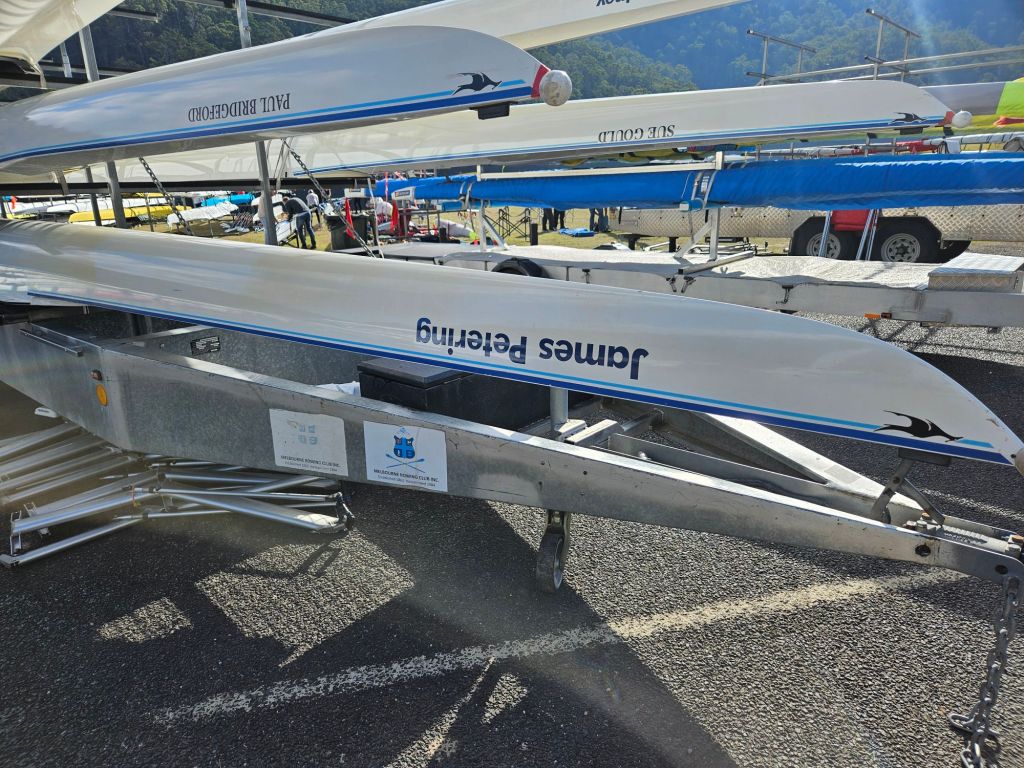
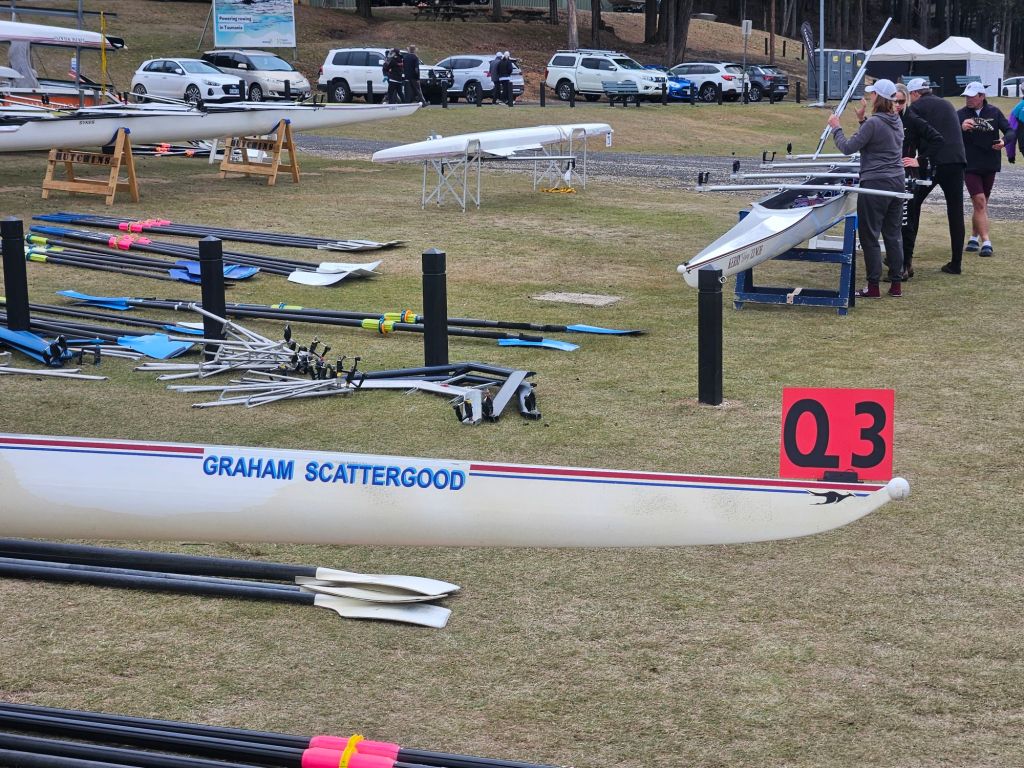
The first row on any course is always special. So putting my rented scull into the water and pushing off was a highlight. My race times in Perth had been well off the pace from competitive AMRC times last year. Acknowledging that, I was keen to soak up the atmosphere and maybe pick up a few tips from successful rowing friends and random coaches.
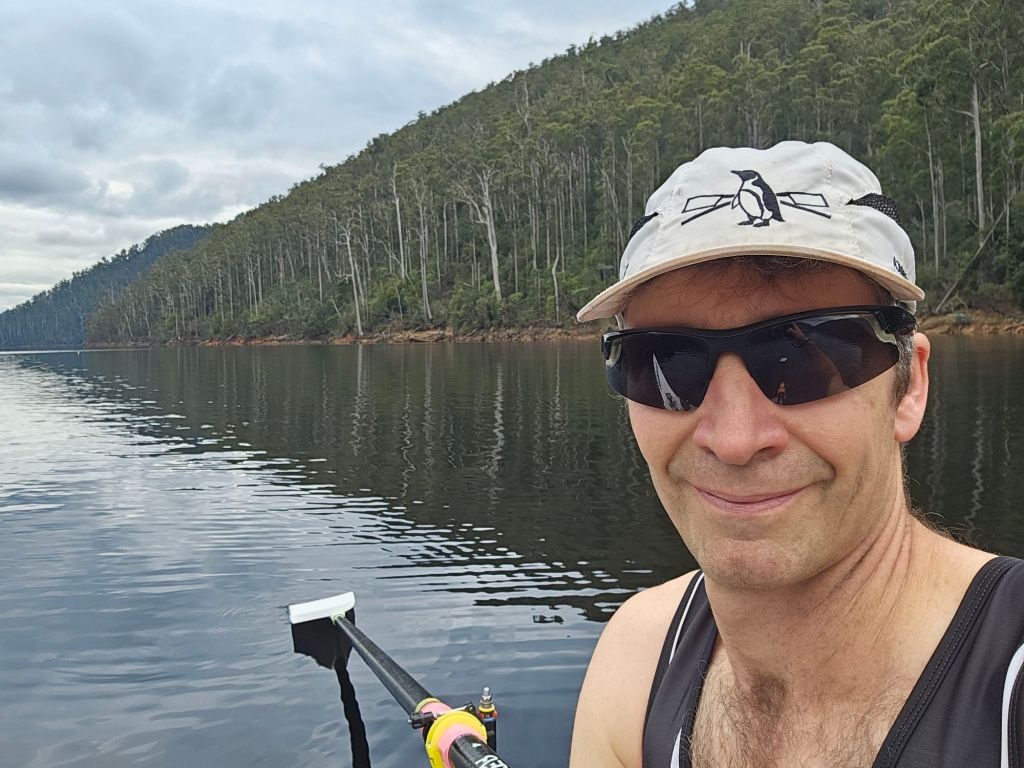
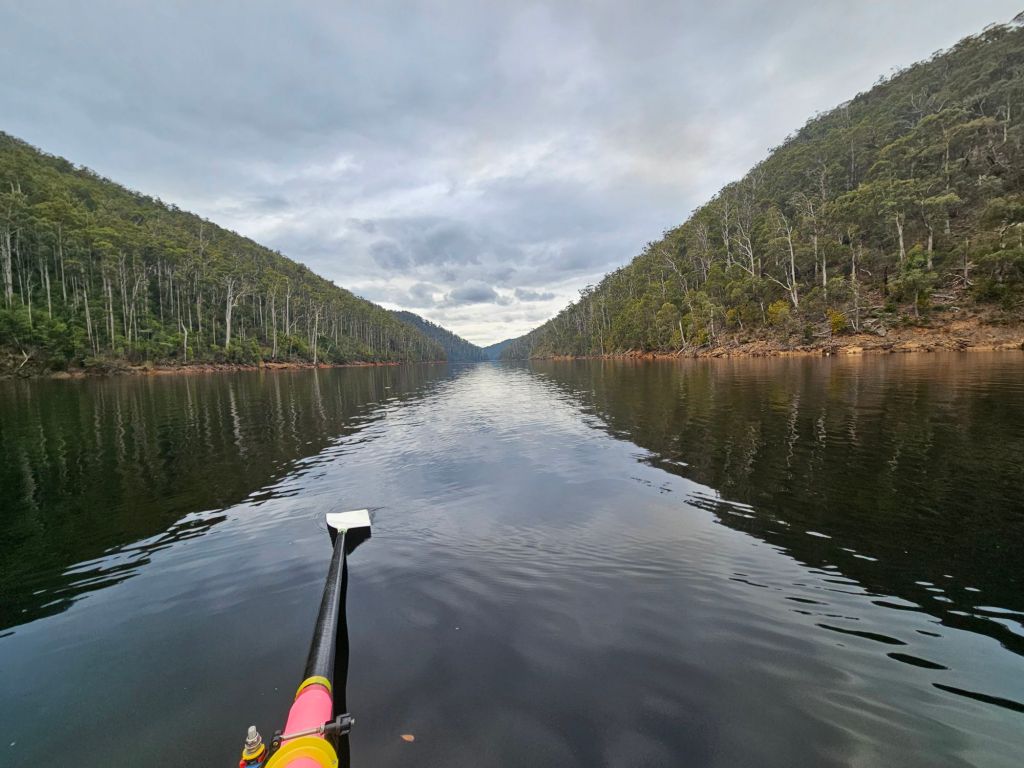
The water on the lake was peaceful and calm. Not churned up. Racing had not yet started and the power generation turbines were miles away.
During the preparation days I reconnected with a friend from my Melbourne days. He’d been successful then, having represented Australia at World Championships in the late ’90s. I would not have considered racing him back then, but here, some 25 years later, we would be lining up together.
It would be an interesting test to see how high quality early years technical skill development and a continuous rowing career rates against my scattered rowing career. With endurance fitness about even, sprinting fitness would be a differentiator.
Lining up at a big event is special. The precision, nerves, excitement, and commotion is exhilerating. Managing your mind to focus on the task at hand and have faith that you’ll go as fast as you’ve put into your training is a skill I enjoy practicing at these events.
The start is my favorite part of the race. Twenty strokes to get the boat moving, engaged with the other boats. Then the body reaches the anaerobic threshold and for me this is where it usually falls apart. In this race I was well off the standard even with the start sequence, so the settle was less of a strategic play, but a way to ensure I made it to the end. Frustration set in, again.
Short sprints are not much fun. Give me a marathon running race or a long distance training row and I’ll show up. During 1000m sprints I just don’t seem able to get the boat run needed to be competitive. Crossing the line 6th and nowhere near a finals place, it was clear more work is needed on fixing my connection to the water.
However, crossing the line 15 seconds after my buddy, a lifetime in a rowing race, but certainly a smaller gap than if we had raced in the early 2000’s, was rather satisfying.
Proving that it is important to show up.
During the regatta I’d made friends with the director of rowing of the school from who I hired the boats. After calming down, we had a good chat about my key weaknesses to work on. Quality coaching at Masters level is very difficult to get so I absorbed the feedback given, and left the course with a sense of satisfaction that the goal for the regatta had been achieved.
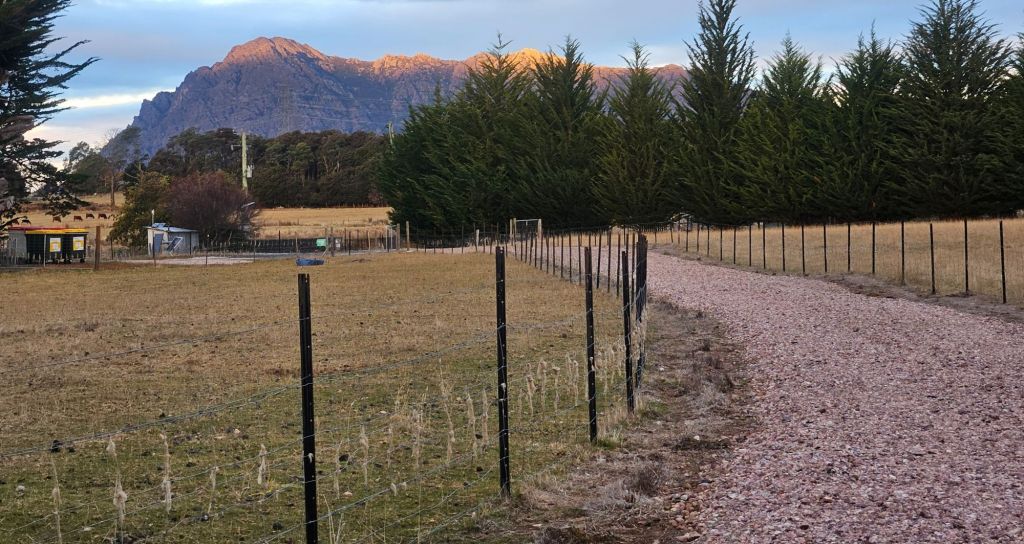
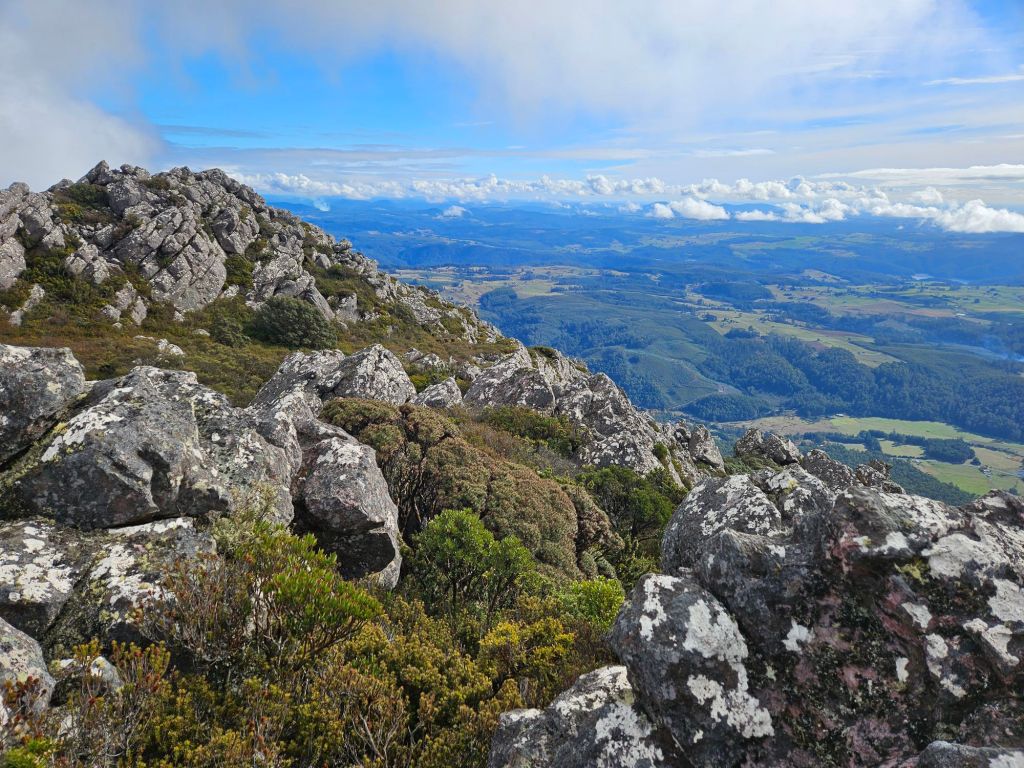
Then is was on to preparing for the upcoming trail running season. Cradle Mountain and Mount Roland make for stunning hikes and some rather intense workouts. With scenery such as this, no wonder Tasmanians are mad hikers and trail runners…
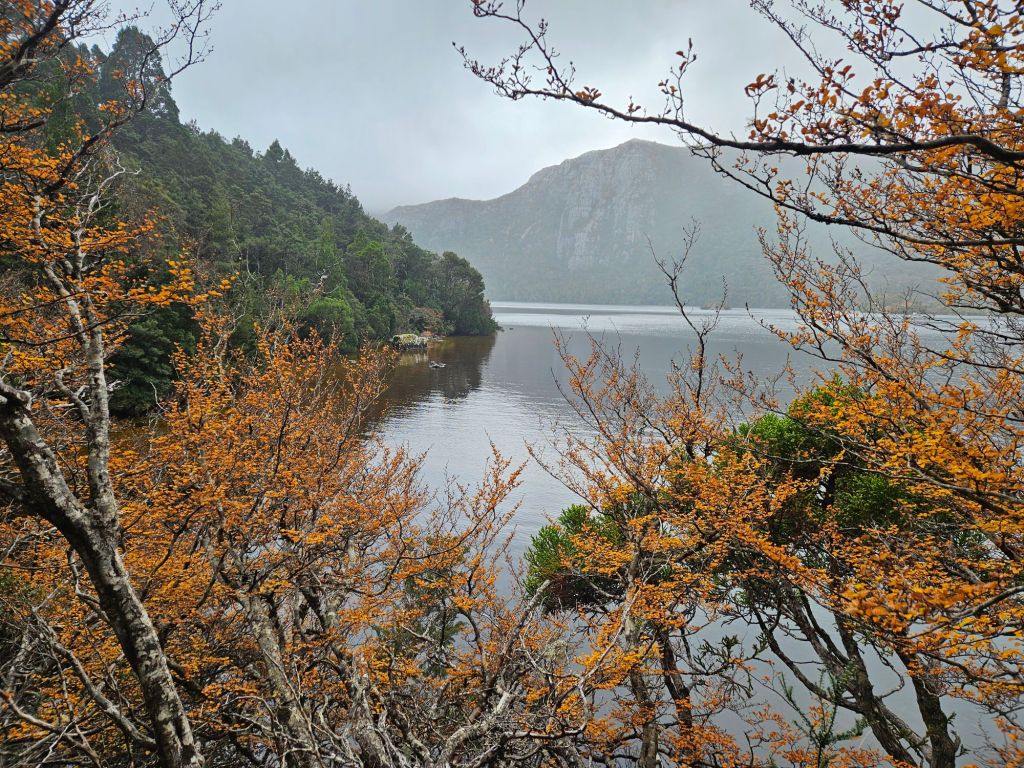
And yes, the orange Fagus leaves are spectacular this time of year…
 Ecosystem Hotspots