Page under Development
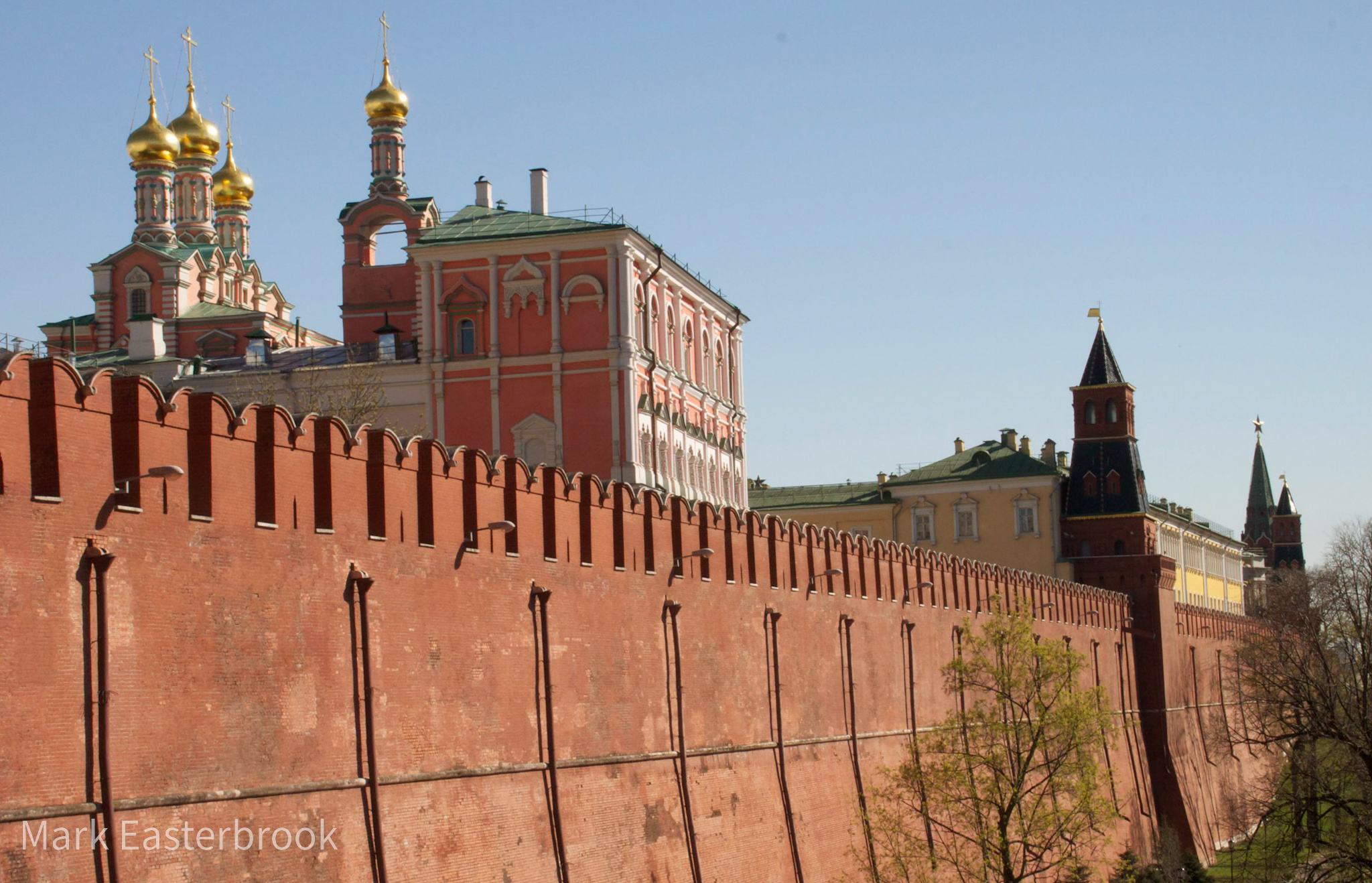
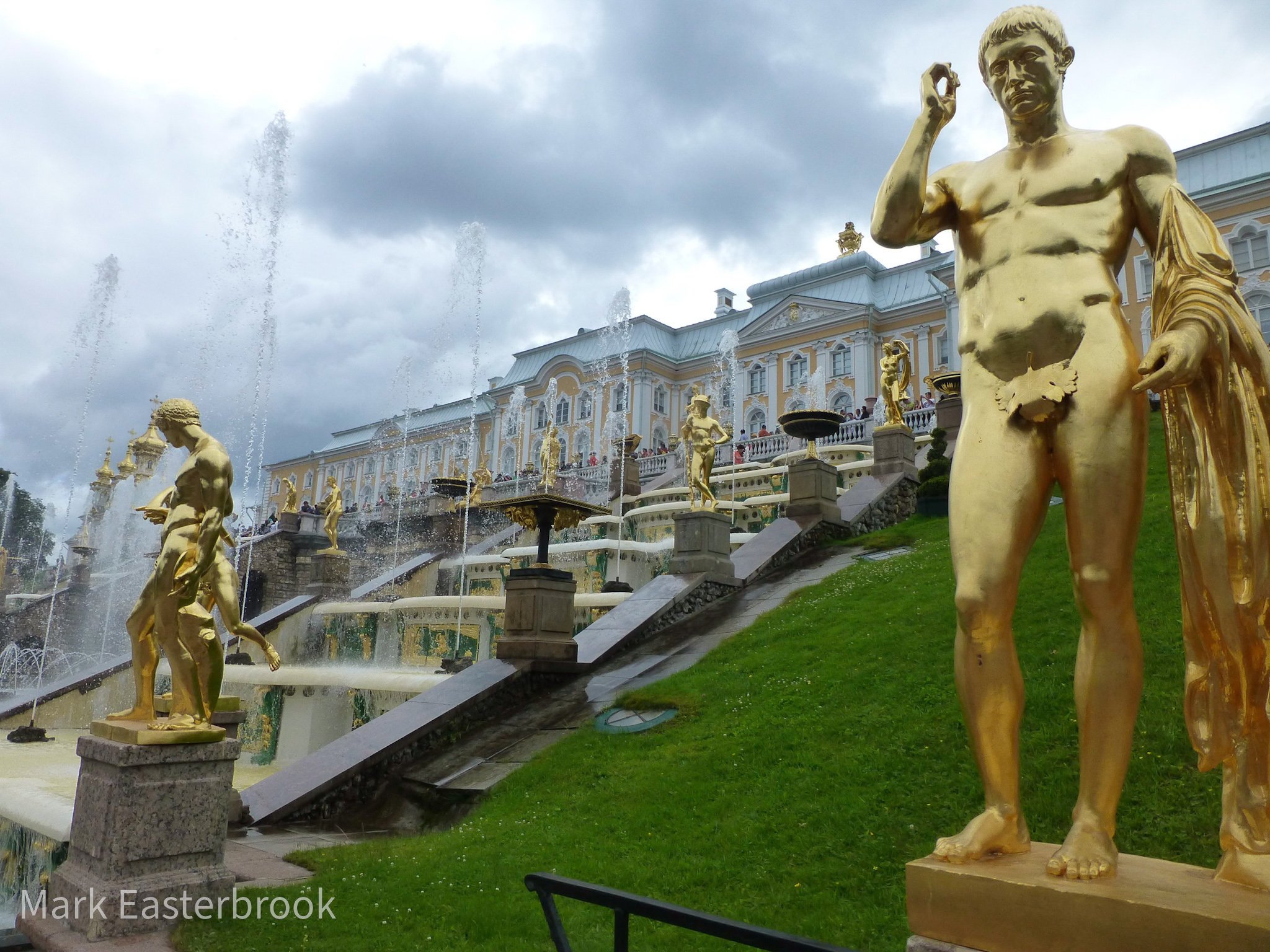
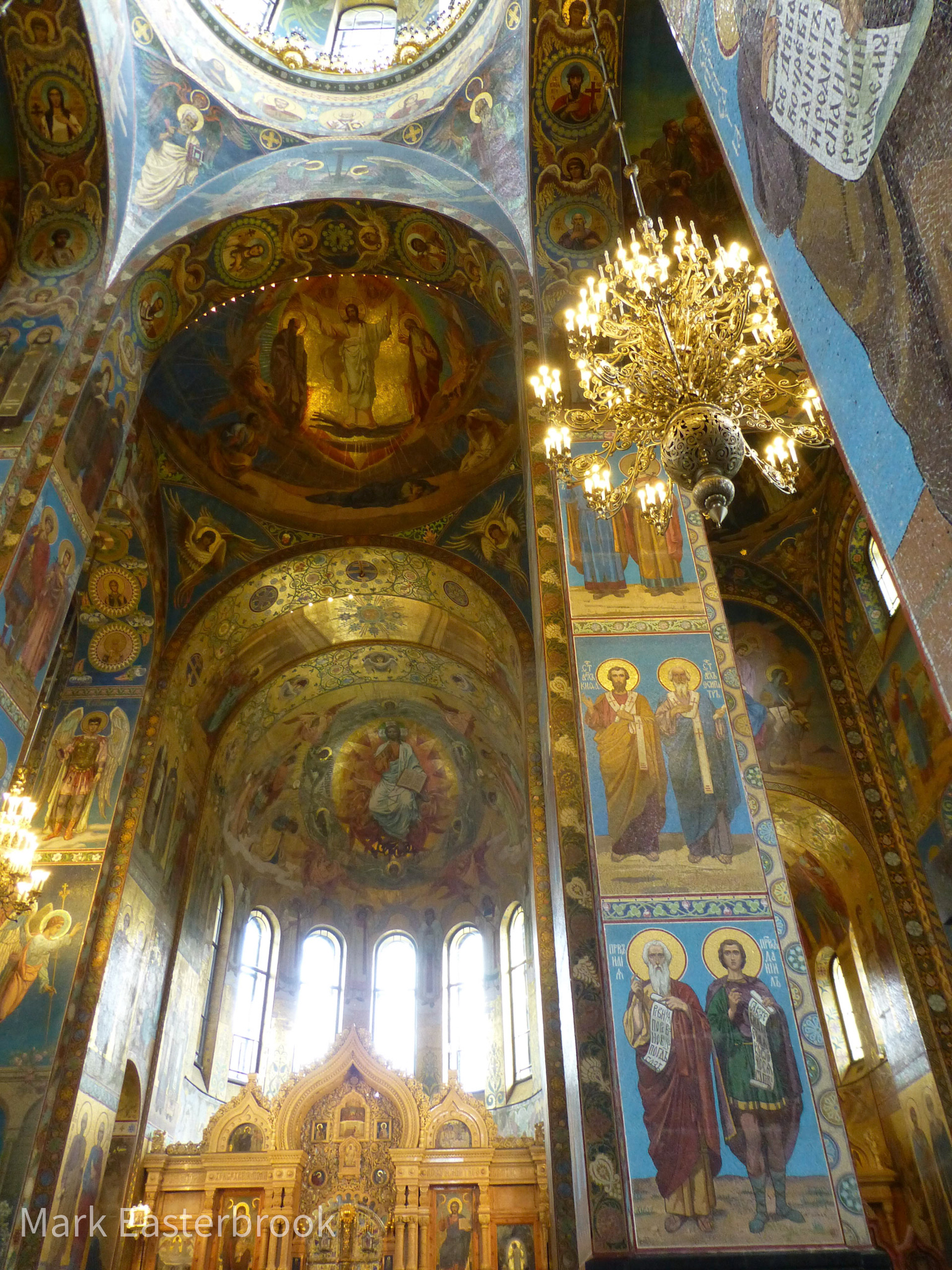
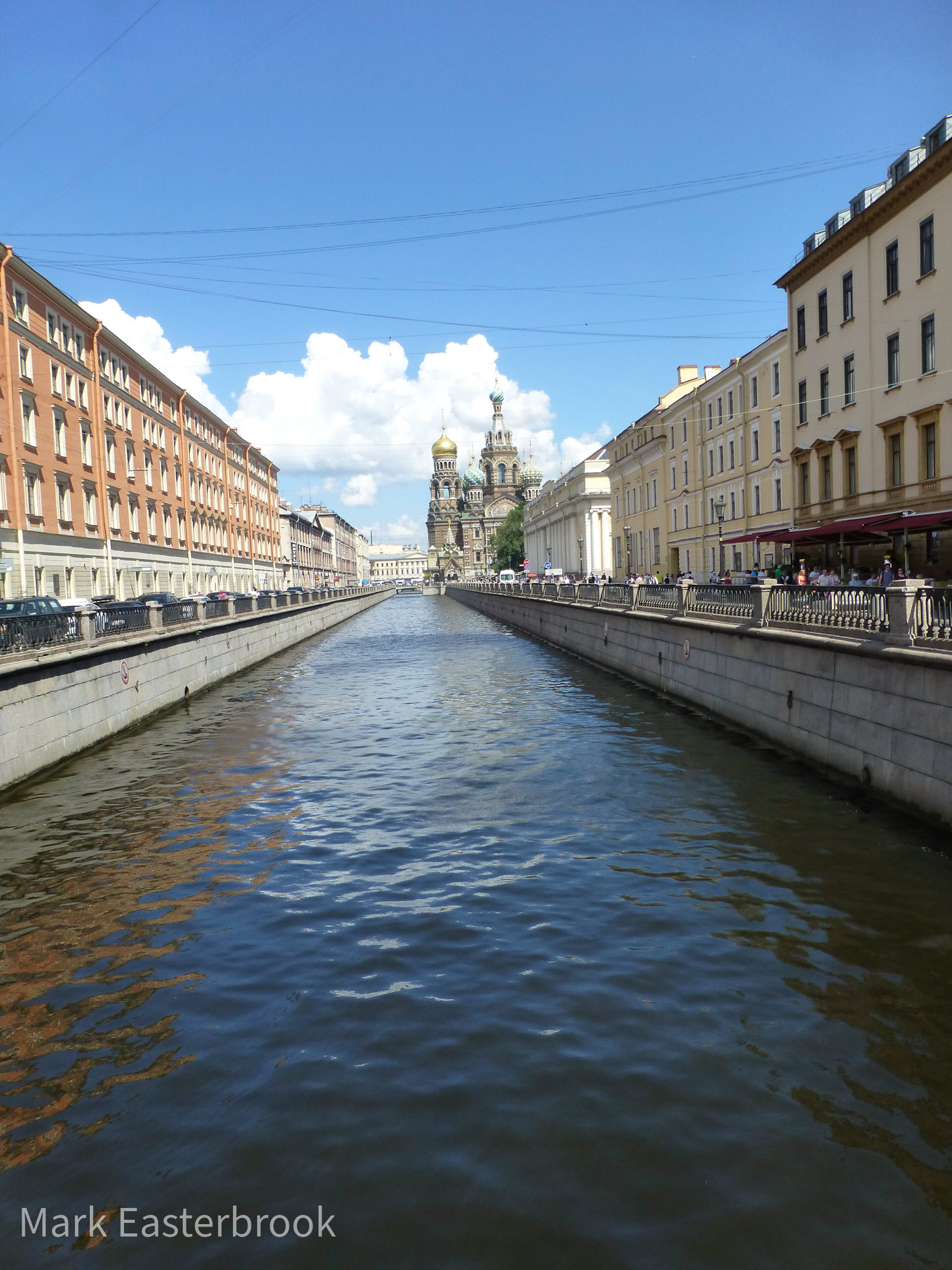
Riurik dynasty (Chieftain Riurik, 862AD, setup Riurikid princes dynasty) – Novgorod (Russia’s oldest city). Supported by Byzantine empire. Came to power in a similar way as Rajah Brooke of Sarawak (Kuching – Malaysia), then transferred power through concept of ‘Generational Seniority’, and land distribution. Kievan Rus lands are the possession of the dynasty. Princely administration replaced tribal alliance and authority (link to Ottoman, Persian, British influence over Iraq?).
Riurikid dynasty converted Kievan Rus to Christianity, now had a uniform religious and cultural framework in which the emerging civilisation could be governed. In the spirit of religious tolerance, Vladimir put all gods (statues) on a hilltop – how did this work?)
Riurikid dynasty philosophy – co-operation in crisis. But as the family/dynasty became bigger, intradynastic conflicts over success to the throne of Kiev emerged. The senior member of the eldest generation of the dynasty was heir to the Kievan throne, passing to brothers or cousins, then to sons. Once the family tree had grown, it became more challenging to define seniority and an outside force was used to assign leaders, enter the Mongols and their control over Kievan Rus (13th century). But in 1097, ‘Prince Conference’ decided each principality in Kievan Rus became a possession of a single branch, but Novgorod and Kiev had the right to select its own prince (1136). Became too large and dynastic branches formed coalitions, competing for power and expanding military capabilities.
1547 a key date, before it the leadership was termed ‘Grand Princes’, after became the Tsars.
Mongols 1237-40 (1240 Mongols seized Kiev, marking the end of Kievan Rus). Shattered the economic vitality and cultural vibrancy of Kievan Rus (similiarities to when Baghdad fell and Mesopotamian civilisation fell).
Lithuania aligned with Mongols or the Golden Horde (term for the north western part of the Mongol empire). Battle of Kulikova (08/08/1380) – Dmitrii victorious over Mongol and Lithuanian incursions. Although the Mongols still maintained influence over Moscow (Muscovy) princes, the battle showed Moscow (Muscovy) pre-eminance and no other Riurik dynasty challenged the seniority of the Muscovite line and Grand Prince of Vladimir claim.
Use of the church to maintain influence. (Lithuanian, Kiev, Metropolitan (Cyprian/Pimen) – 1380). Using church in politics (similar to the Shia/Sunni split) – The Trinity Chronicle. Is this like Constantines Bible in the early years of the Byzantine Empire?) Church texts characterising Dmitrii Donskov as the hero of Kulikov. In all the chaos of lineage, the church aligned with princes whose policies were compatible with the church. (First mention of Romanov, linked to Danilovichi, is that linked to Dmitrii?)
1382 Dmitrii abandoned Moscow and the Mongols seized control.
Patronomical names are commen in Russia, provides a link to the father or generation.
In 1430 the Lithuanian Grand Prince died and the Golden Horde which had imposed order on Rus lands disintegrated. The governance structure broke down in to 4 khanates, Kazan, Crimea, Astrakan and the Great Horde (as the core).
 Ecosystem Hotspots