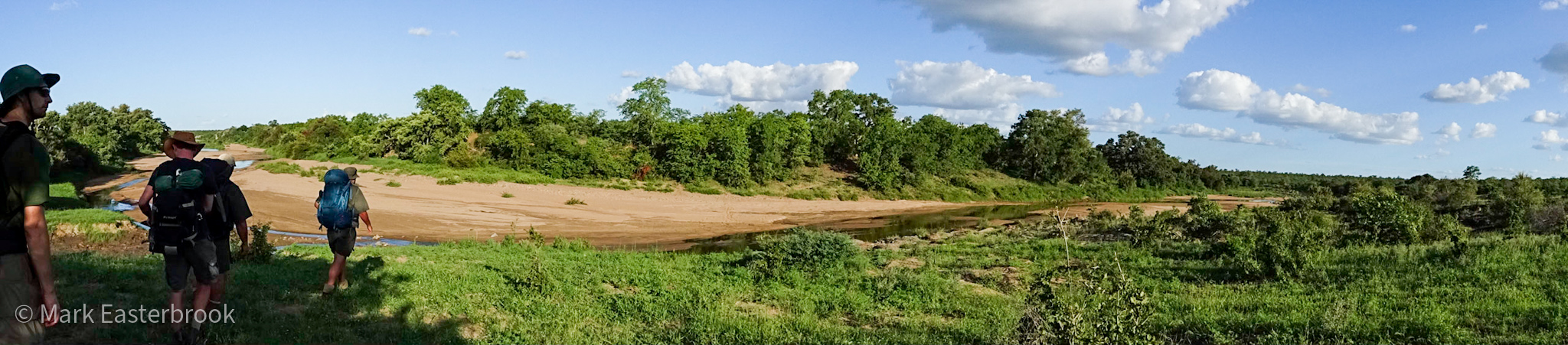
It has always been a goal of mine to walk through and camp in the Kruger National Park. From the time I could walk I’d been visiting this park. My experience in the park had been by driving through it, with short opportunities to experience the bush on foot with organised game walks, and the training in the Level 1 FGASA Tour Guide course that I did at Nzikazi, just near Numbi gate, and the Cheetah Conservation program with GVI Limpopo on the outskirts of Hoedspruit.
Lonely Bull Trail. Lonely Bull terminology used for a male elephant, linking visions of the large home range of elephants in this large wilderness area. The Lonely Bull trail winds through the Lonely Bull Wilderness, zoned as a wilderness area according to 2006 Conservation Development Framework (CDF).
In March of 2018 my high school in South Africa arranged our 20 year school reunion. The school also had an entry in to the ‘Don’t rock the boat’ race up at my schoolboy rowing course of Roodeplaat, just outside Pretoria. As I had not rowed down the Alan Francis rowing course in some 20 years, a trip to South Africa was definitely required and the two events on consecutive weekends meant it was a very good opportunity to get across from Brunei for a week and a half away.
I was itching to get back to the Kruger National Park following the inspiring experience with cheetah monitoring the year before.
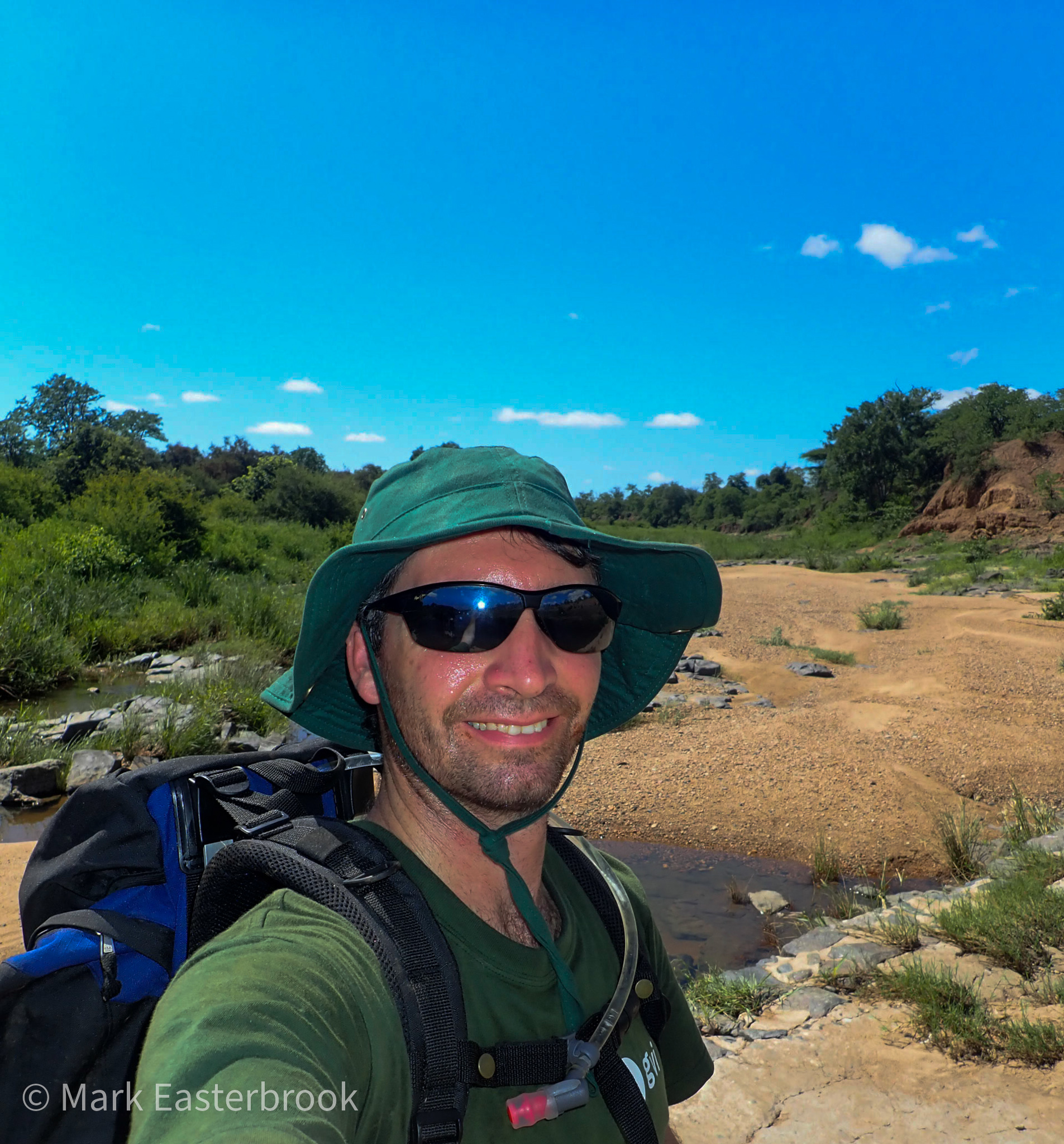
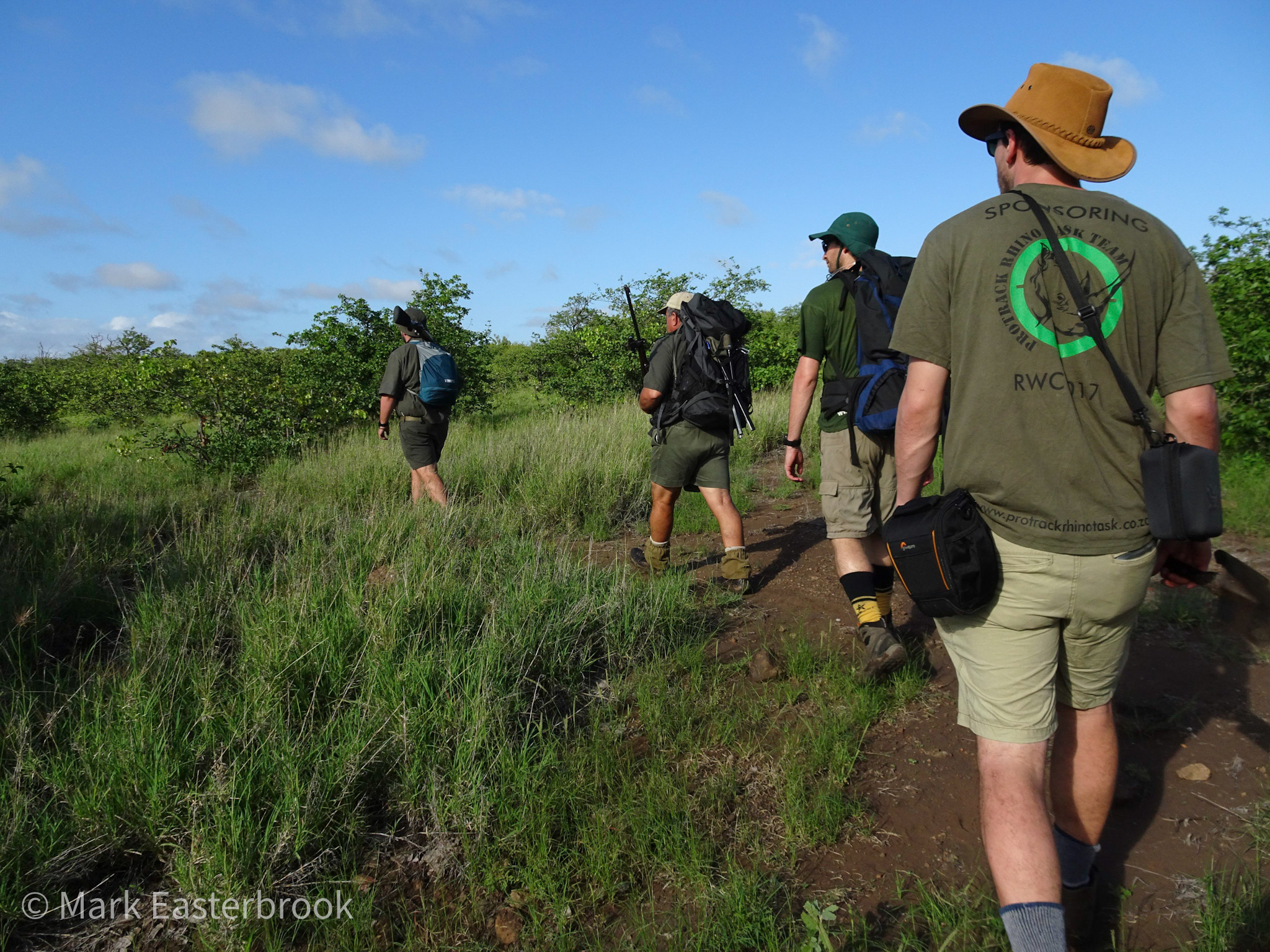
I had managed to find a place on the Lonely Bull Trail, a guided walking loop in the Mopane area of the KNP some 8 months earlier. Run by SANParks (SA National Parks). At the time I was the only person signed up and took assurance from the coordinator that a minimum number would be found. About a week before travelling I phoned the coordinator to confirm the hike and they informed me I was the only one registered and it would most likely be cancelled. As I had already made my arrangements, and really wanted to do the hike, it was more cost effective to pay for the remaining three spots and ensure that the hike would go ahead. I put the message around Facebook that there were three spaces on this hike available, and my buddy Will in the UK, who I had worked with at the GVI Limpopo program was able to get time off of his work in the UK and fly down to attend. We found Sam, who was an intern with GVI at the time, who was also keen to join and the three of us made our plans to hike.
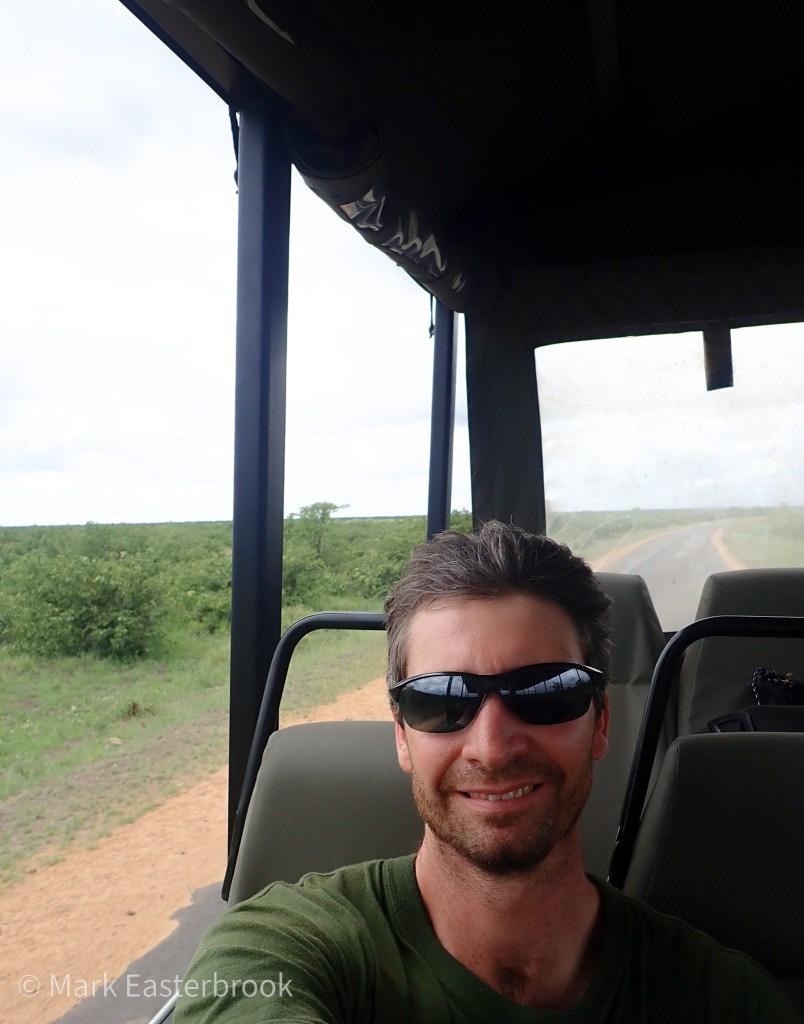
On arrival in Johannesburg, my bags had not transferred from the Royal Brunei jet to Singapore Airlines so all my hiking gear was still in South East Asia. With just my hand carry I made my way to my friends house for a night. The following day I flew to Hoedspruit with no gear and headed straight to the outdoor shop. Then it was off to the GVI Limpopo base camp to spend a night and enjoy a game drive. Will arrived in the evening and I had met Sam earlier. The following day we set off for the KNP, heading to the Mopani rest camp.
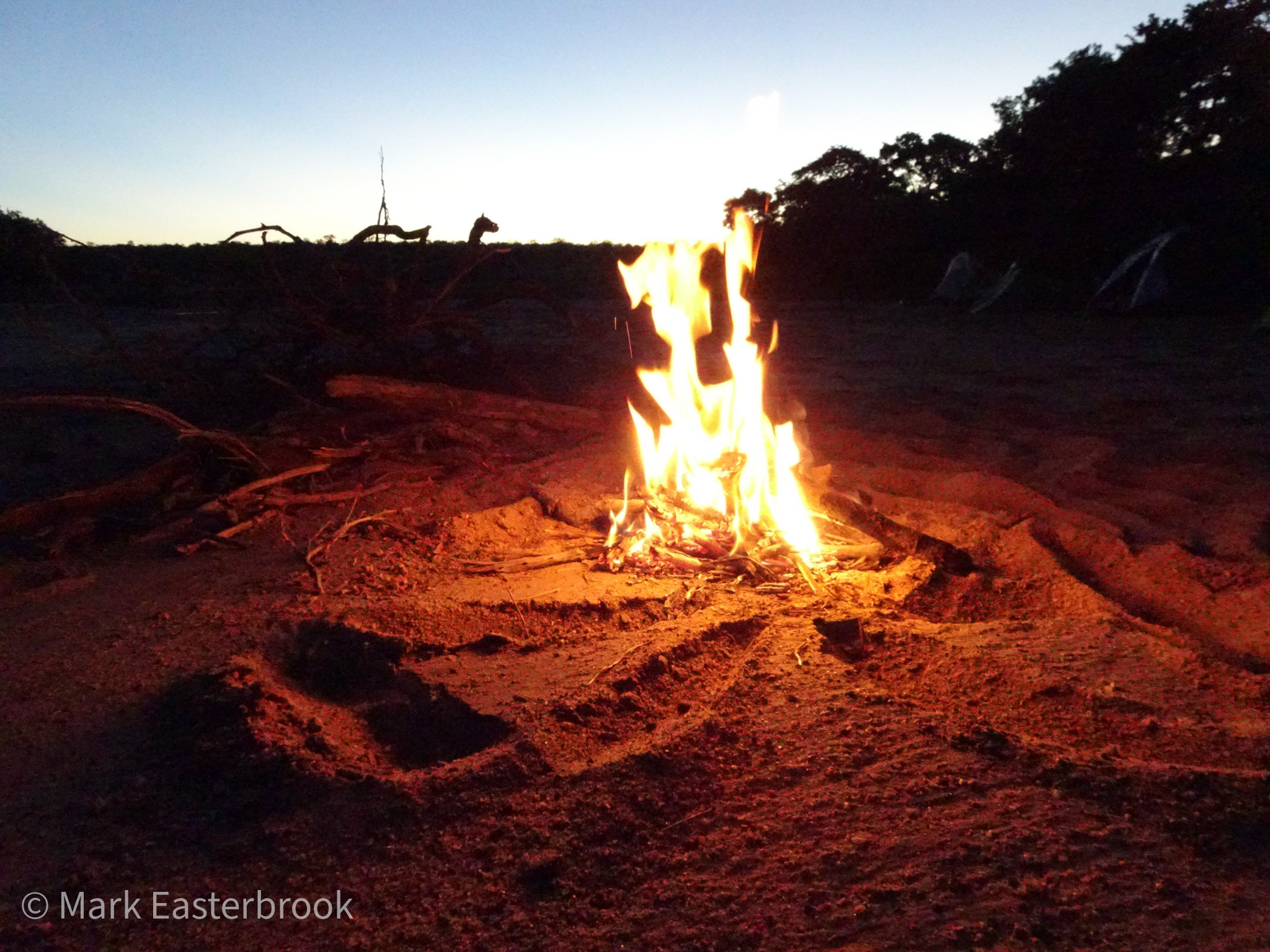
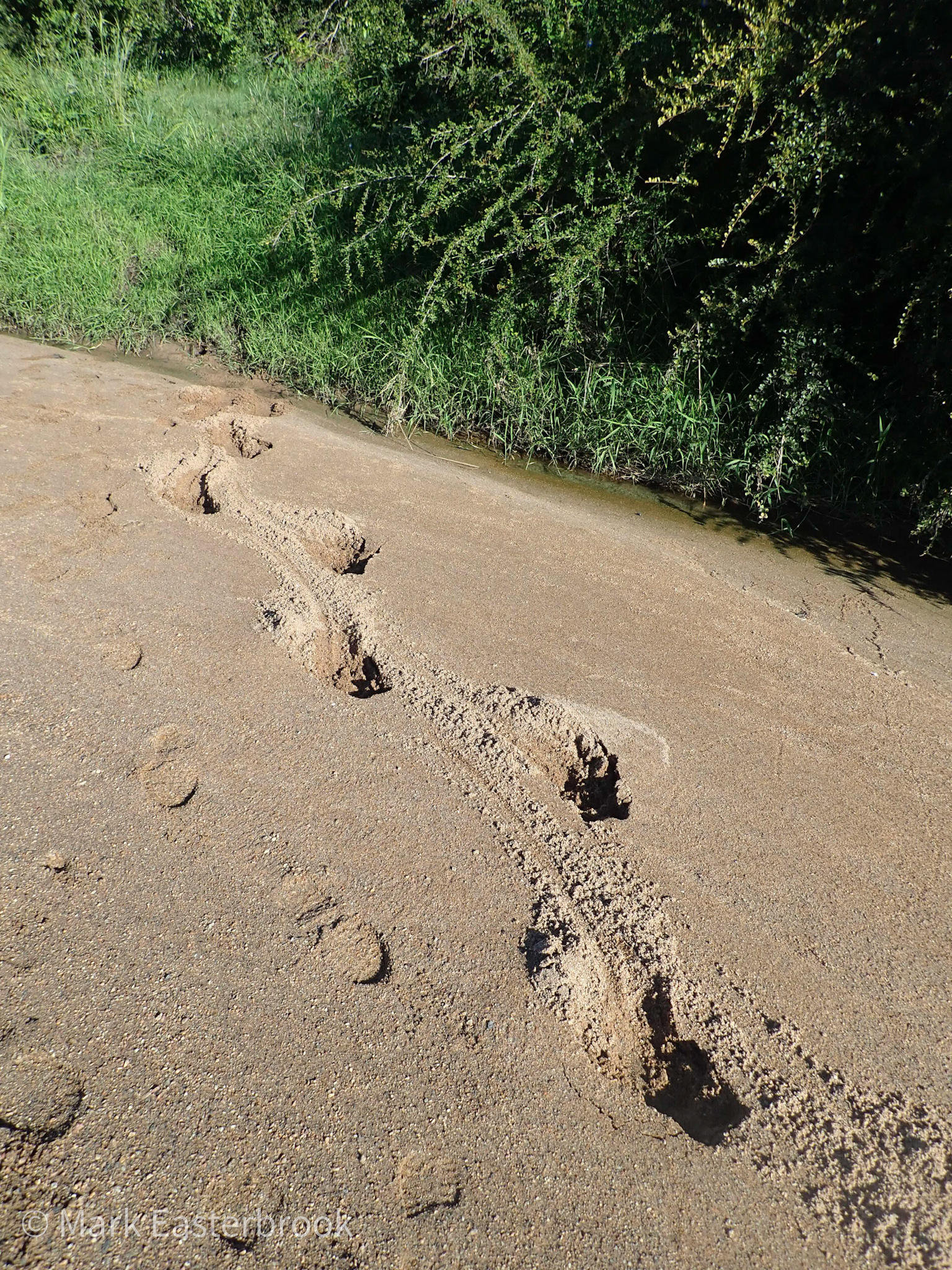
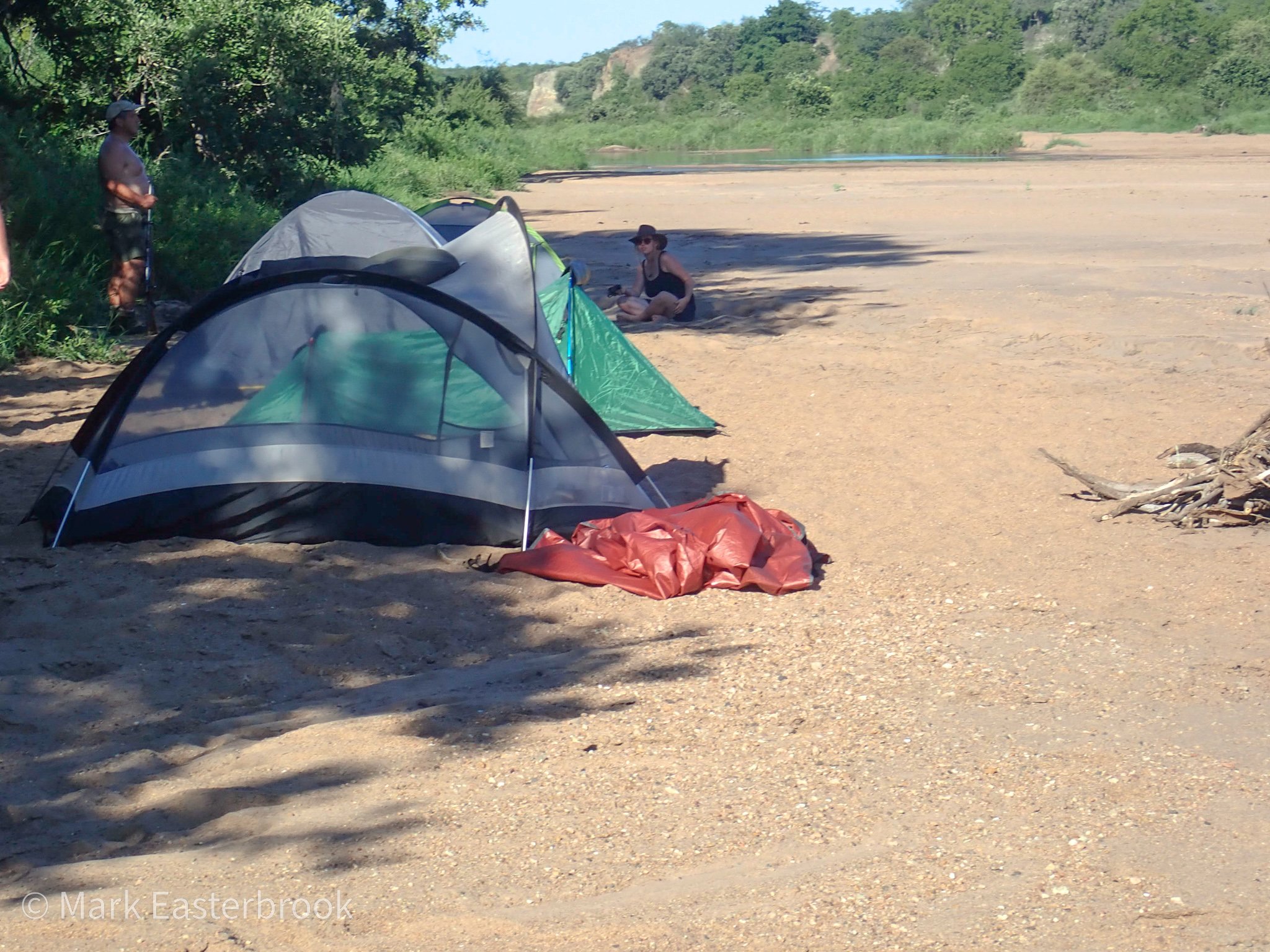
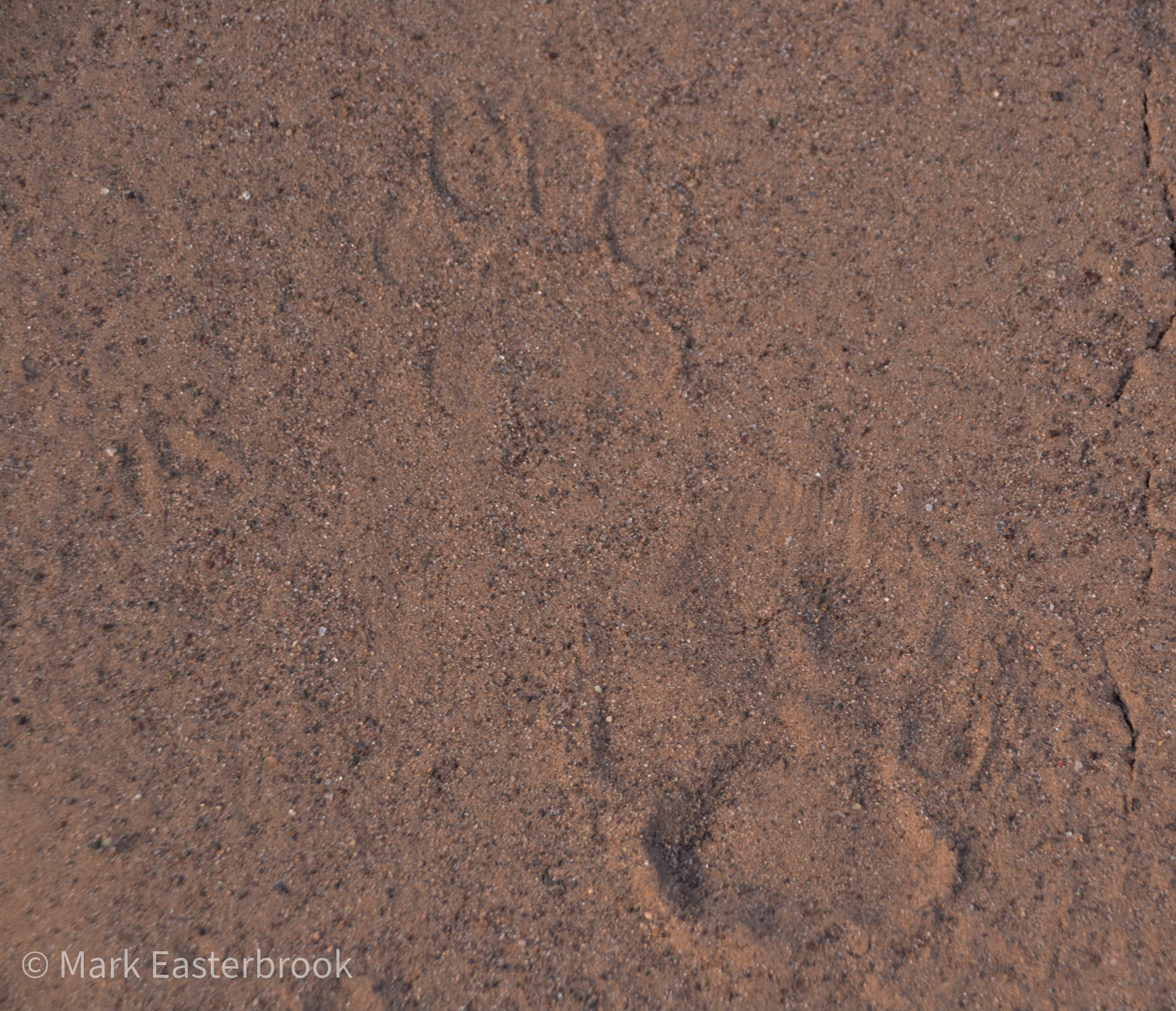
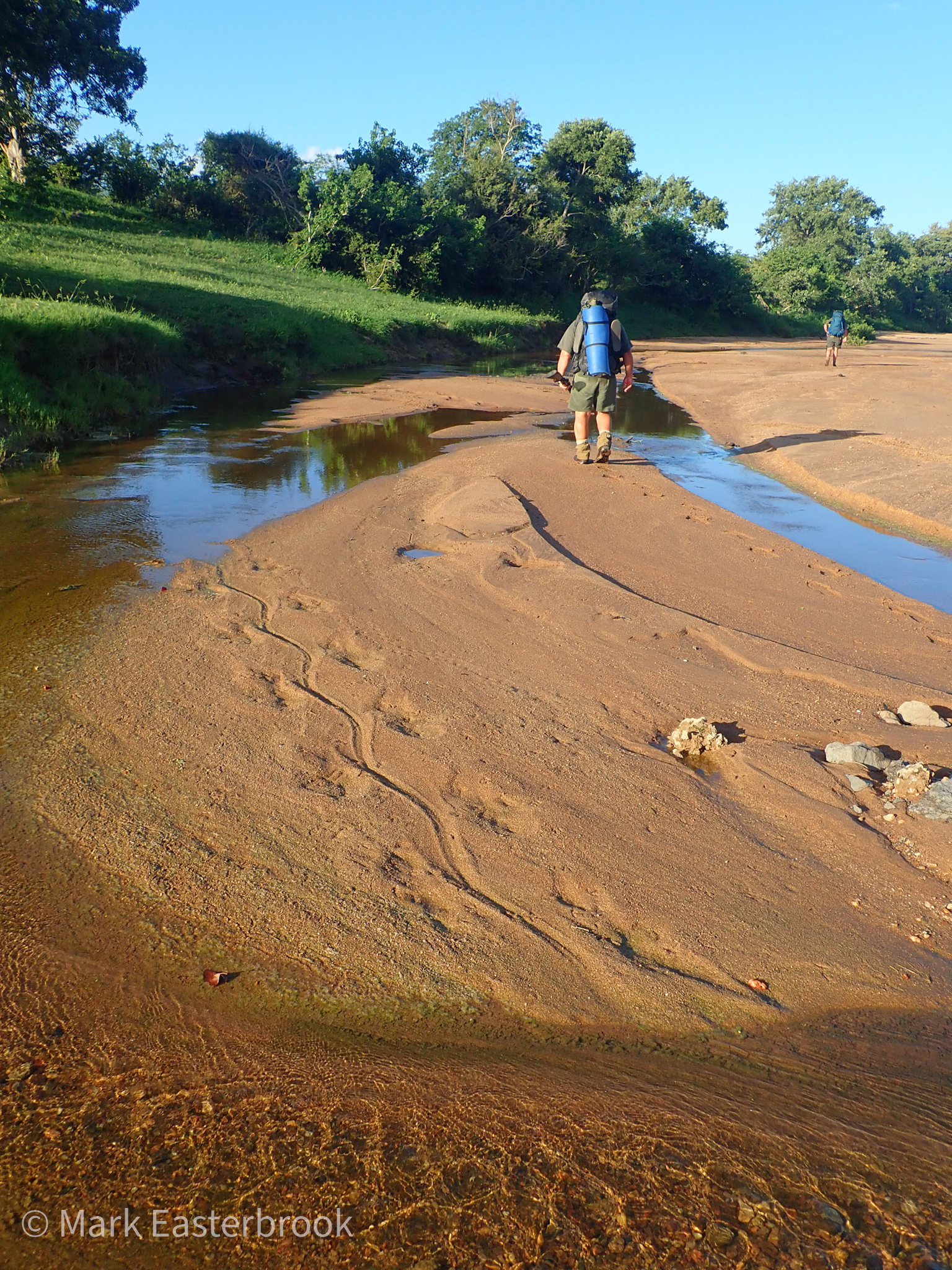
Falling asleep in the tent at night was fun. Lions could be heard roaring in the far-distance. When we woke up we could see the trails of crocodile and hippo where they had walked along the water source. Enjoying the fire and the star show at night was very special.
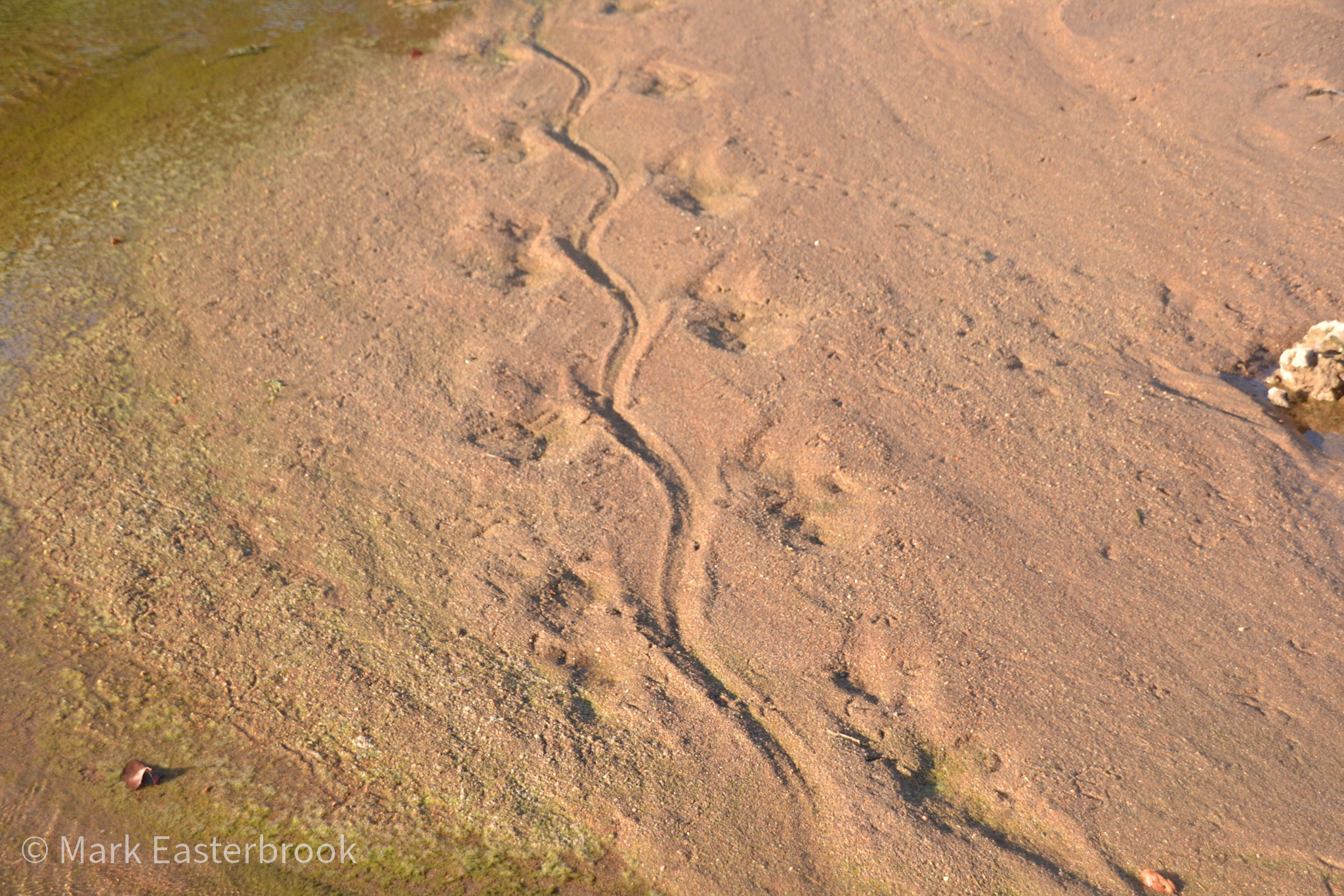
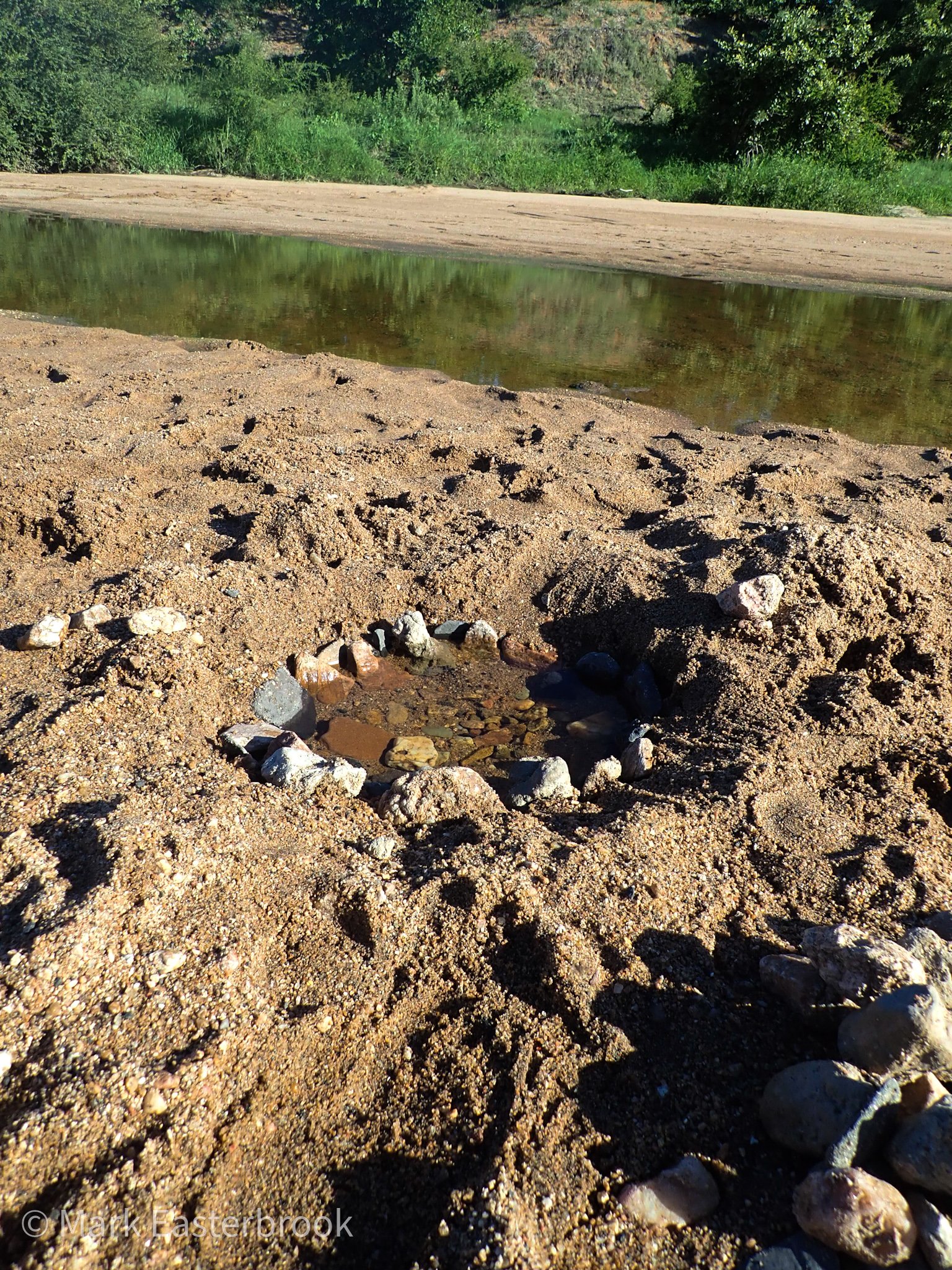
We would get our water from the watertable beside the river. As an elephant would do to get clean water, a hole was dug about a meter away from the flowing river. As per the hydrologic cycle water would flow through the sand to our drinking hole and the sand would act as a filter. The water was very clean and tasty.
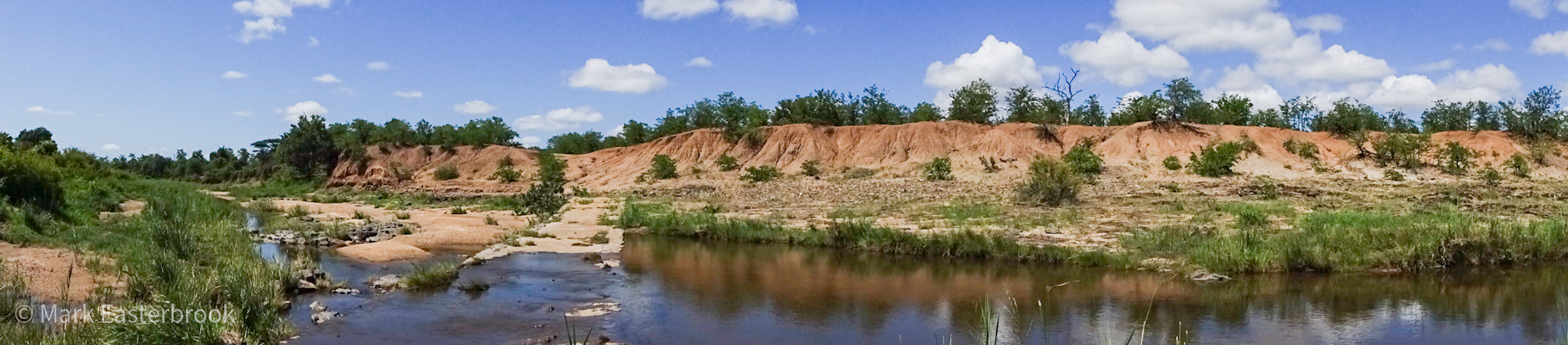
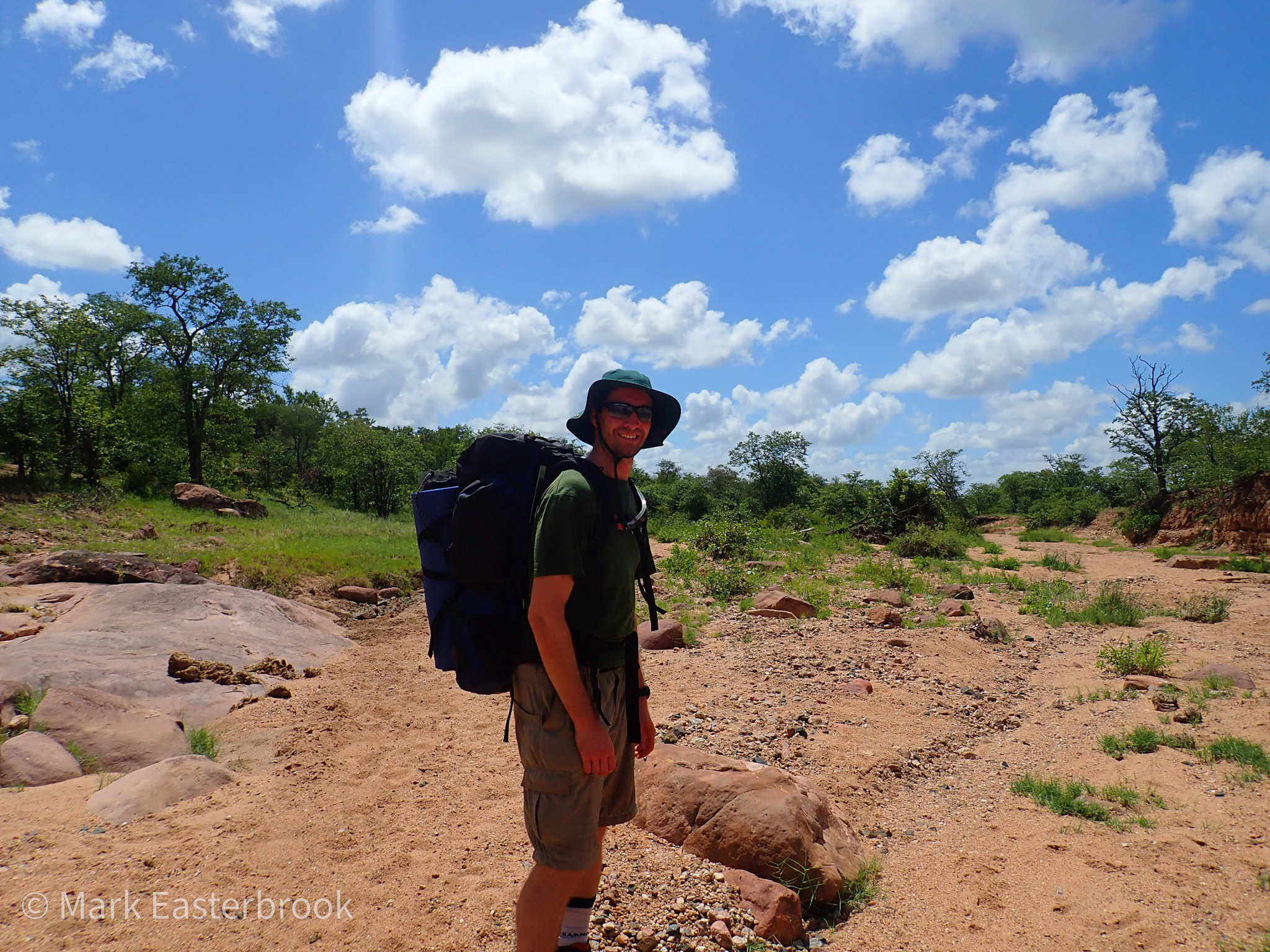
It had been raining heavily in the region over the last few weeks and the vegetation was lush. The guides had indicated that animal sightings would be less as the rain had opened up areas in the interior away from the rivers. These walks usually follow the rivers, and in dry times the animals would be concentrating near water.
The Kruger National Park learned their lesson with increasing animal populations out of ecosystem balance by drilling water holes in the dry areas of the park. This increased elephant populations in the park past the areas carrying capacity.
My goal was to walk along the Letaba River, as I have many memories of sightings along the river from the road, and was keen to see what life was like along the banks away from the road. We didn’t make it to the Letaba, the five night trip was apparently where this route is walked.
 Ecosystem Hotspots