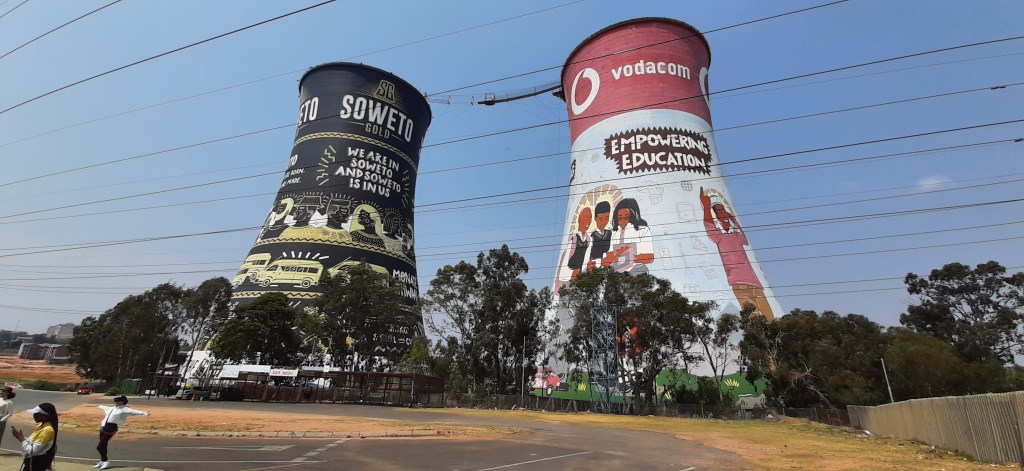
Era of Neglect
At 2000 metres above sea level, Johannesburg is an unusual city. It is not close to a regular and natural fresh water supply and was initially not on a major transport route. The discovery of gold put it on the map. Its here because of gold. Gold was the economic driver that built the city through the 1900’s.
Just as Dubai did with oil, so Johannesburg has used the income from gold to develop a robust industrial sector. As gold mined volumes dropped, the city has set itself up to manage the transition from minerals to other industries and still draw an income.
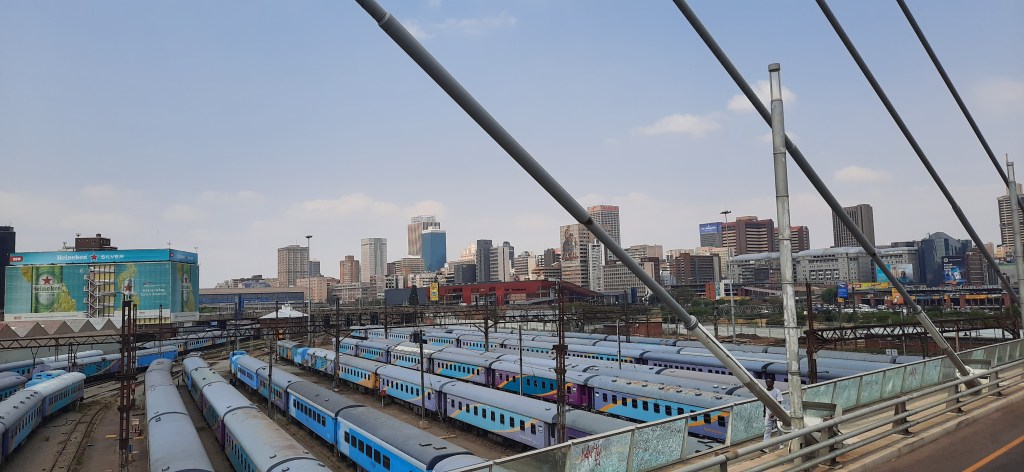
Before the 20th century, gold needed the power of people to extract it from the various underground shafts (some down to 4000m). In modern times, industry needs the electricity to drive the machinary that make Johannesburg the powerhouse of Africa, and South Africa’s economic capital.
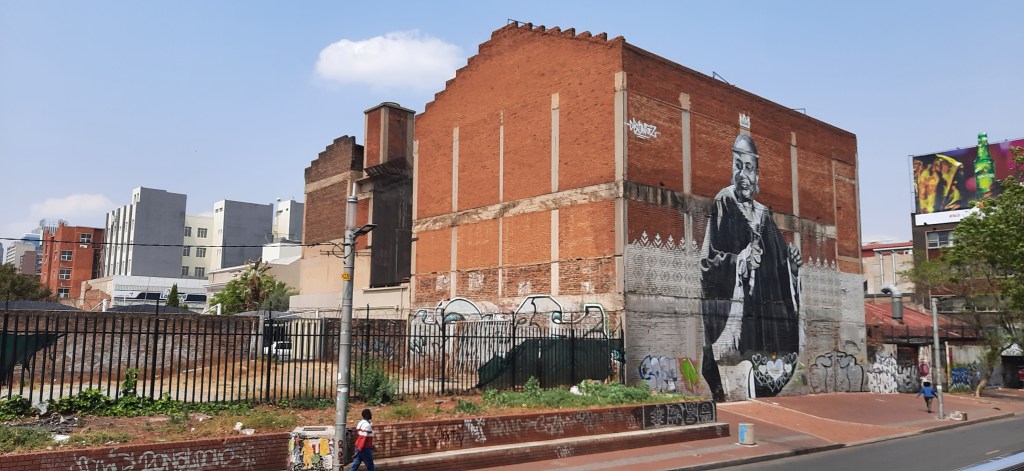
Each phase of Johannesburg’s life since 1880 has had its highs and its lows. In its quest for economic development it has seen the excitement of the gold rush, the cruel apartheid period and now the unfortunate era of neglect.
Before 1880 the location of Johannesburg was rather non-descript. The local tribes were living somewhat the same way as they had for centuries. The British had not yet identified it as a place to fight for. The Boers were only just settling in to the area, having completed their Great Trek from the Cape.
The relative peace was shattered when in 1886 the Australian gold prospector George Harrison shouted out Eureka! A gold rush was triggered and many subsequent battles for wealth, position, and traditional values followed.
The British felt the land was worth fighting for, the Boers felt it was worth defending, and the local tribes felt it was worth watching.
By the early 1900’s the British had won the second Boer war and large-scale industry was moving into Johannesburg. A constitutional monarchy was established and the Union of South Africa had been setup, reporting into the British Commonwealth system. The traditional owners were still living the subsistence communal life, remembering how they held off British and Boer advancements in several key battles in earlier centuries.
With the British in power, the enormous gold wealth under Johannesburg was exploited on a large scale. But the predominantly white miner base was unable to provide sufficient labour to extract the valuable gold product from large volumes of low-grade ore.
Introducing the concept of work to traditional owner groups is a fascinating topic. One I am exploring with the Aboriginal groups I interact with in Australia.
Somehow South Africa’s government of the day was able to encourage black men to leave their family and community groups in the homelands and move to the city in search of money, without much coercion.
The earlier missionaries goal of using the bible to educate locals to fit into colonial ways of working had proven successful to drive an economy.
The prospect of financial reward encouraged traditional owners to leave their culture and way of life and move in to the new world, to work.
This significant period drained the homelands of able-bodied men. The women and older folk valiantly defended against cultural decay, but following several famines through the early part of the 20th century, the sun had started to set on the traditional subsistence life of South Africa’s indigenous peoples.
To manage the influx of people to Johannesburg, mine managers would house the indigenous peoples in hostels. These were cramped and inhuman conditions. One could argue that these peoples were used to living close to others, with minimal services, as they had done for centuries before.
But without women as the guiding force, keeping their men on the right path and managing conflict, it is easy to see how these hostels began to erode traditional values.
White miners began struggling to keep their heads above water in this new competitive city community structure. The DF Malan government of 1948 felt the solution to address this issue lay in an interesting interpretation of the bible.
The Boer culture has its roots in Calvinist Protestant beliefs. Somehow the bible had been interpreted at a legislative level to read that black and white people were different. What manifested itself was a religious validation for separating people on the grounds of colour.
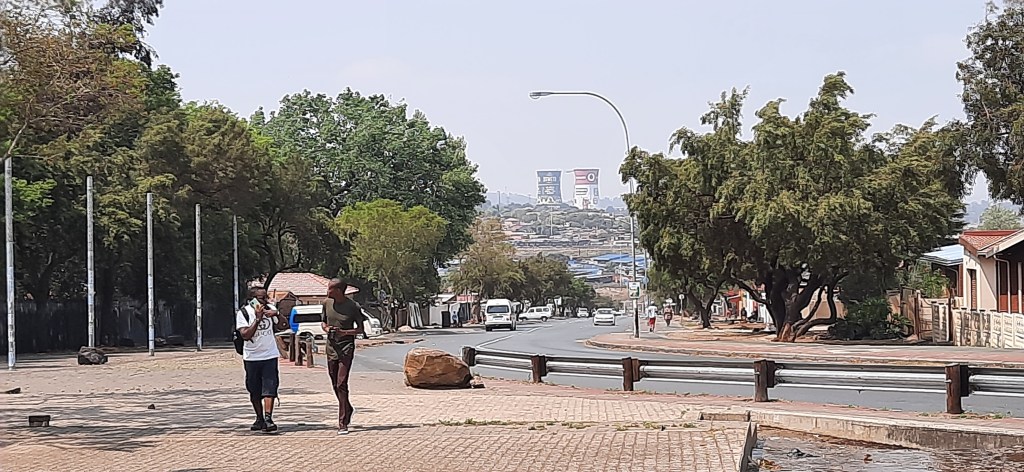
This approach elevated the white workers above the black and coloured. The structures to enable and maintain this segregation had been built through the 1930’s.
Despite steer from the international community that this approach was not just, these principles were enshrined in to law in 1948 when Malan’s National Party took power. South Africa soon left the Commonwealth, as the British did not openly support this form of governance. What followed was a period of cruel racial segregation, but also a period of strong economic development.
All taking place in the exciting city of Johannesburg.
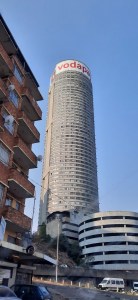
As a lucky white expatriate British boy living in Johannesburg though its centennial decade, life was great. We enjoyed the nature reserves, rowed often at Roodeplaat Dam, enjoyed a quality education, and had cost effective domestic help in the house. We saw the end of Apartheid in 1994, and celebrated a country with great hopes for the future.
We had power cuts during my childhood, but you couldn’t set your watch to them. Power cuts were mainly the result of lightening from the dramatic Highveld thunderstorms.
Returning to Johannesburg in 2023 I am very conscious of the time of day. Load Shedding (planned power outages) mean I need to manage my activities around the availability of power.
Whilst camping at Roodeplaat Dam, during the World Masters Rowing Regatta, load shedding wasn’t really an issue. Even without a head torch, there is sufficient light from the moon to manage any night time wanderings.
As a rower, I am normally in bed soon after the sun goes down, and awake when it comes up. Like a subsistence traditional owner of a bygone era, my life is very much aligned with the movement of the sun.
However, when I come back to the real world and need to be productive, by working and earning money, stable electrical power is rather important.
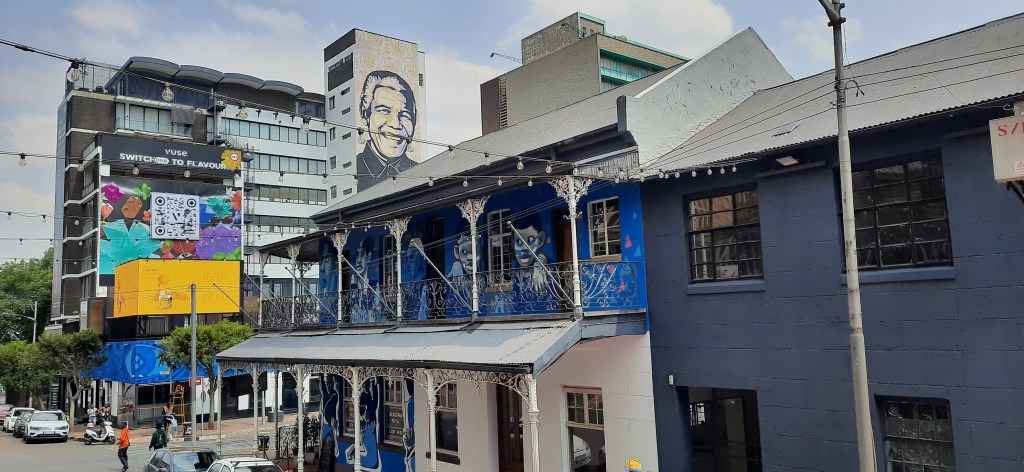
The tour guides say gold is no longer the primary economy of Johannesburg, it is now industry. Industry needs electrical power and Johannesburg doesn’t seem to have enough of it. Promises made during ANC political rallies are not being kept. The lack of maintenance expenditure on the electrical systems was visible decades ago.
Reflecting on Johannesburg almost 30 years since the end of apartheid, whatever funds were ear-marked for the power infrastructure have clearly gone elsewhere. Into a fire-pond swimming pool in a presidential house in Kwa-Zulu Natal, is one example.
The burning of rubbish in the streets of Hillbrow, Johannesburg’s once most happening suburb, is reminiscent of rural south east Asia rather than a first world city. The lack of provision of basic services is likely going to turn Johannesburg to a messy city like Kuala Lumpur rather than a clean Dubai.
The era of neglect is well established now. There still seems to be the goal in the city to maintain itself as the economic powerhouse of Africa, but it appears to be returning its peoples to a pre-1880 style of traditional living.
I will never defend Apartheid, but neither can I see this Era of Neglect in the New South Africa as good for Johannesburg and its society.
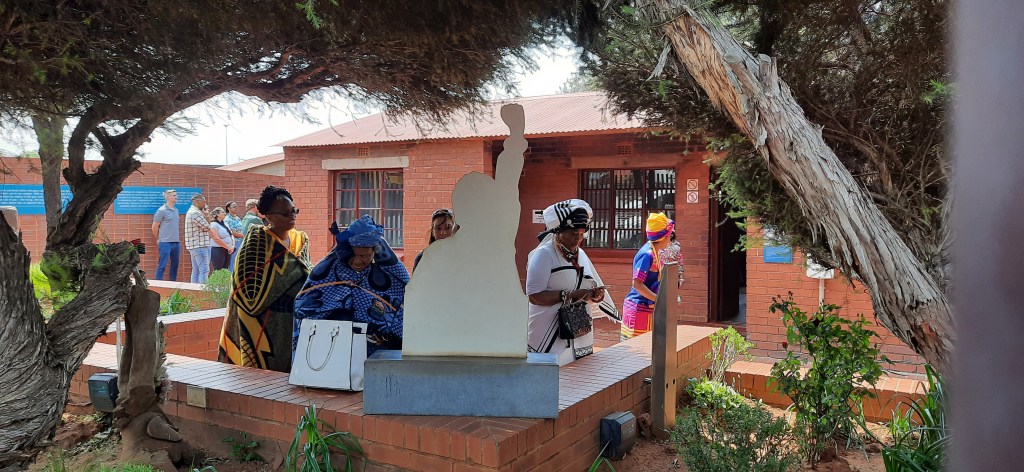

Mark Easterbrook is a freelance travel writer although much preferring the surroundings of the Swan River in Perth, Australia, whilst rowing a boat than the hustle and bustle of airports nowadays. He had a go at looking at the Oil and Gas industry through the eyes of an Environmental Advisor and has been somewhat jaded by the views of both industry and government on the actual environmental impact of the Net Zero Carbon Emissions strategy. He is now looking for his next adventure, somewhere close to home.
 Ecosystem Hotspots