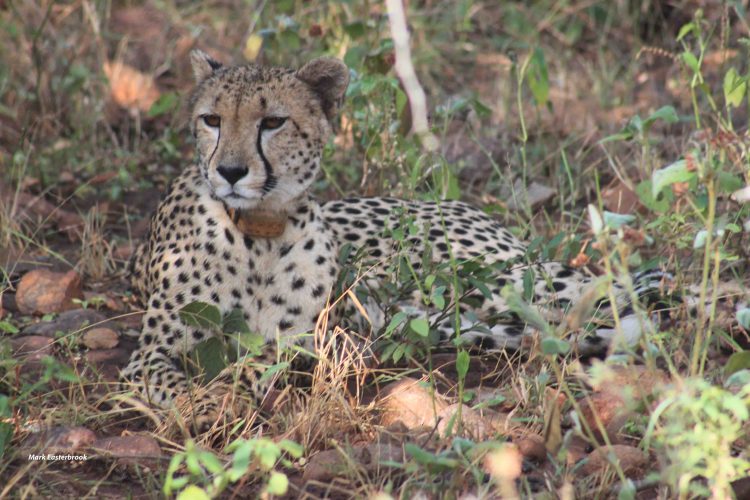
This story is set on the Karongwe Nature Reserve in South Africa’s Limpopo region. Near the town of Hoedspruit. This private game reserve is far enough away from the Kruger Park to not be affected by Tsetse Fly. To which the buffalo in particular are thankful.
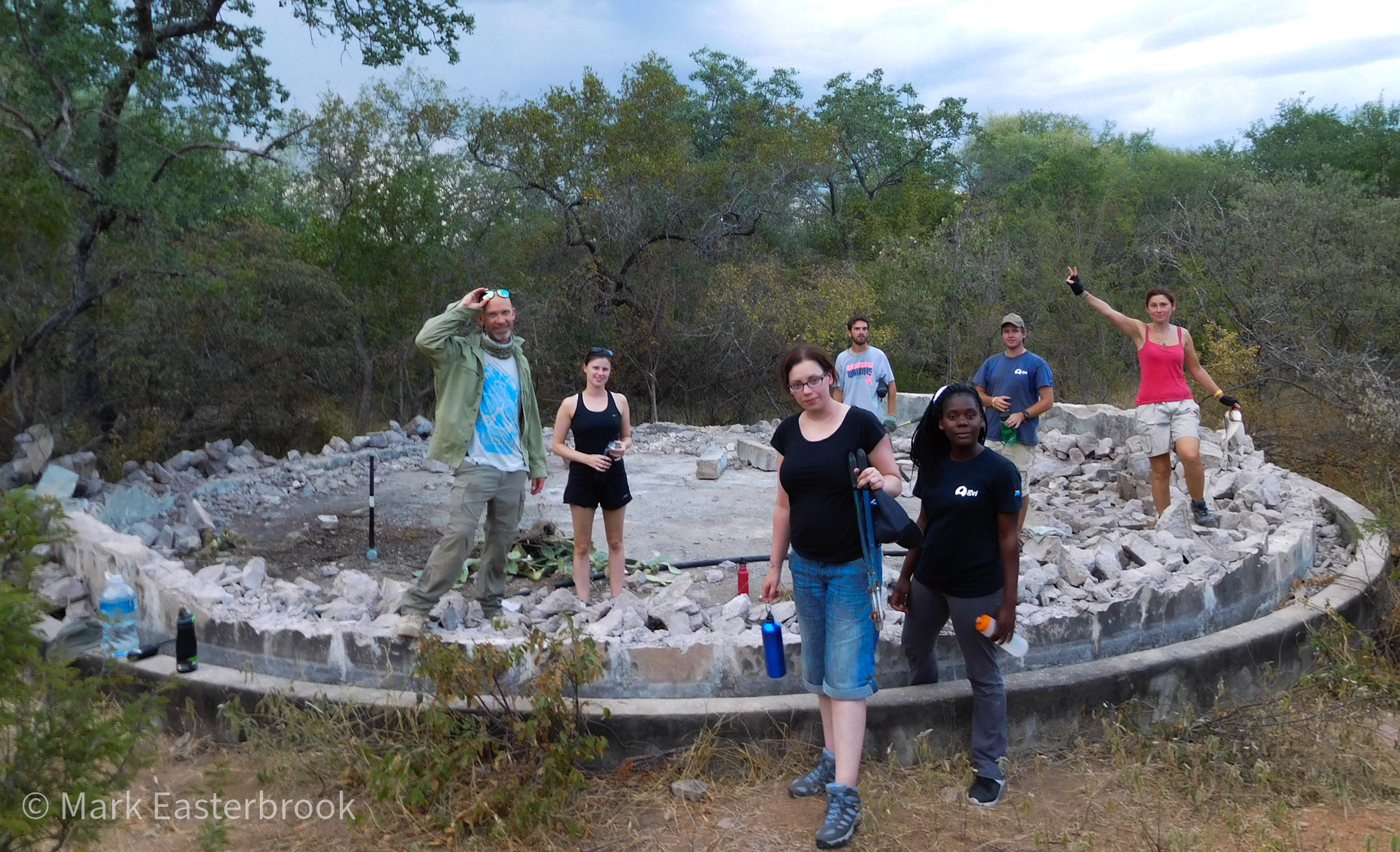
In April 2017, I was a participant on the GVI Limpopo Cheetah Conservation Research Project in the Mpumalanga region of South Africa. The program aimed to gather data on cheetah behaviour to develop strategies for their effective reintroduction into rehabilitated reserves.
Today this region presents a fascinating alignment between rancher and environmentalist on land-use policy. But this has not always been the case. In the ‘pre-modern’, ‘frontier’ and ‘nationalised wildlife’ economic periods of the region, it was a cattle ranching area. In a captivating period of regional and international history, 1980-2000, the region transitioned into what the literature calls a ‘sustainable use approach’.
The droughts of the late 80’s and early 90’s meant dryland cattle farming was a liability. The ‘nationalised wildlife’ economy was becoming too expensive for the government to manage without diversified income streams. International awareness of the indirect values of natural ecosystems to human wellbeing were entering the mainstream, although they had been evolving steadily from the 1900 London Convention. But most importantly the country was undergoing a fundamental transition. Wildlife and Agricultural laws were being updated to reflect the needs of the New South Africa. Tourism was entering its golden age, where cashed up backpackers all the way to business executives could afford the enjoyable colonial wildlife experience.
The scene was set for delivery of a self-sustaining economic model. Land-holders, communities, tourists, fauna and flora could each achieve their minimum goals.
Cattle ranches, struggling to make ends meet in a drought stricken region, began forming co-operatives with neighbouring farms. Fences came down, reserves were restocked with native game animals, and lodges were built.
And the tourists came.
Land-owners began investing in diversifying their wildlife stock, selecting key animals as a drawcard icon. Efforts were placed into learning how animals, reintroduced into former agricultural land, would best survive.
This was an important period for species preservation and habitat rehabilitation. Using the tourist dollar, the landholder was able to adjust their land-use to an approach that (in general) obtained the support of the environmentalists. It also offered an avenue for social benefit to the neighbouring communities who had been displaced from the land in the late 1800’s. It presented, on paper, a model that could appease the negative neighbouring community/national park relationship of the past.
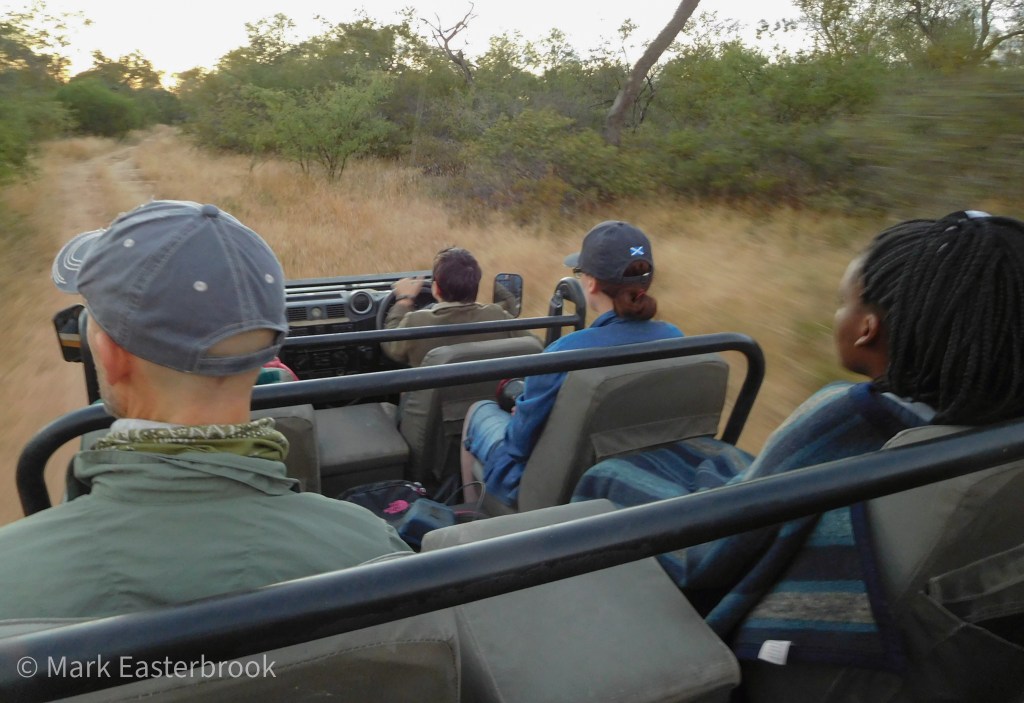
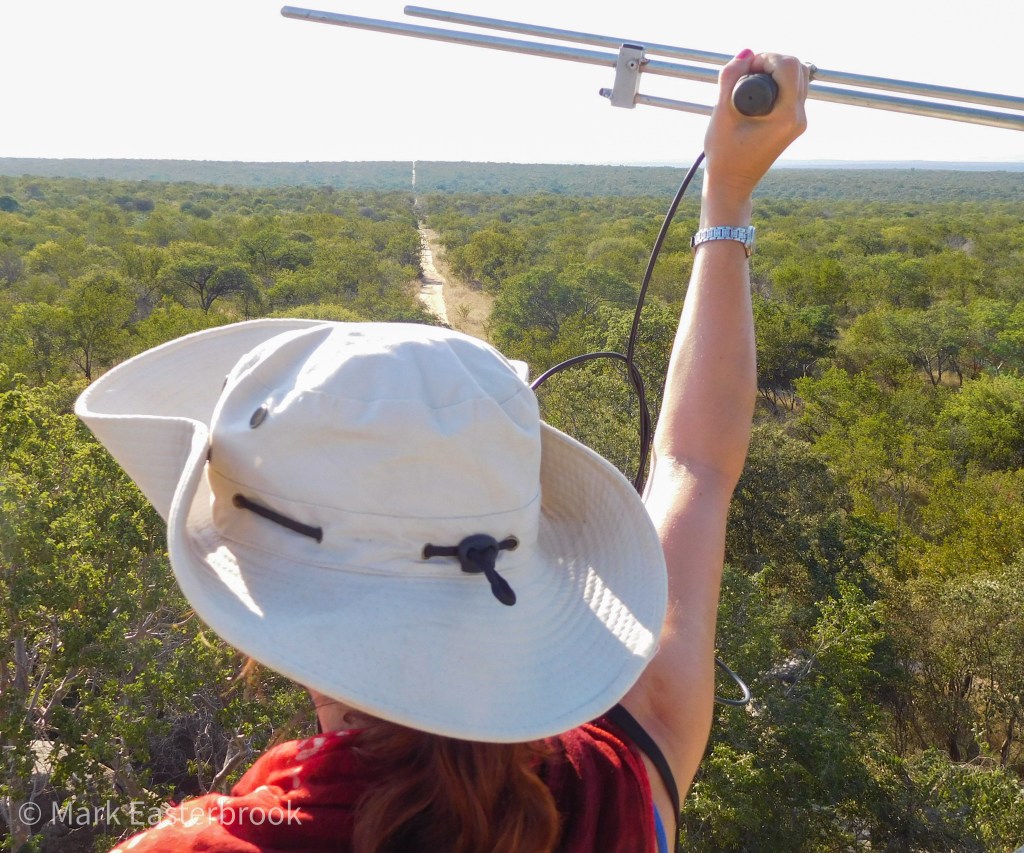
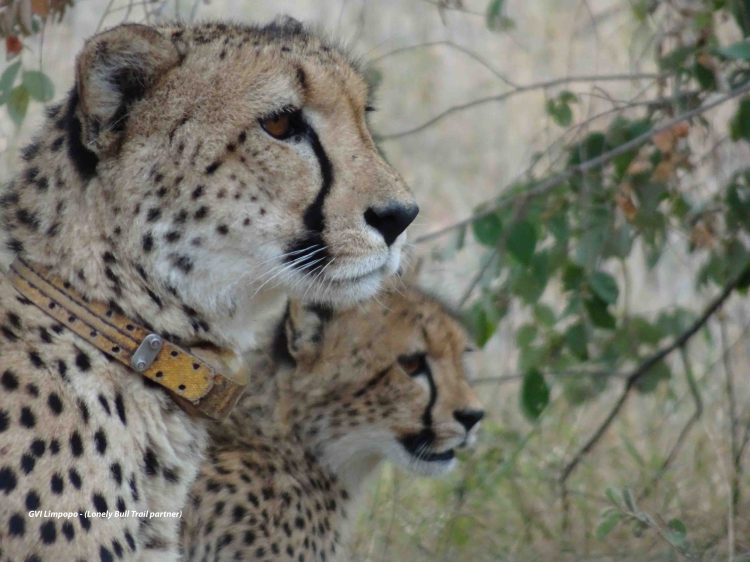
Karongwe had chosen the Cheetah as its drawcard animal. A good choice, as it is my favourite animal (not that one should have favourites). Our job was to track our female cheetah, affectionately named Kwesi, and gather data. This meant morning and evening game drives in the gorgeous South African Lowveld. We would observe how she was hunting, eating, and behaving. We also observed the introduction of three male cheetah into the area.
I can only speak for myself and say that the work being done at Karongwe is inspiring and of great value. Here paying tourists were providing the income stream to enable a female cheetah to have cubs. For an animal that requires 1000 unique animals to ensure a stable genetic code, with only 7000 left in the world, any cub is of great value.
But just having a cub is not the end of the story. Ensuring it can survive through to its breeding opportunity is the big win. Although I did not get to see Kwesi’s cubs, it was good to know an economic model is working to enable its birth.
No economic model is robust against all risks. And COVID-19 has shattered this model in South Africa. Once the tourists cannot come, the income dries up. With reduced income, less funds are available to operate the system. My fingers are tightly crossed that tourists return, or unique income generation schemes are developed that keep this process operational. It would be such a shame to see a different land-use model being implemented in the area, forced by COVID-19.
Mark Easterbrook is an amateur Environmental Journalist. He is a part-time Engineer, inconsistent student, and full-time proponent of identifying economic models that ensure financial, economic, and environmental sustainability. He spends way too much time rowing, agonising over the rapid transition away from the use of natural gas, and trying to piece together the meaning behind the experiences he has had in 39 countries.
 Ecosystem Hotspots