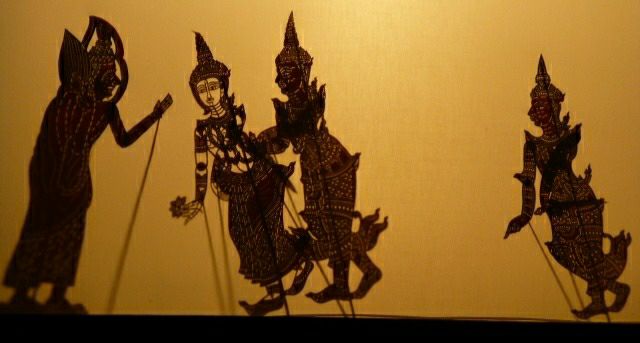
With a history dating back to at least AD 802, two weeks in Cambodia just didn’t seem like long enough. With so much to do under one sky, transcending generations of fascination. All that is needed is a loose plan, taking in Phnom Peng to Siem Reip to Sihanoukville. Buckle up for captivating cultural journeys, an insight to the impact of destructive politics, and mystic temples, at break-neck speeds. With time at the end for a warm beach relax,
What hits you first is the noise of the hustle. Taxi drivers touting for business, urging you into their tuk-tuk. Not much more than a trailer bound to a motorcycle, the first jolt of acceleration is rather exhilarating. The push for position on the main road conjures up images of sailboats accelerating towards the first corner of a race. To settle the nerves, Bruce Springsteen’s ‘Born to Run’ provides a calming introduction to Phnom Peng. Bruce puts it so well in his sentiment to strap your hand across the engine and enjoy the highway jammed with broken heroes on a last chance power-drive. With suicide machines darting erratically around us, the noise and smells of the markets, tuk-tuk and throngs of people, are rather addictive.
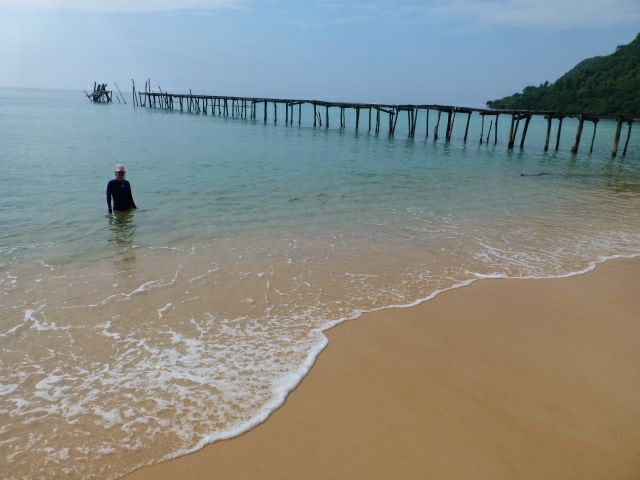
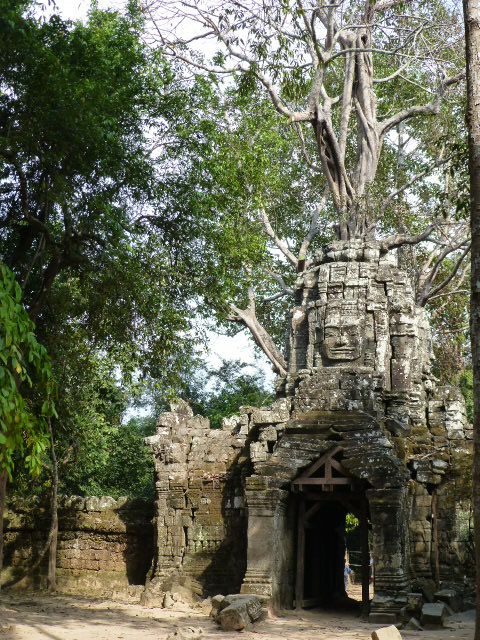
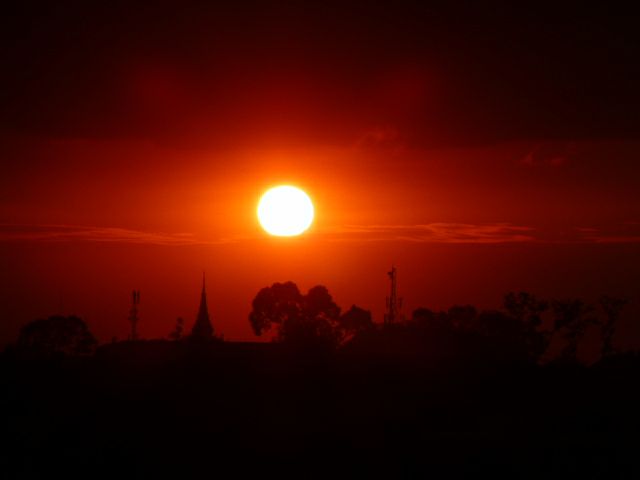
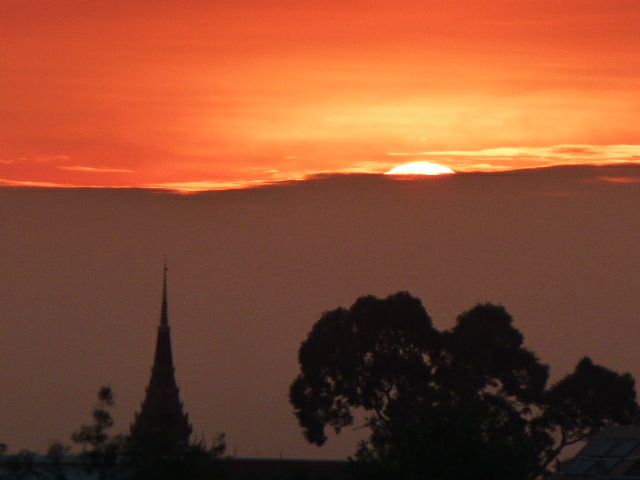
Any good holiday story should start at the beginning. But in Cambodia, knowing where the beginning is proved challenging. We started at the Killing Fields, then moved to the infamous secondary school turned Khmer Rouge prison, before venturing to Angkor Watt with its window into the Angkor Empire at its height. This story starts at the Royal Palace, then dissolves away romantically to Angkor Watt, before returning rather abruptly to the Killing Fields. To settle the nerves, a relaxing beach scene is included.

The Royal Palace moved to Phom Peng in the 19th century. Four centuries earlier, weakened by environmental problems resulting from an ecological imbalance at its capital, the Angkor Empire began its decline with its move away from Angkor Watt.

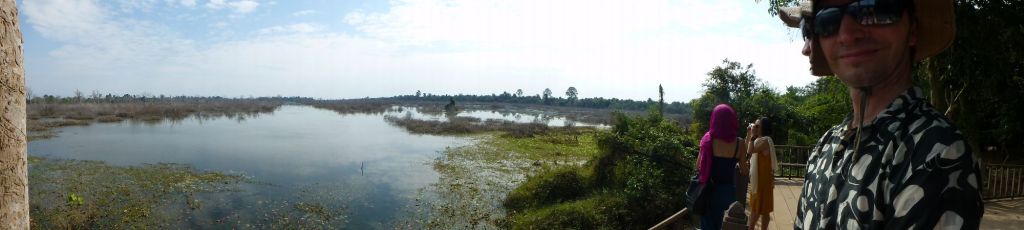
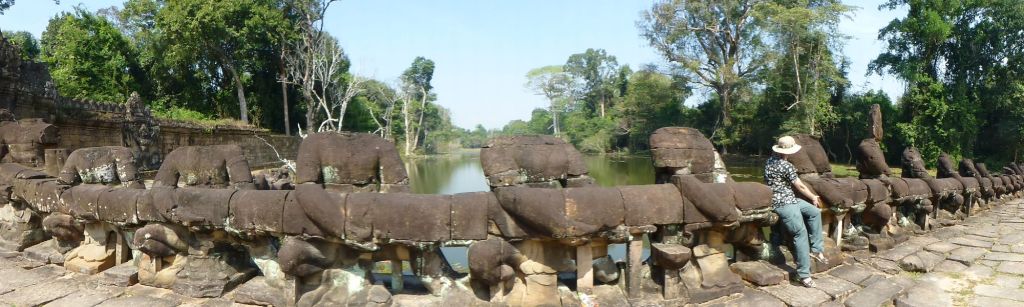
The Empires’ fascinating manipulation of water sources during its heyday created the basis for a strong and prosperous realm.
Khmer Empire, Hindu, Buddhist, dependence on water, loss of water and loss of civilization. engineered water systems that allowed them to adapt to their environment. Angkor referred to as the worlds first mega city and a hydraulic city. describe the engineering structures.
.
Angkor to Khmer through a turbulent contemporary period aspiring to return to the perceived idealism of a lost culture.
Philosophy of Khmer Rouge – ‘devalue individualism in favor of communal living and economy. Cambodian society under the Khmer Rouge was divided into the peasant “base people,” who were to be revered, and the urban “new people,” who were to be reeducated or “liquidated.”. Modeled after Mao Zedong’s Great Leap Forward initiative for Communist China, Pol Pot moved to devalue individualism in favor of communal living and economy. Pol Pot believed that communal agriculture was the key to building what he called “a complete communist society without wasting time on the intermediate steps.” Similarly, the Khmer Rouge ideology generally emphasized traditional “common knowledge” over science and technology in advancing its goals for agricultural production.Under its “Four-Year Plan,” the Khmer Rouge demanded that Cambodia’s yearly production of rice increase to at least 3 tons per hectare (100 acres.) Meeting the rice quota forced most people to perform backbreaking fieldwork 12 hours a day without rest or adequate food.(https://www.thoughtco.com/what-was-the-khmer-rouge-195375)
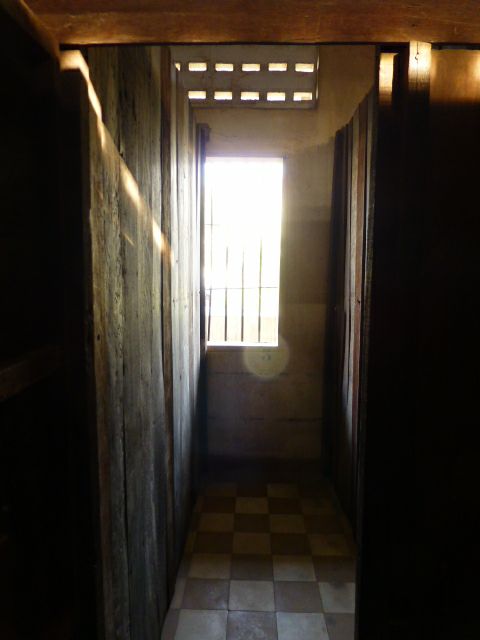
Tuol Sleng, a former secondary school used as Security Prison (S-21) by the Khmer Rouge (1975-1979). (brief description and outline how it made me feel). Walking into a dimly yellow lit room, with a steel bar along both sides of the room. People used to lay there, waiting for their fate. Once it all got too much for them and they finally signed their admission of tortured guilt, the journey to the Killing Fields may have brought feelings of perverse happiness.
Killing Fields – first stop in a macabre and somber was to get to the Killing Fields, (introduce the history and what happened here, and how it made me feel)
The Killing Fields, describe the politics
A lifestyle focused around water.
Journeys across country – tuk-tuk and boats
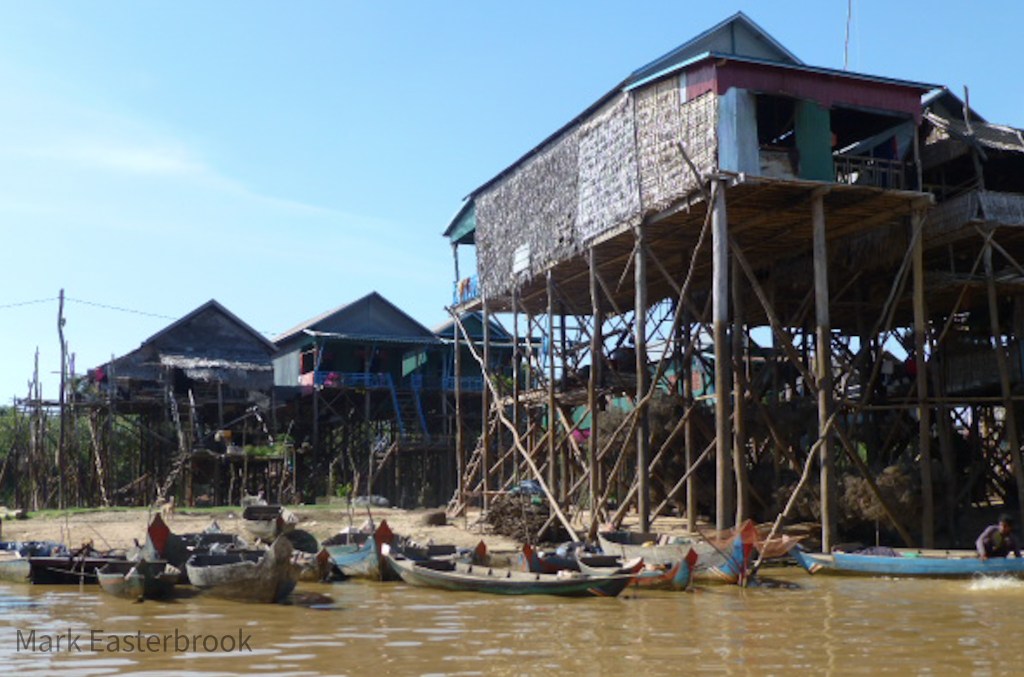
sights and smells, food, people
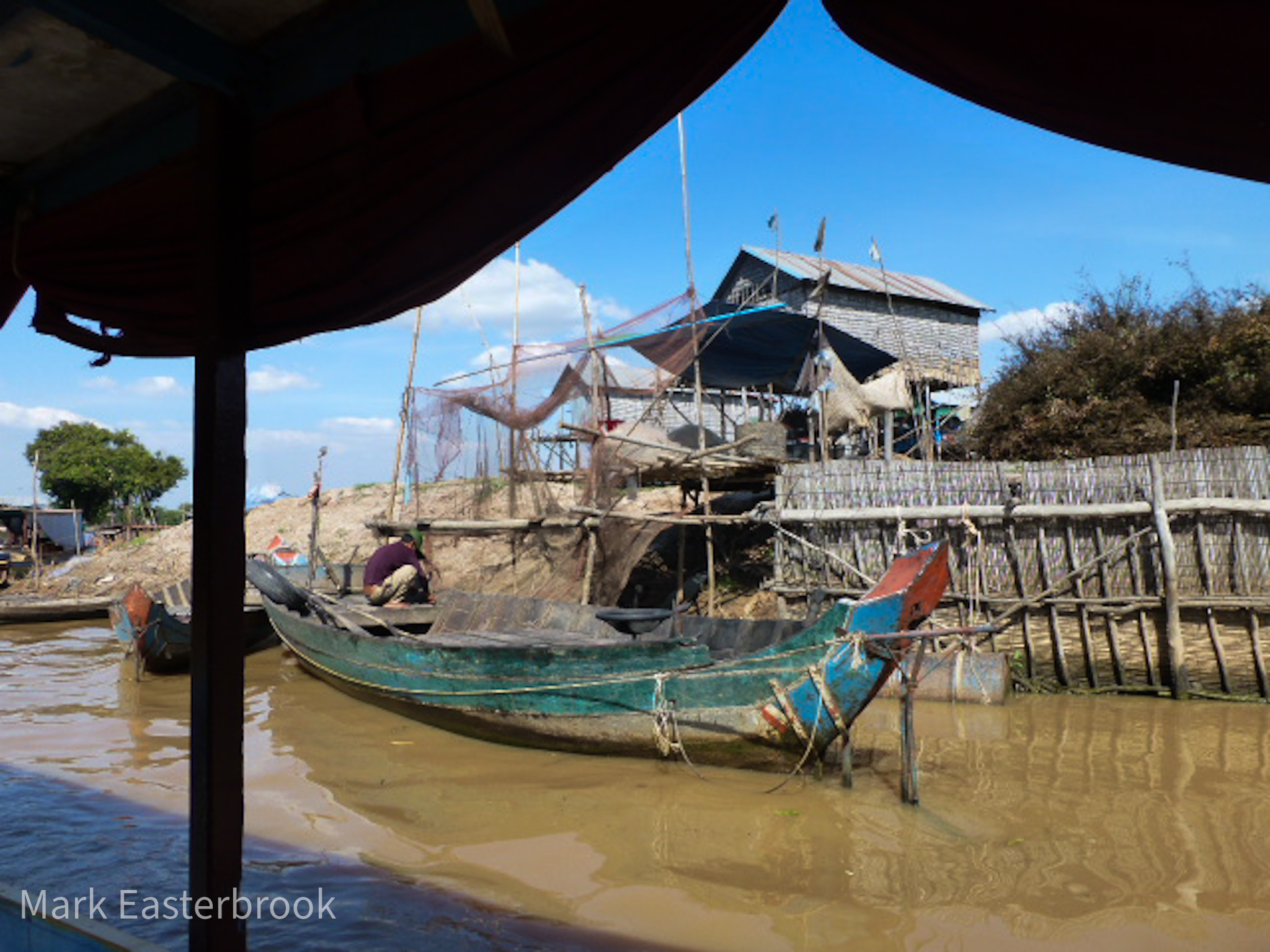
habitat fragmentation, reverse flowing river (Mekong)
a
a
a
a
a
a
a

a

a
a
a
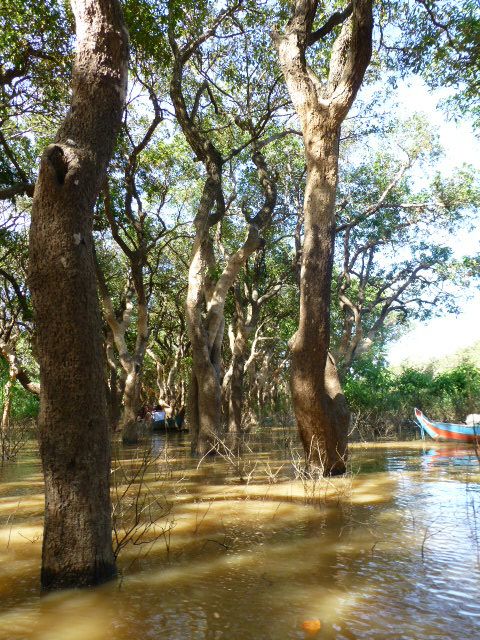
water that flows back inland. Tonle Sap lake and the Mekong River.
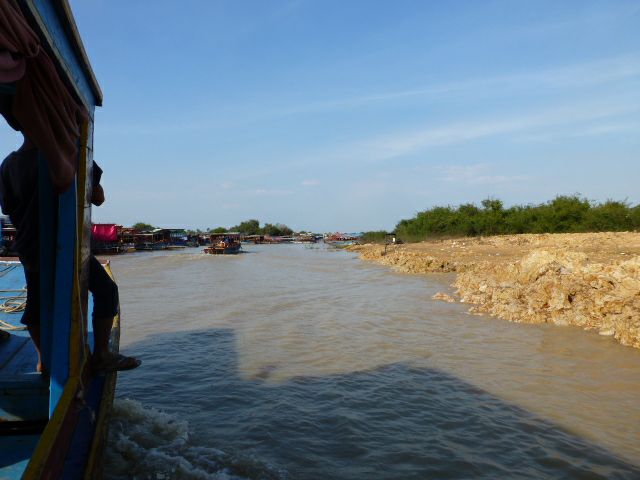
 Ecosystem Hotspots