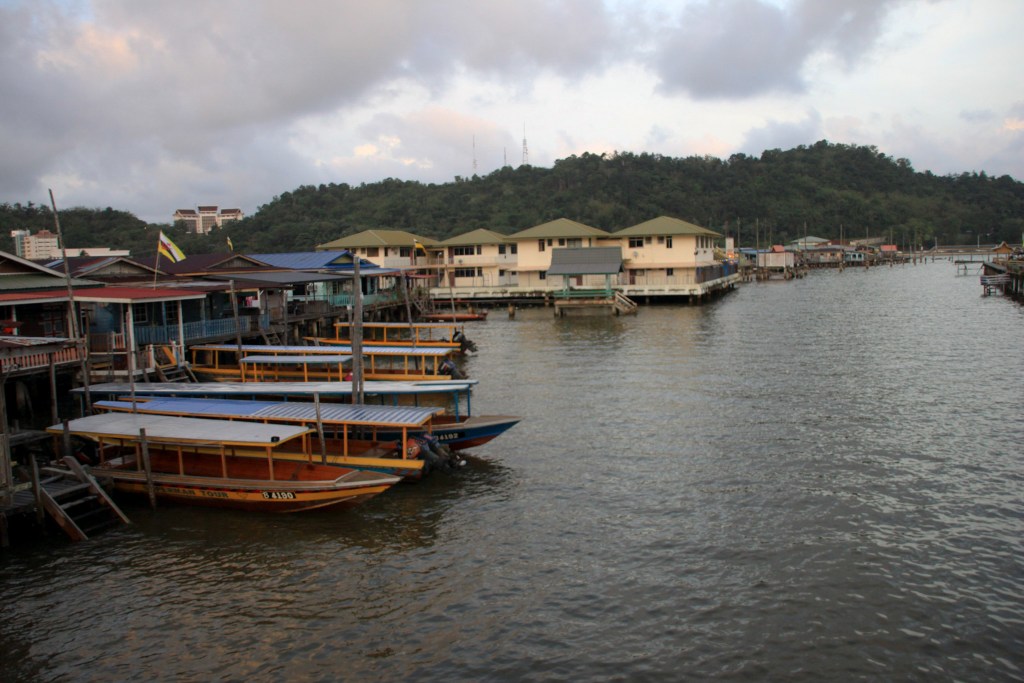
Brunei Darussalam is a fascinating country in South-East Asia. Nestled between Malaysia on the North-Western flank of the island of Borneo. Between May 2017 and May 2018, I called Brunei home. Although working in Brunei was challenging, it is a captivating place to live. Opportunities abound to explore well preserved primary and secondary rainforests. The sports and lifestyle activities soon fill your spare time. A smorgasbord of fascinating people and cultures calling Brunei home, complemented with juicy tropical fruits and delightful Malay food, make Brunei a ‘must-see’ location on any persons travel itinerary. Here is one travelers thoughts after a year in the country.
Brunei’s history is a flavorsome alcohol free cocktail of Islamic, Malay, Indian, British, Chinese, Arabic, and Indonesian influences. Easily accessible to the Malaysian border for those who like their history and culture washed down with something stronger. 15th century Brunei covered most of the island of Borneo and in to the Sulu sea. This was the golden age of Brunei. Over the centuries it has been redistributed to decentralized powers, splitting the small country remaining into two segments. Temburong in the East and Belait, Brunei, and Muara in the West. Brunei is peppered with fascinating stories of characters from its past. Like Sir James Brooke, the ‘White Rajah’ of Sarawak; the king of Sulu; and Sultan Bolkiah, Brunei’s 5th Sultan.
Brunei remains strategically positioned on large oil reservoirs that are relatively cheap to produce, selling in to an oil market still economically viable. It is a Malay Islamic Monarchy. MIB is a conservative ideology, introduced at independence from Britain in 1984. Described as “a blend of Malay language, culture, and Malay customs, the teaching of Islamic laws and values and the monarchy system must be esteemed and practiced by all“. The official religion is Islam and it’s religious and state matters are governed together, making it a non-secular society.
Melayu Brunei, a tradition developed specifically in Brunei, encourages adherence to a Middle Eastern norm with no analogous practice in the Malay world until the early 1980’s. Shāfiʿī jurisprudence, (interestingly a practice shared with the Kurds), forms a school of religious law in the Sunni arm of Islam. This form of governance creates an interesting society. One with strong control measures in place, but with a daily life of relative comfort [1]. Brunei is safer and easier to move about in when compared to my experiences in Iraq.
Wawasan Brunei 2035 ‘is the Nation’s aspirations to ensure that the people of the country are educated, highly skilled and accomplished; enjoy high quality of life; and the nation having an economy that is dynamic and sustainable in 2035’.
Britannica says the following about Justice – Following a system based on British Law, there is a Magistrates, High, and Court of Appeal. There also are courts of Islamic law (Sharīʿah; Syariah in Malay), as interpreted through Shāfiʿī jurisprudence, (ME – interestingly a practice shared with the Kurds) that can appeal to the country’s Religious Council. When Syariah was first introduced, its jurisdiction was limited to personal or family matters (e.g., marriage). In 2014, however, Brunei began to phase in Syariah for criminal cases, with full implementation of the system on April 3, 2019.
Living in an Islamic society, with both British and Sharia law governing the community, was a cherished experience. Once you understand your limitations and restrictions, which are similar in moral content to those governing Christian societies, the interactions with all who called Brunei home were special. Granted the consequences of breaching the moral code are severe, but the high number of witnesses required to bring a case to a consequence, was manageable by ensuring offence was not brought to the community. A different way to live, encouraging aspects of self-responsibility, self-restraint, and privacy, it is one that deserves global awareness.
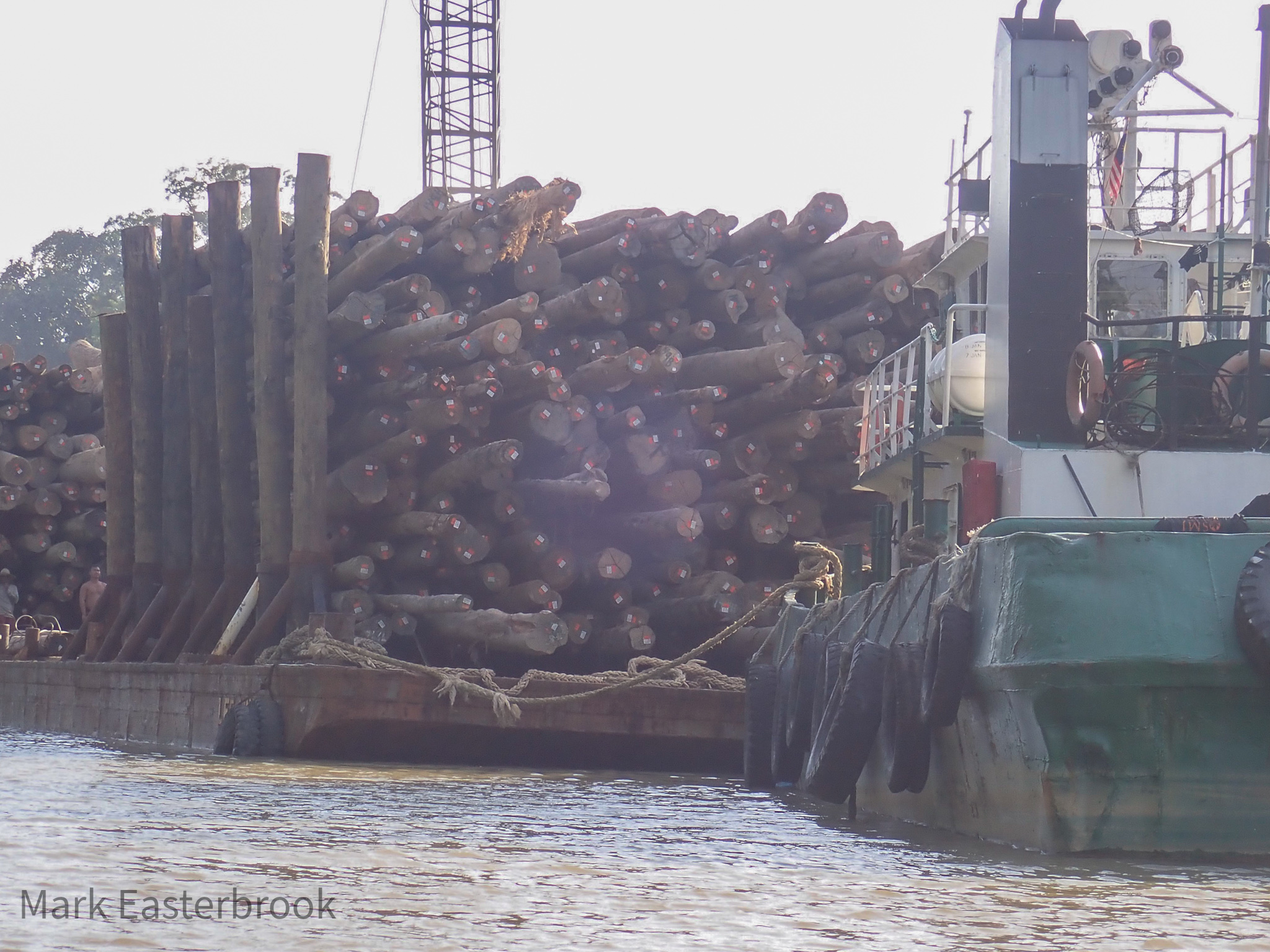
The oil industry has certainly saved the forests in this part of Borneo. Being a small country with a large volume of ‘easy’ oil meant that the forests were used as a natural habitat for ecosystems, rather than being turned over to oil palm and other extractive industries. (Similar to the adage that the oil industry saved the whale populations, as it presented a substitute for whale blubber to be used in lighting, so kerosene rendered whale blubber obsolete.)
Britannica says this about the ecosystem – About three-fifths of the country is covered with virgin tropical rainforest, and another one-fifth is under secondary forest. The undisturbed rainforest consists mainly of hardwoods of the Dipterocarpaceae family (notably of the genus Shorea), most of which are of commercial value. Large expanses of freshwater and peat swamps are found in the poorly drained lowlands of the Belait and Tutong rivers, while mangrove swamps are common along the lower riverine reaches and sheltered coastal areas. The complex vegetation of the rainforest provides niches for a rich variety of animals, including proboscis monkeys, leaf monkeys, pigtail macaques, gibbons, sun bears, sambar deer, pangolins, bats, and many other mammals. Among Brunei’s most notable birds are its argus pheasants and hornbills. Numerous species of reptiles, including the large reticulated python, inhabit the country’s swamps and woodlands
Brunei presents a dichotomy between the new energy and the fossil-fuel protagonists. As I was leaving Brunei, there was talk about installing solar farms in the country. I am torn between the need to reduce our global dependence on fossil fuels, protecting our rainforest and embracing the energy transition. Solar farms need land, and I shudder to think that Brunei may cut down new areas of its rainforests to build solar facilities, when it still has an ample supply of fossil-fuel energy offshore. Granted the production facilities need to be made cleaner with stricter operating conditions and global financial mechanisms.
(The author supports well positioned solar, and rooftop solar, but has concern over the environmental impact of large-scale solar farms in naturally forested areas such as Brunei. He supports renewables on damaged land, when an ecosystem services assessment confirms electricity generation through renewable sources as the most appropriate service on the area of land specified).
Brunei saw predominantly European and USA based protests against its announcement of adoption of Sharia law in 2019. Brunei’s assets, after its people, are fossil-fuels, international investments (BIA, the sovereign fund), and its primary rainforests. With a declining oil production and the potential reduction in income from overseas investments due to global boycotts, make this author concerned that a new industry will be required to continue the comfortable lifestyle of its people. Potentially turning these forests over to agriculture, such as palm oil. (Basically the point is, international investments are important for Brunei. By damaging their worth, there is a risk that Brunei turns to more environmentally damaging extractive industries to maintain its quality of life).
With a population of 440,000 people, 65% class themselves as Malay, 10% as Chinese, the remaining 25% form the transitory working migrants. As a Green IC (Identity Card) holder, I was classified in the later category.
The number of immigrants remains limited to 35% of the total population [1].
Britannica says this about religion – Brunei’s population is predominantly Sunni Muslim, although the Chinese usually follow Buddhism, Daoism, Confucianism, or Christianity. Some of the indigenous peoples are Christian, while others follow their own local religions. (Muslim – 79%, Christian – 9%, Buddhist – 8%, Traditional – 4%)
Britannica says this about the population distribution – Nearly two-thirds of the population of Brunei is classified officially as Malay. This category, however, includes not only ethnic Malays but also a number of the indigenous peoples, namely the Dusun, Belait, Kedayan, Murut, and Bisaya (Bisayah). Chinese make up about one-tenth of the population. The remainder of Brunei’s residents consists of other (non-Malay) indigenous peoples, such as the Iban (or Sea Dayak); various peoples of South Asian descent; and temporary workers, primarily from Asia and Europe.
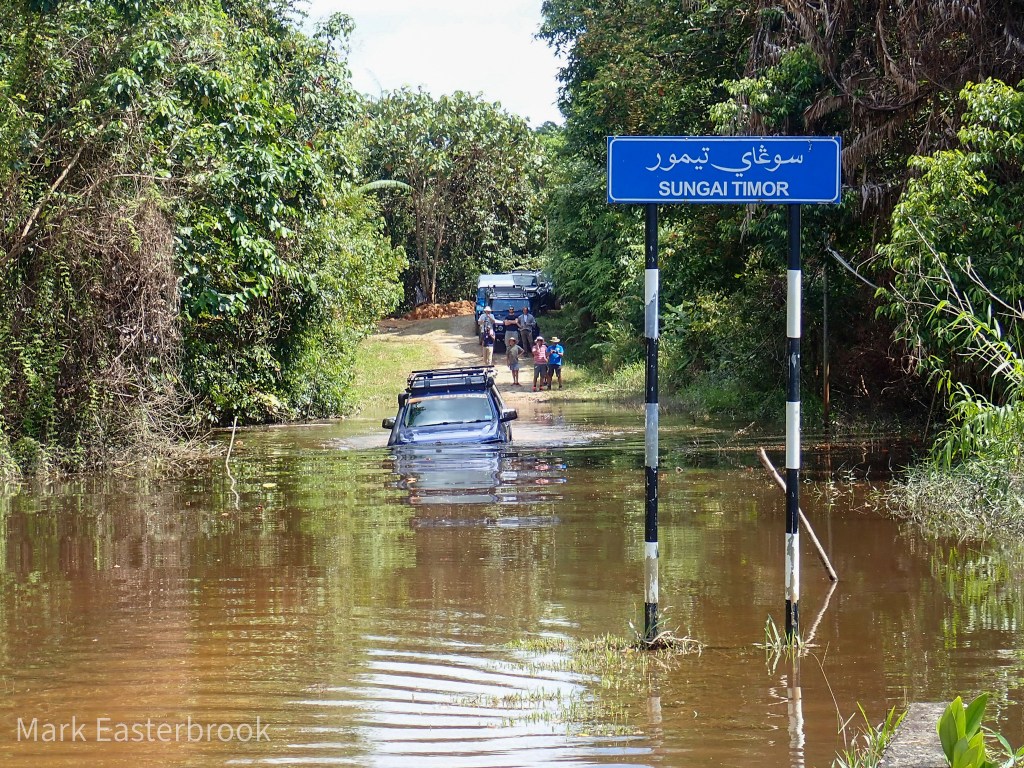
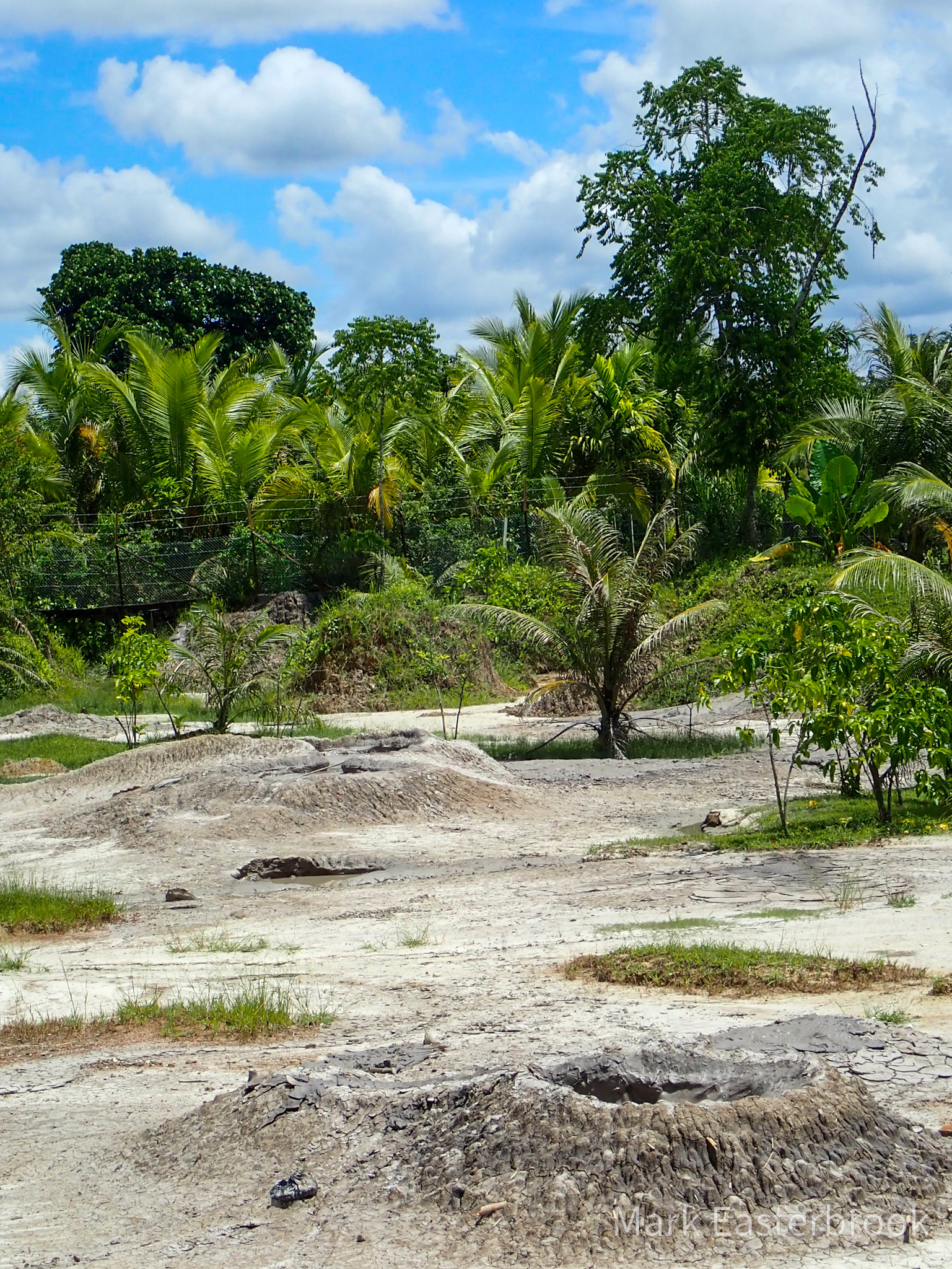
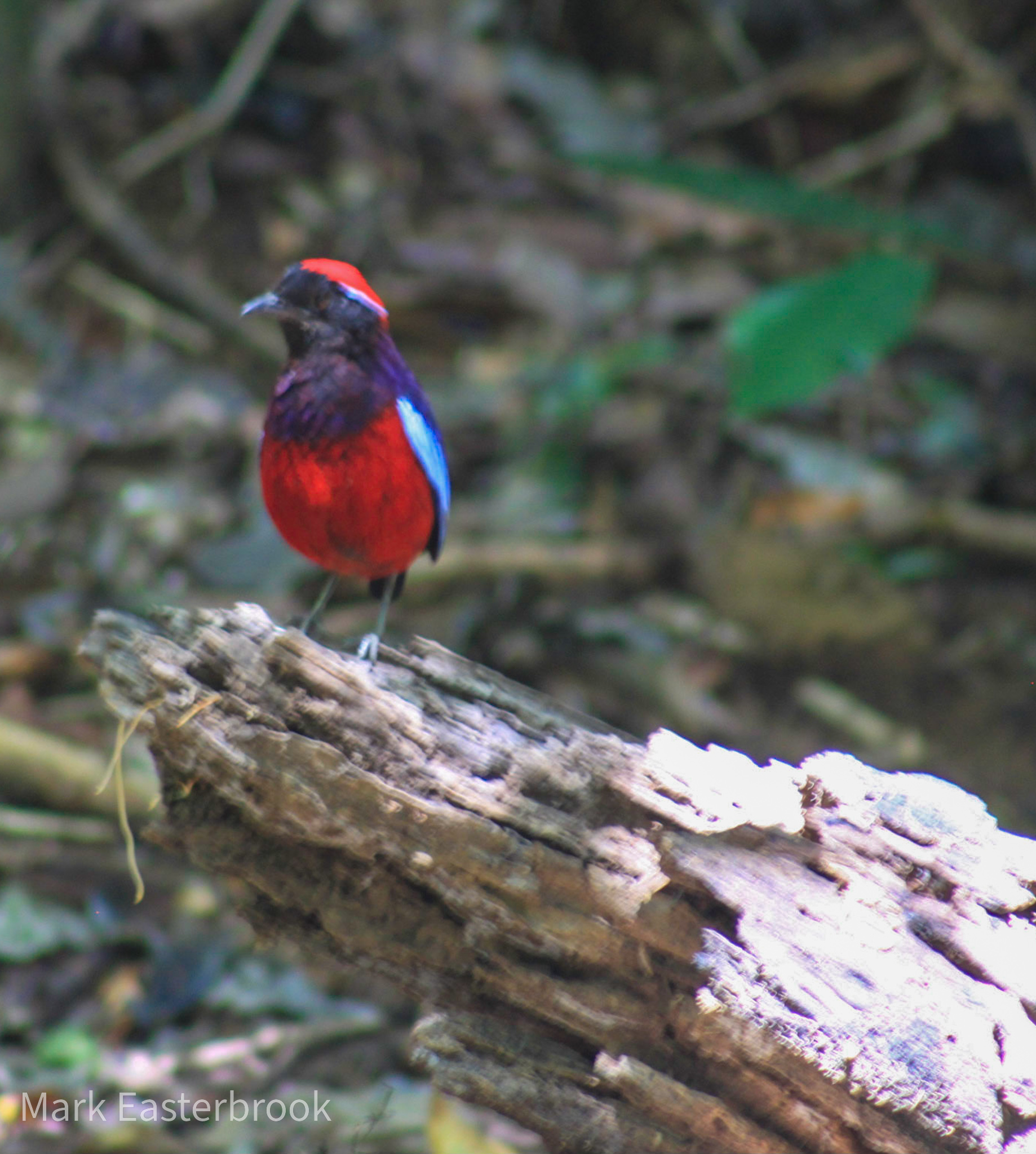
Saw a Garnet Pita.
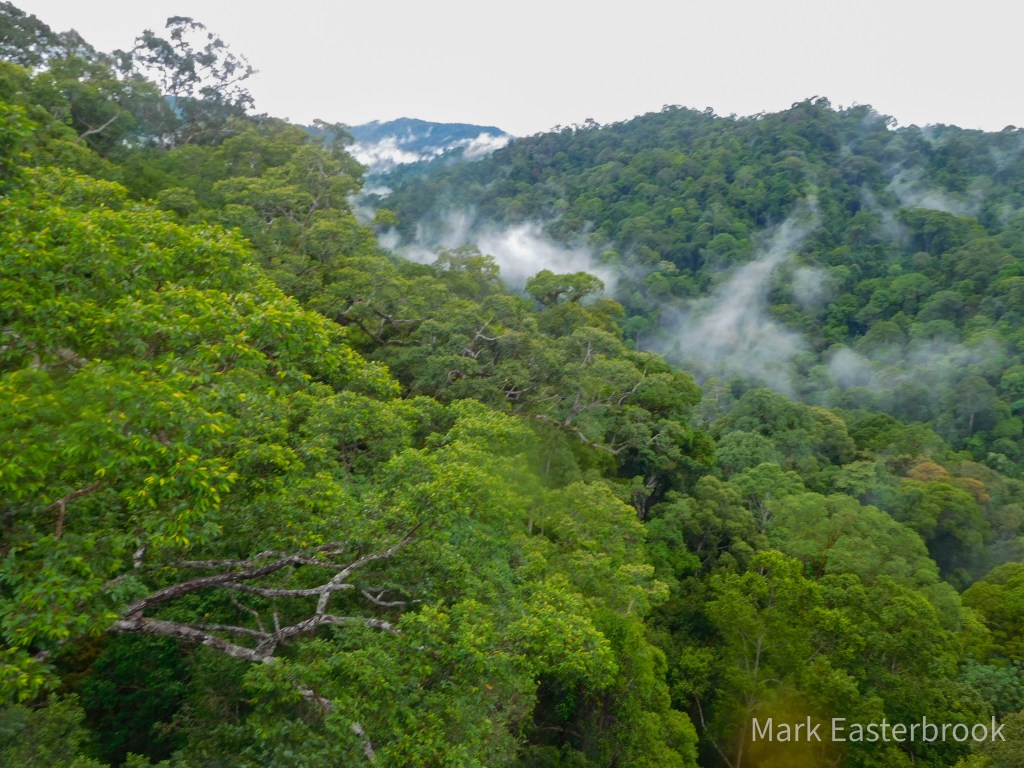
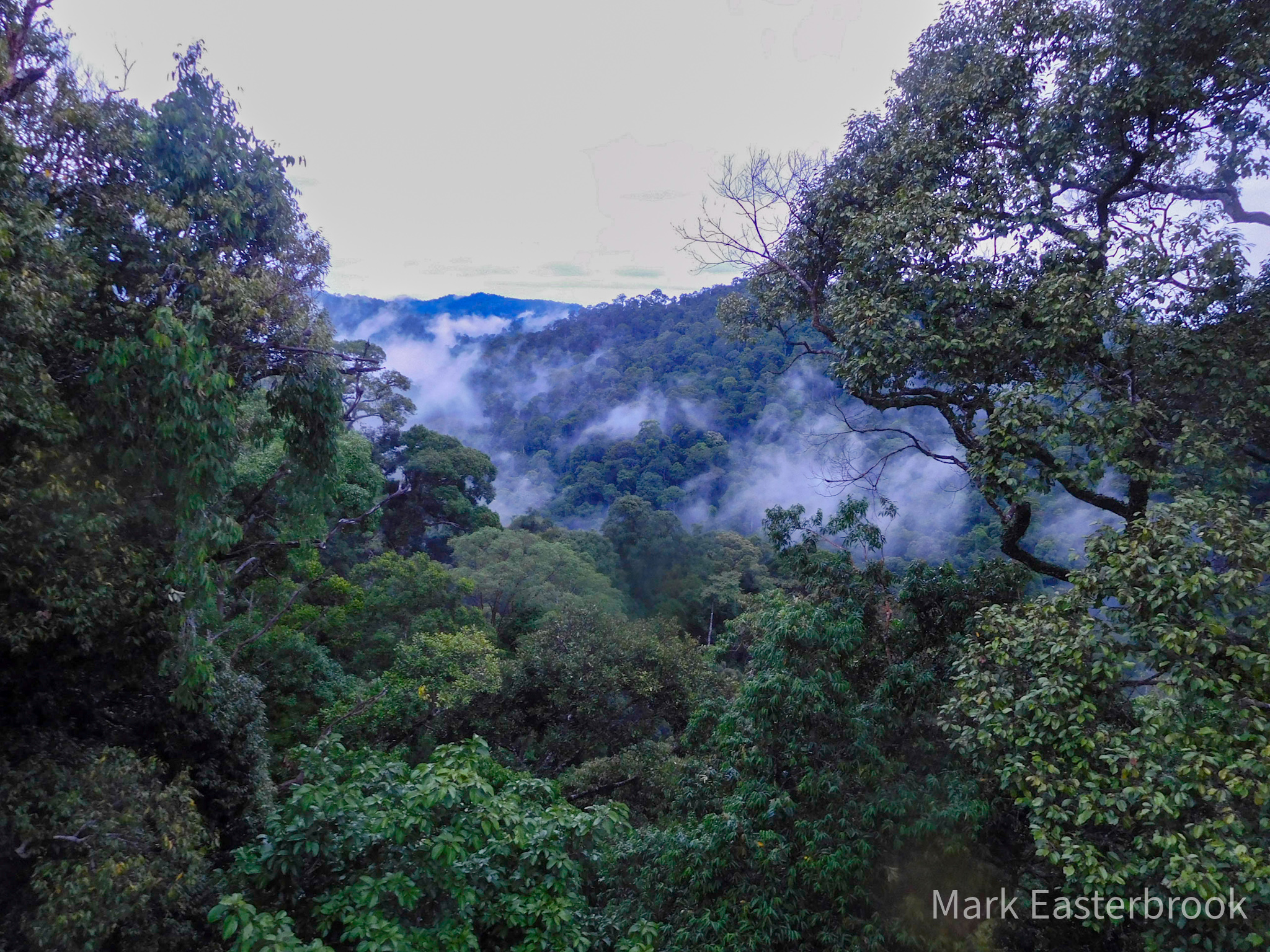
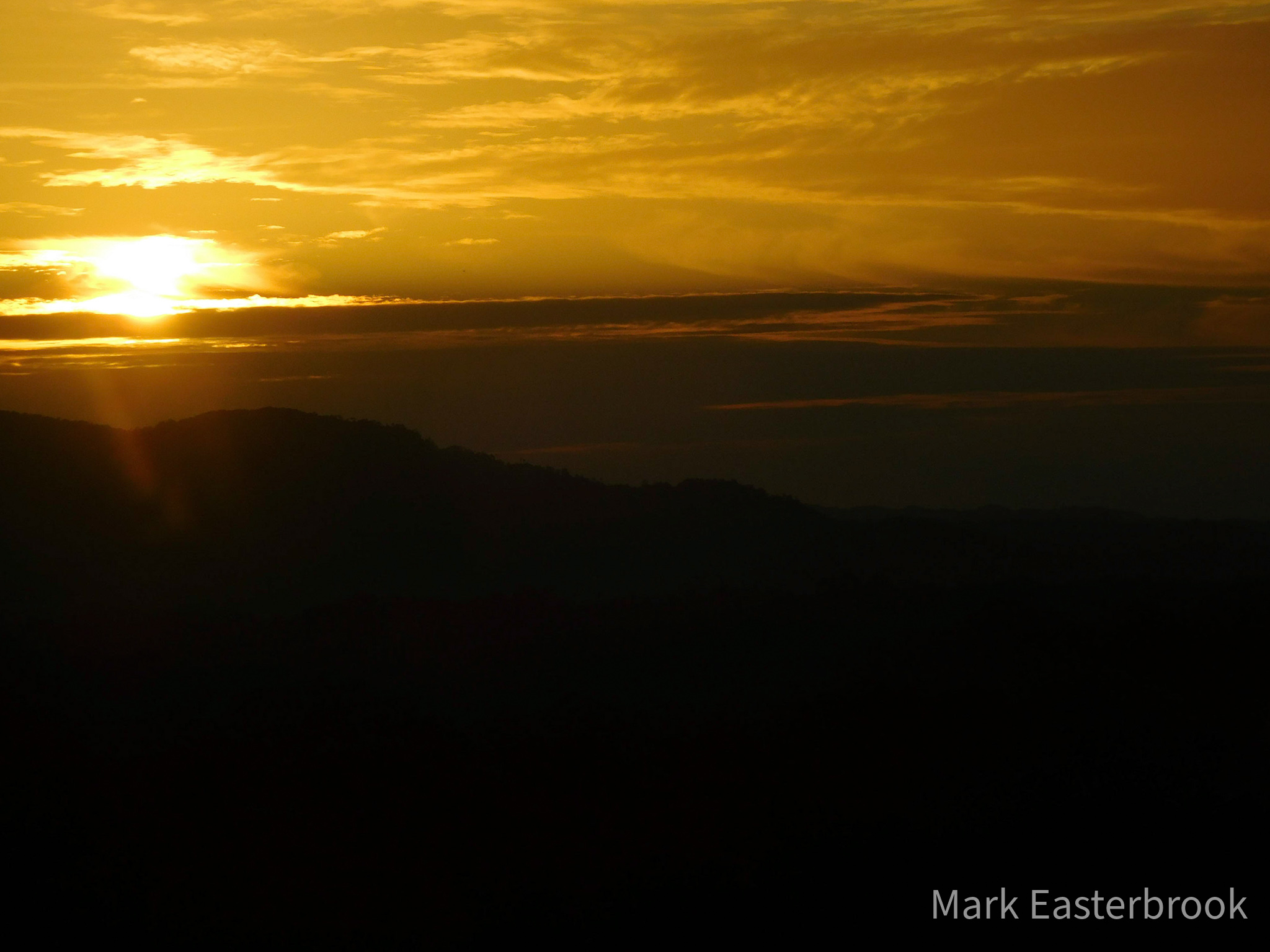
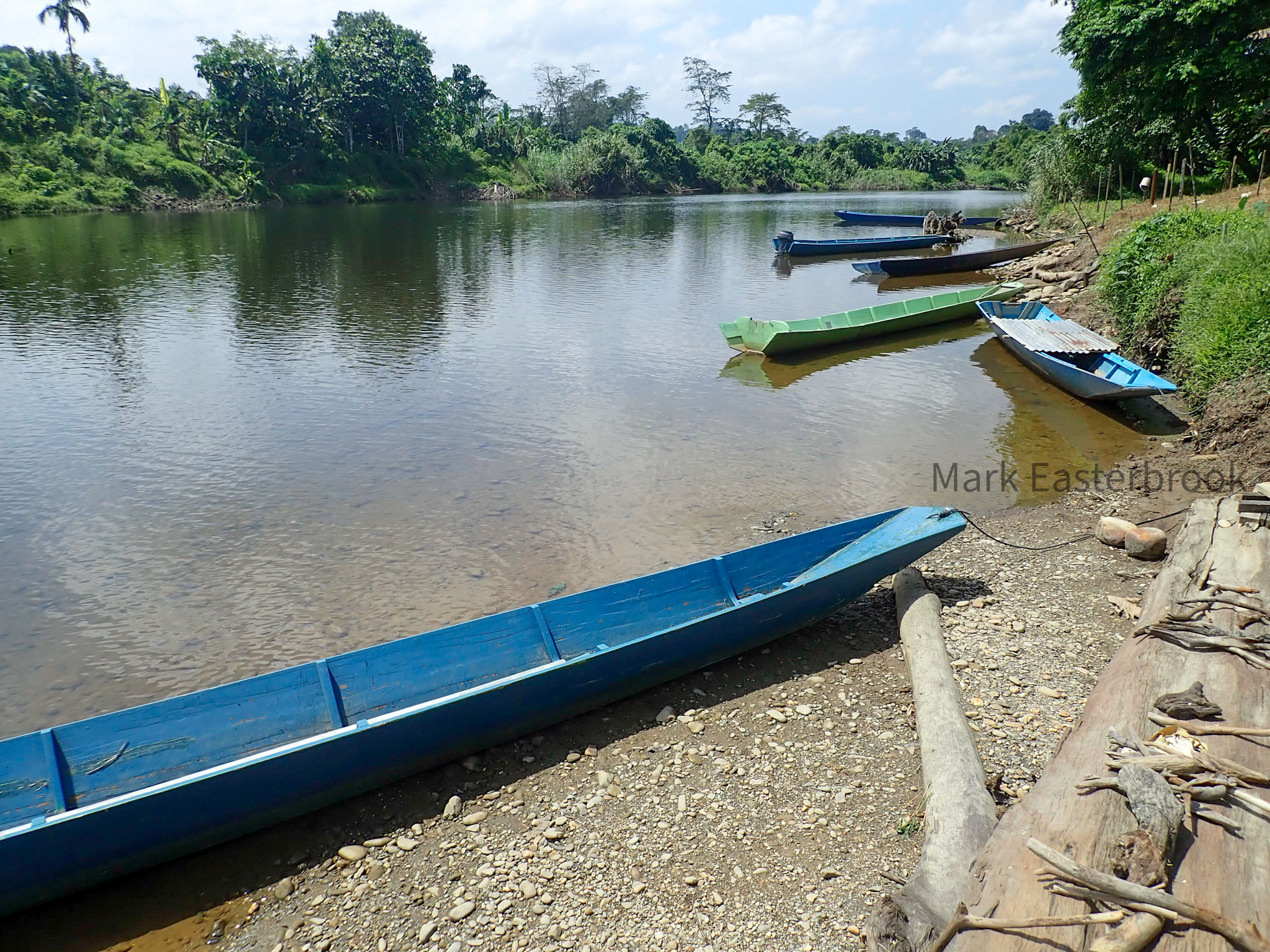

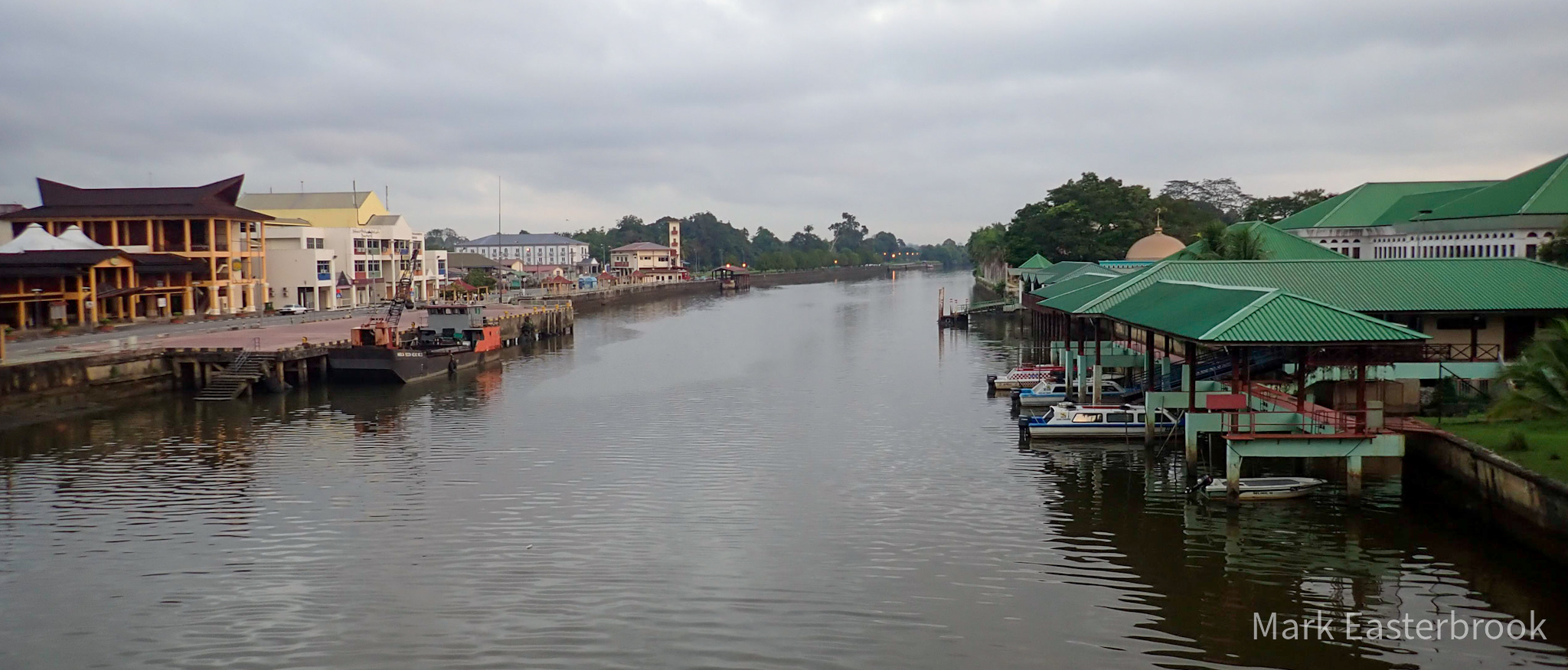


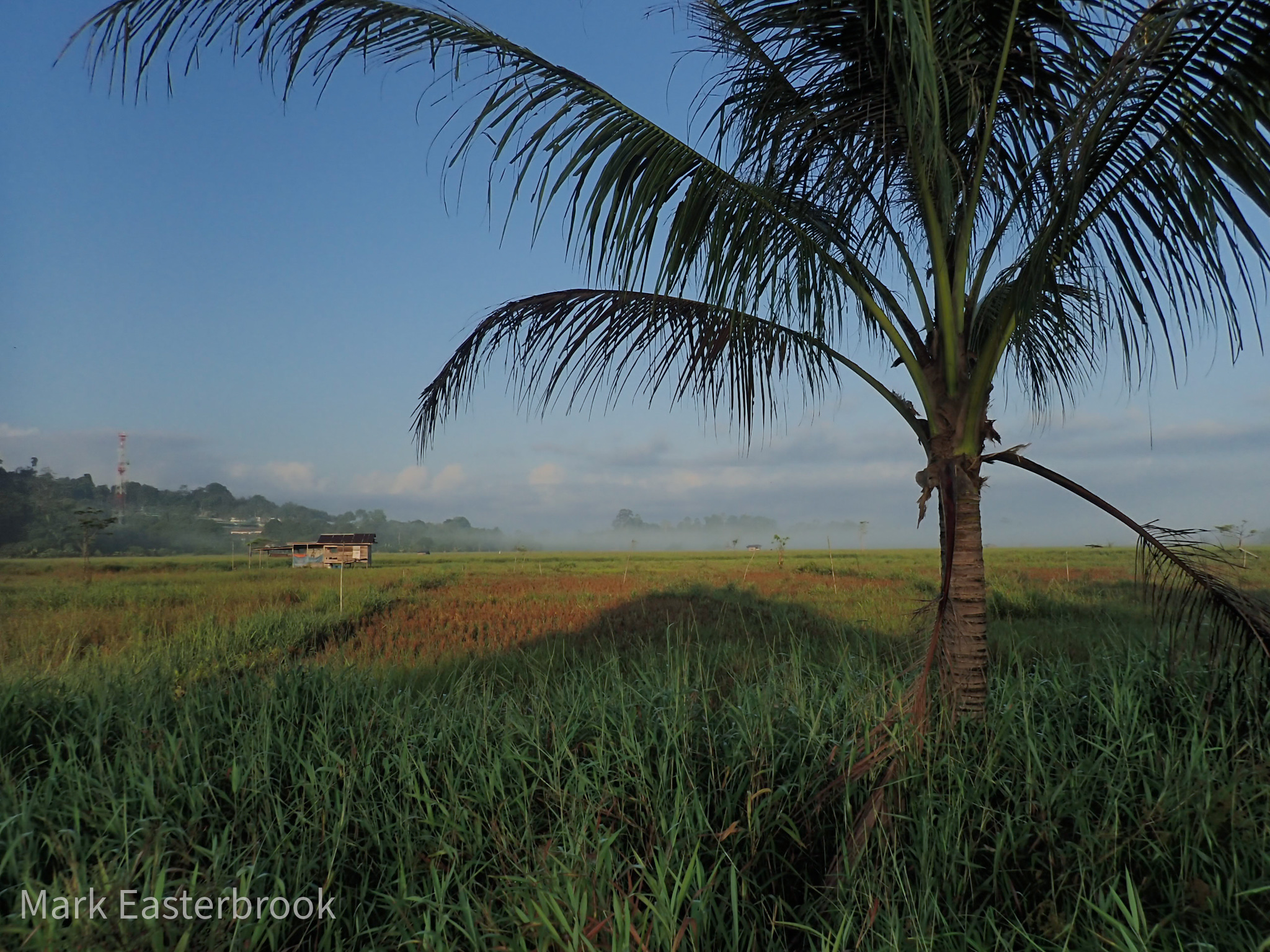
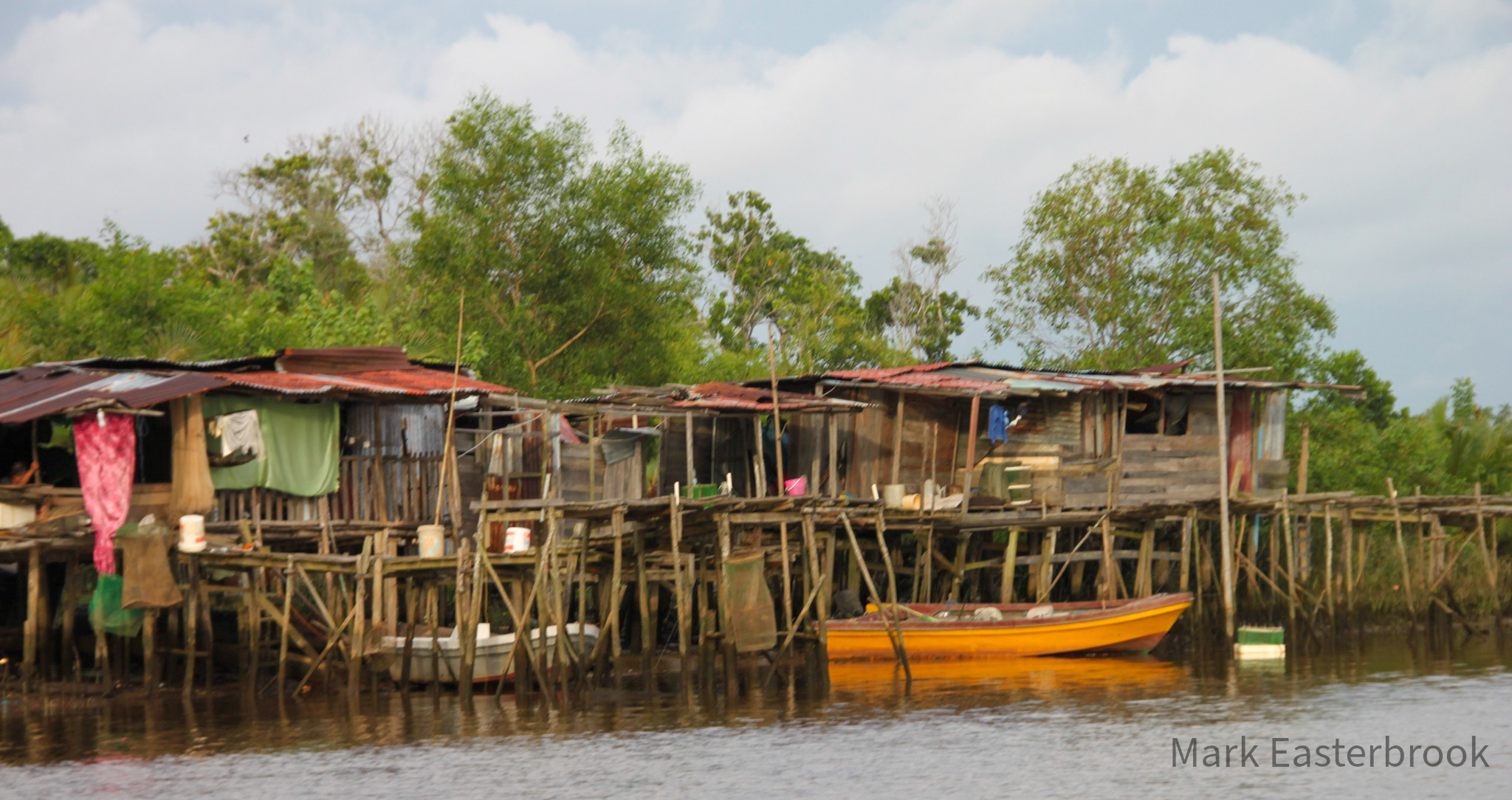
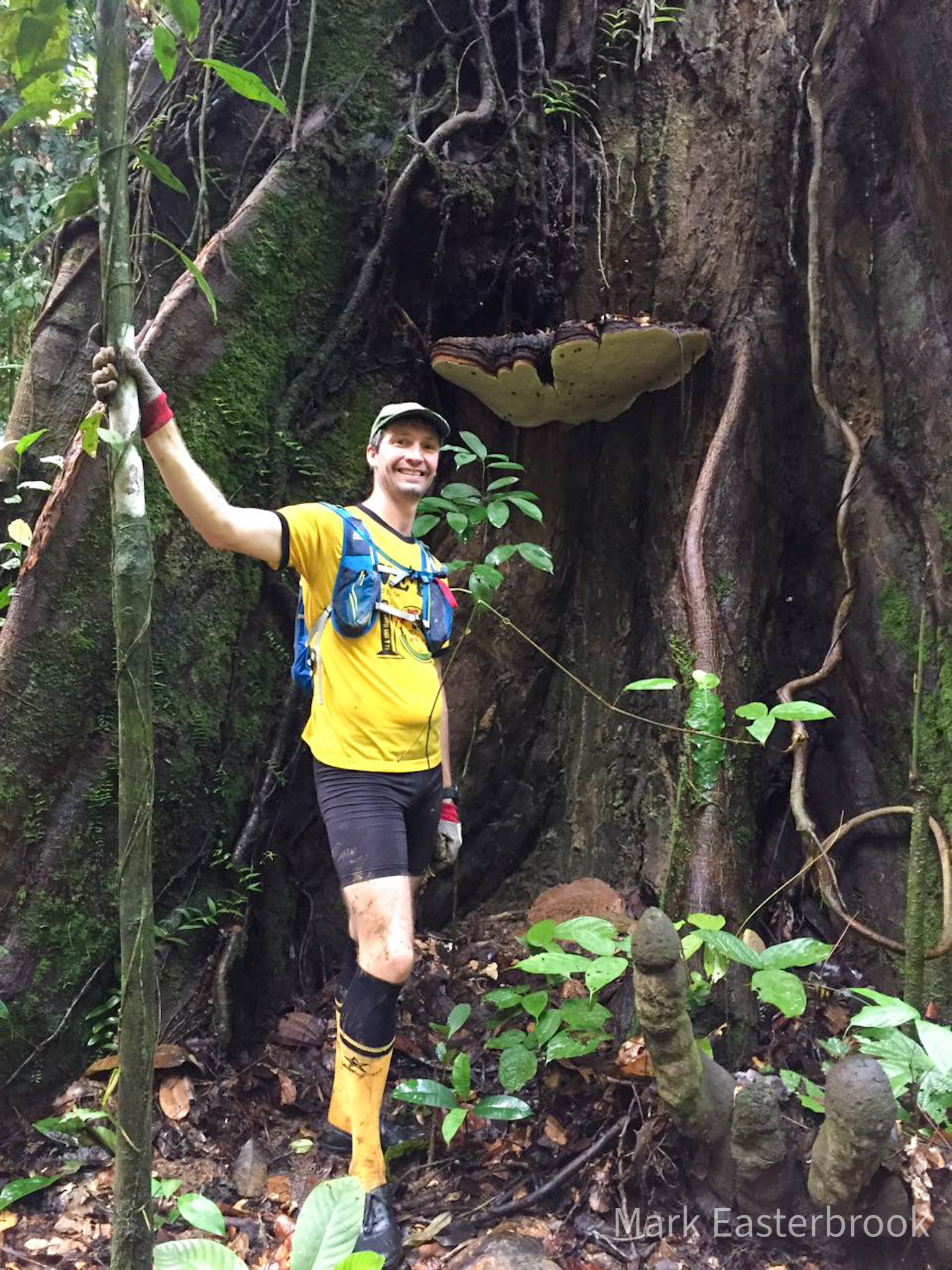
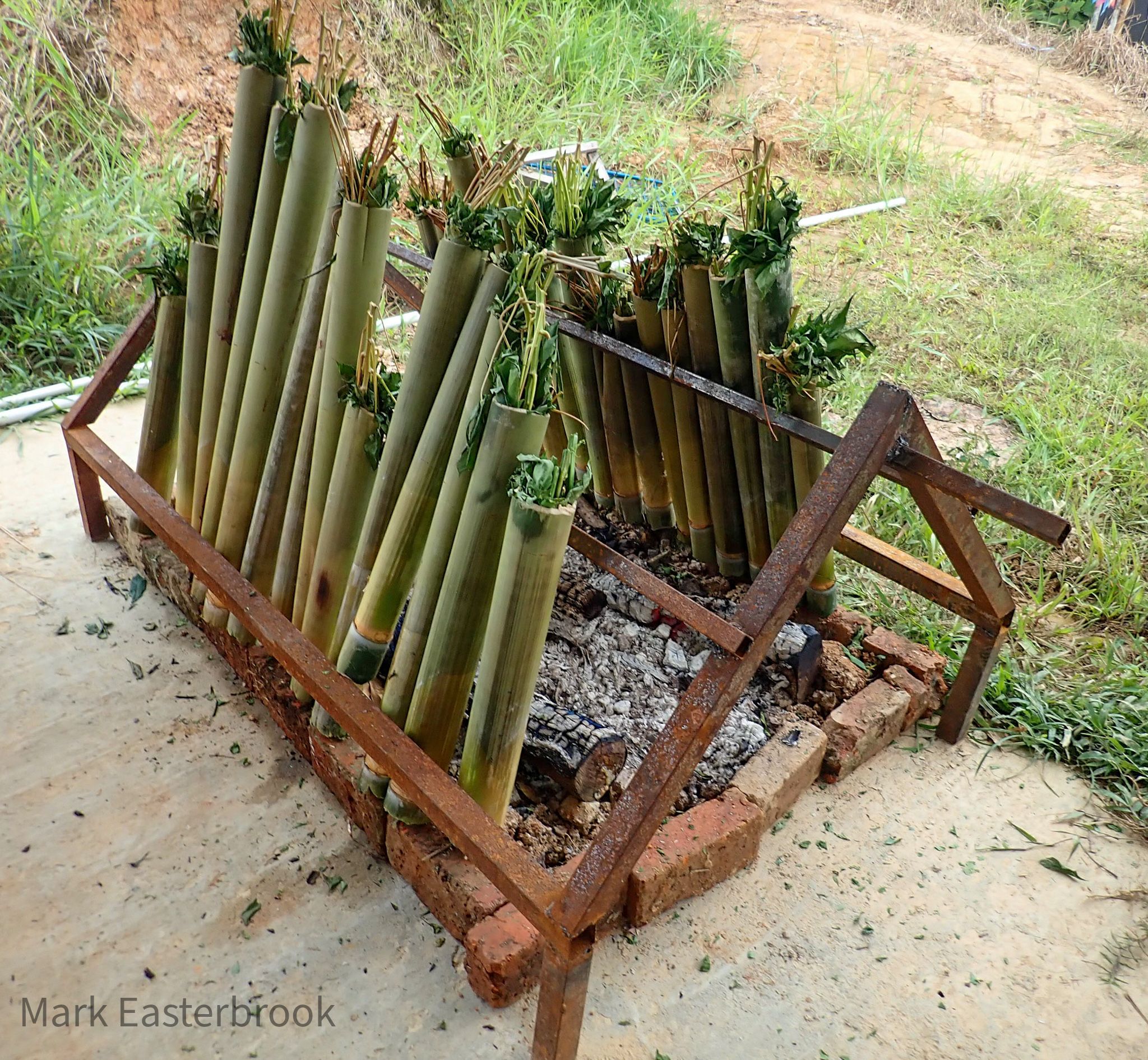
Weekends away in Temburong. Forest hiking, enjoying local traditional food, like Bamboo chicken.
Other travellers experiences of Brunei

References:
[1] De Vienne, Marie-Sybille; Brunei, From the Age of Commerce to the 21st Century, 2015.
 Ecosystem Hotspots