This town should not be on the European maps if there were no engineers or politicians.
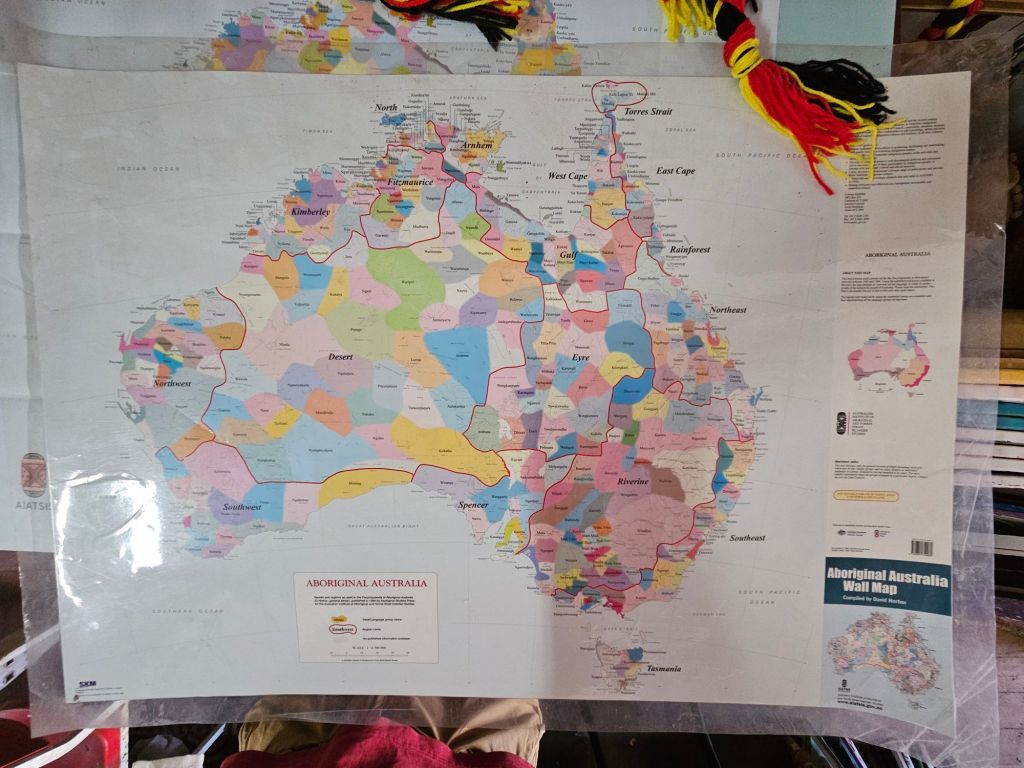
A location known by first nation peoples as karlkurla, a word for the ‘silky pear’ fruit. Almost named Hannan’s Find, as British governers used to do in times past.
That the town founders in 1894 used the indigenous peoples name for a fruit that grew around a nearby waterhole is visionary stakeholder engagement.
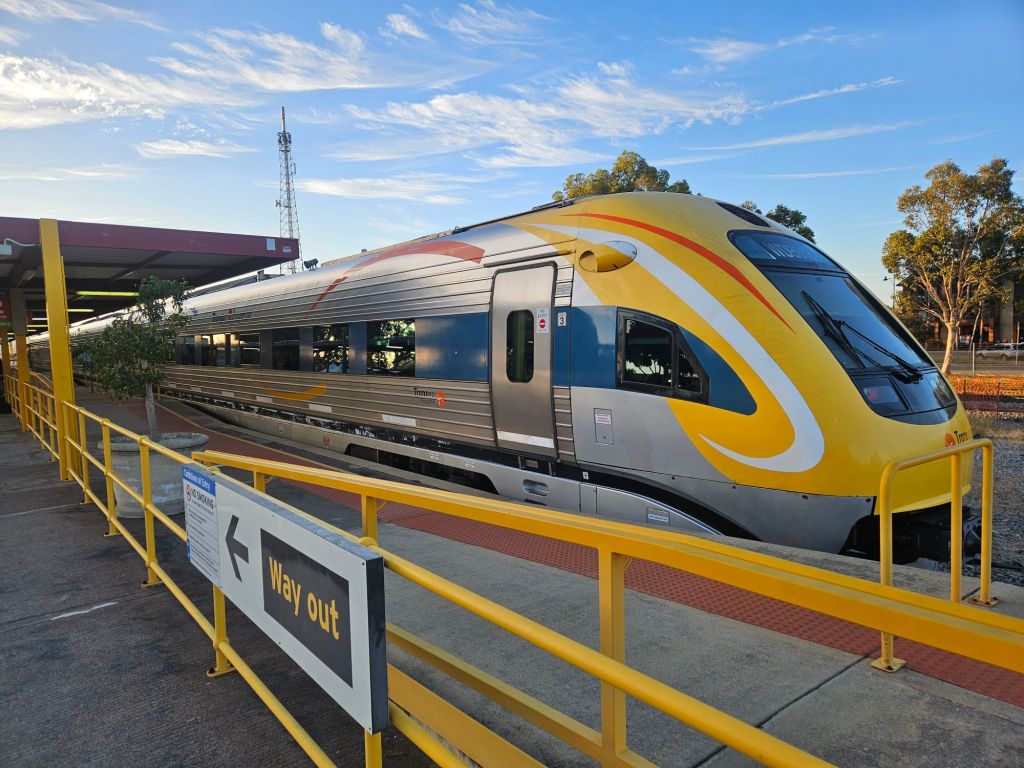
Nowadays the town can be reached from Perth in 6 hours on the aptly named Prospector. A train linking the town that kept Western Australia a functioning member of the Federation of Australia.
In 1893 gold rush times people would walk that distance. Their waterbottles being their most important possession, almost as important as their wheelbarrow and picks. Nowadays the concern is mobile signal connection, but the train has wifi.
Cruising along at 70km/h, the strange lowland scrub presents an unusual vegetation. Once the Spanish travellers had accepted that Australian trains take double the time to complete the distance between Madrid and Barcelona, we settled into a peaceful journey that would make Prince Albert comfortable. He was reported to have asked the train driver to slow down in his first journey by rail from Aberdeen to Balmoral.
To provide the energy to drive the gold mine at Kalgoorlie, and the condensors to power the water desalinators in the burgeoning town, 1000 tonnes of wood per day was needed. No surprise that there were no tall trees along the jouney.
When Paddy Hannan stumbled accross the largest eagle shaped example of pure gold, it was no surprise that 3 weeks later in June 1893, most of the commonwealth worlds goldrush men were mobilising to Kalgoorlie. They followed Charles Hunt’s track.
Hunt led an 1864 exploration to find a link between Perth and the eastern colonies of the Australian continent. The watersources which were later expanded to cope with thirsty travellers, were discovered through much adventure, some good conversation with local people, and sometimes some hard words.
By the time the gold eagle rock had been discovered at the place of the silkey pear, there was sufficient awareness of refueling stations for weary foot travellers to refil their waterbottles.
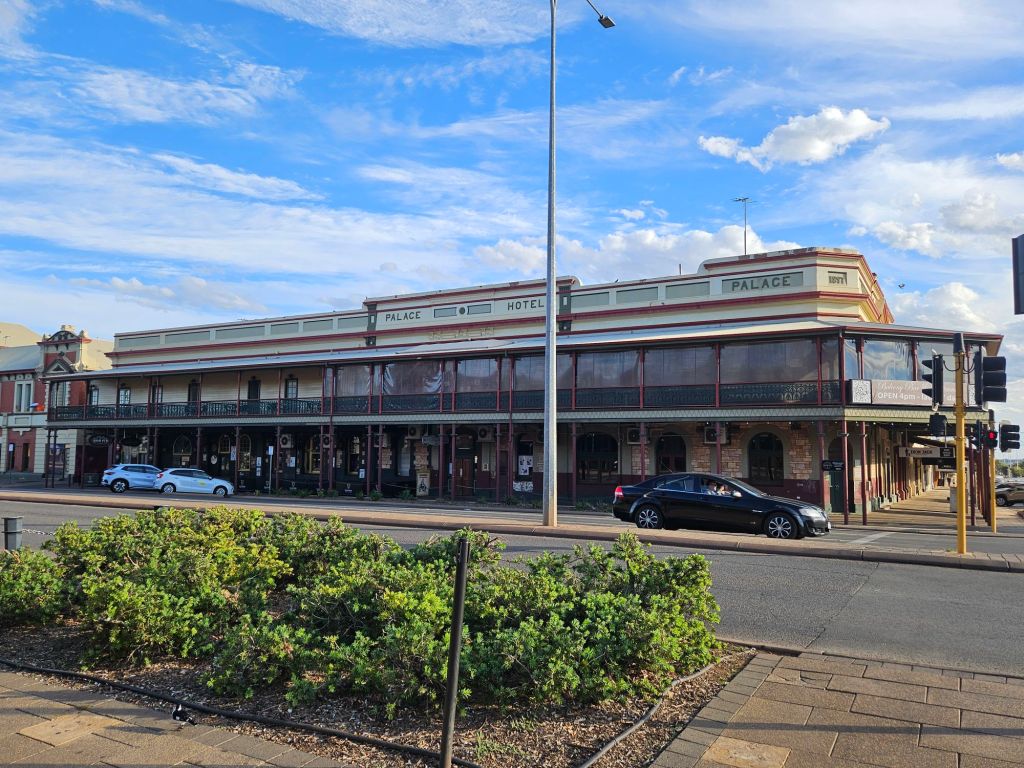
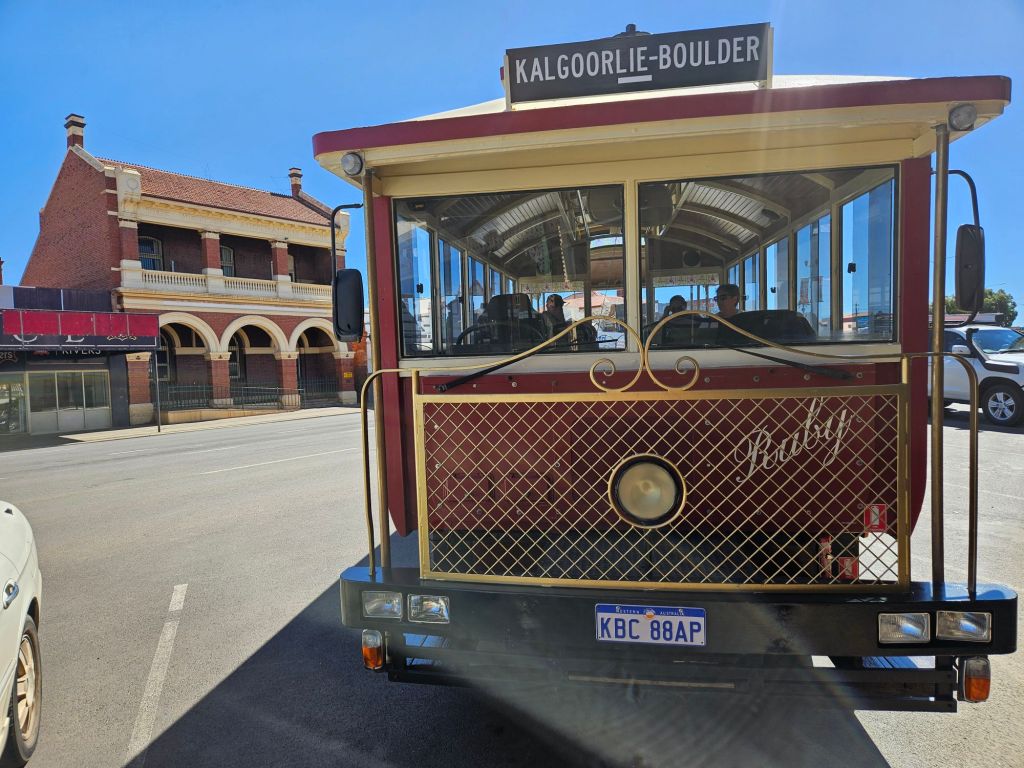
When these travellers arrived, there was no tram operating to take them around the sites. It was a tented city of predominantly dirty men from the eastern states, who hadn’t showered in many months. Not quite the ideal setting on which a story of female empowerment through voting starts, but hats of to premier of the time Sir John Forest for giving ladies the vote in 1899. Finally a politician who realised that by diluting the voting pool, the result he wanted might be possible.
Sir John Forest saw an opportunity. He needed internally generated cash to lift his Western Australia from the lowest rung of the colonial status ladder. His state covered such a large area, but the city of Perth was unable to compete with the likes of Sydney and Melbourne. Even Adelaide was standing on its own due to Burra copper. Getting Kalgoorlie gold to market, funded by British financiers, but using Western Australian infrastructure was Forrest’s grand plan. But it was divisive.
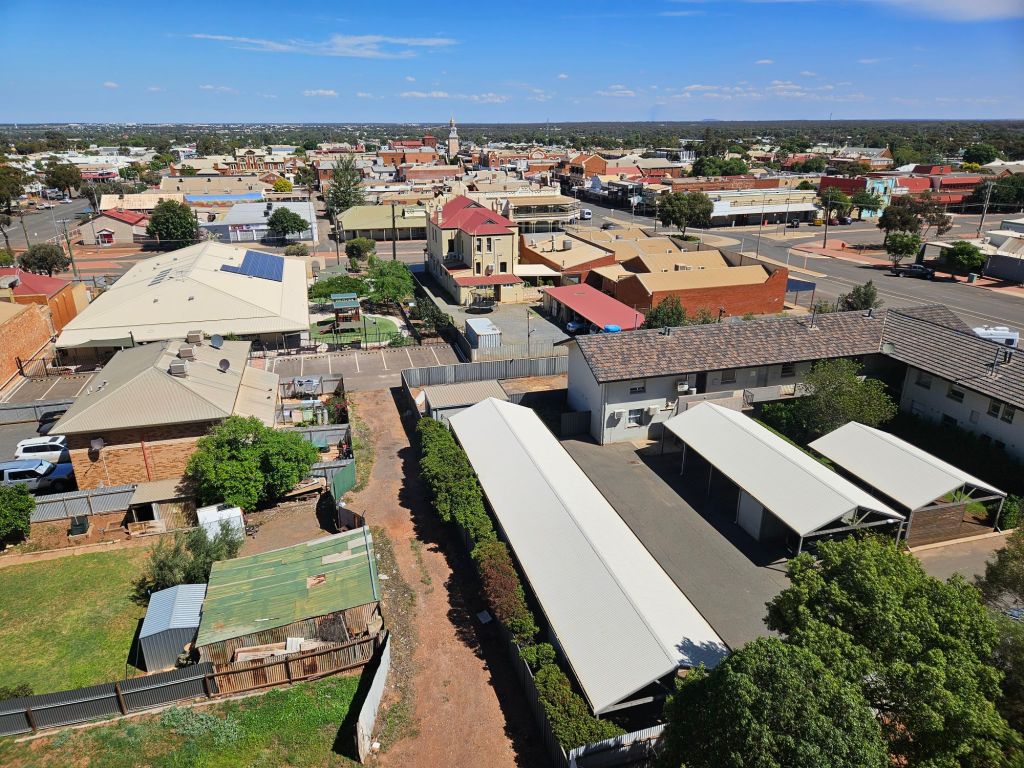
What triggered this divide between the goldfields and Perth was the ruling that anything under 10 foot below the surface was government property. With this act, the alluvial gold miners became pro-federation, prefering immediate link to their homelands of Victoria and New South Wales, rather than Forests plan of establishing Western Australia with infrastructure before entering federation on equal terms. To keep the Goldfields on side, that act was quickly overruled.
But long before that tricky political period, a decade of visionary activity had occured. Alternate thinking may describe it as the ultimate gamble. Risking twice the earning capacity of a colony for an infrastructure project that may provide the chance to enter the Federation of Australia on equal terms. Forest faced the prospect of this area joining the Federation as the state of Auralia, leaving his Western Australia as the ‘Cinderella State’. Political cunning of the highest class and nerves of steel were needed.
C. Y O’ Conner was bought in as Chief Engineer to get the Western Australian harbour system up to world standards in 1891. After a few years cracking that old chestnut, working close with Forest to overcome a very conservative opposition, Freemantle had entered the global port list.
With a gold rush now in Kalgoorlie, and people streaming into the area, aspiring to retire at age 45, the self-generated capital Forest wanted so much, was finally within reach. To realise this value a train was needed to bring the ore to Perth. Building a railway was CY O’Conners first task.
The most efficient gold processing technique requires considerable volumes of water. With most of the Aboriginal water holes, made famous by Hunt, running at capacity along the transport routes, a clever way to get water to flow eastwards was required.
Many people likely came up with the idea of a water pipeline to Kalgoorlie. But the partnership between Forest and O’Connner to make it happen presents the best story of trust, confidence and support between politician and engineer. Alas, by the end of the story, one would have committed suicide on a South Perth beach whilst the other progresses high in federal politics.
The idea was presented to O’Conner by Forest. After a few hydraulic calculations, likely including some roughness and pressure head sums, it was deemed possible, water could flow eastwards. Then began the challenging work of convincing Perth politicians and private businessmen, very happy with the status quo which kept their bank accounts topped up each month, to embrace something new and challenging. Abeit rather risky.
A dam was built in the Perth Hills, later known as Mundaring Dam. The 526 kilometer pipeline was to have 8 pumping stations to move the water to Kalgoorlie.
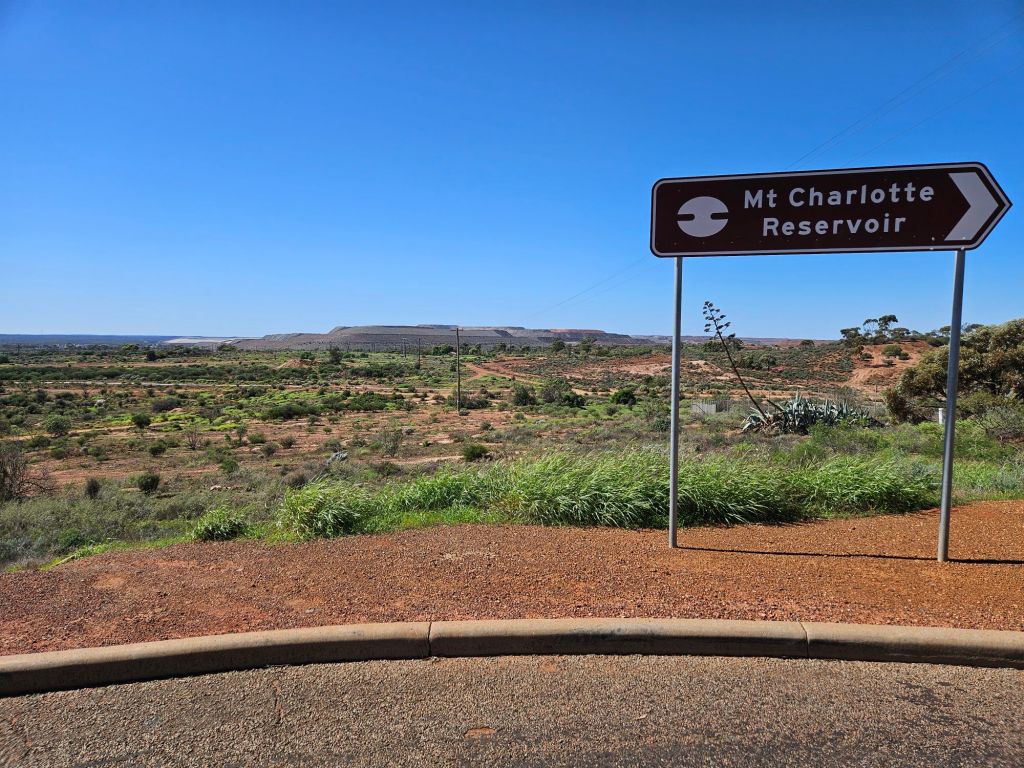
Fast forward to 2024 and Kalgoorlie is a town of 29,000 people. About the same size as it was during the time of O’Conner and Forest. The water arrives into the reservoir at Mount Charlotte and gravity feeds down to the city. Typhoid has been eliminated, it takes 6 hours by train, and even less by car to get here,
However you view it’s beginnings, where the Chief Engineer of the colony rides into the shallows of a South Perth beach, committing suicide, whilst the premier moves on from the project and enters the highest echolons of federal politics, Kalgoolie is a fascinating town.
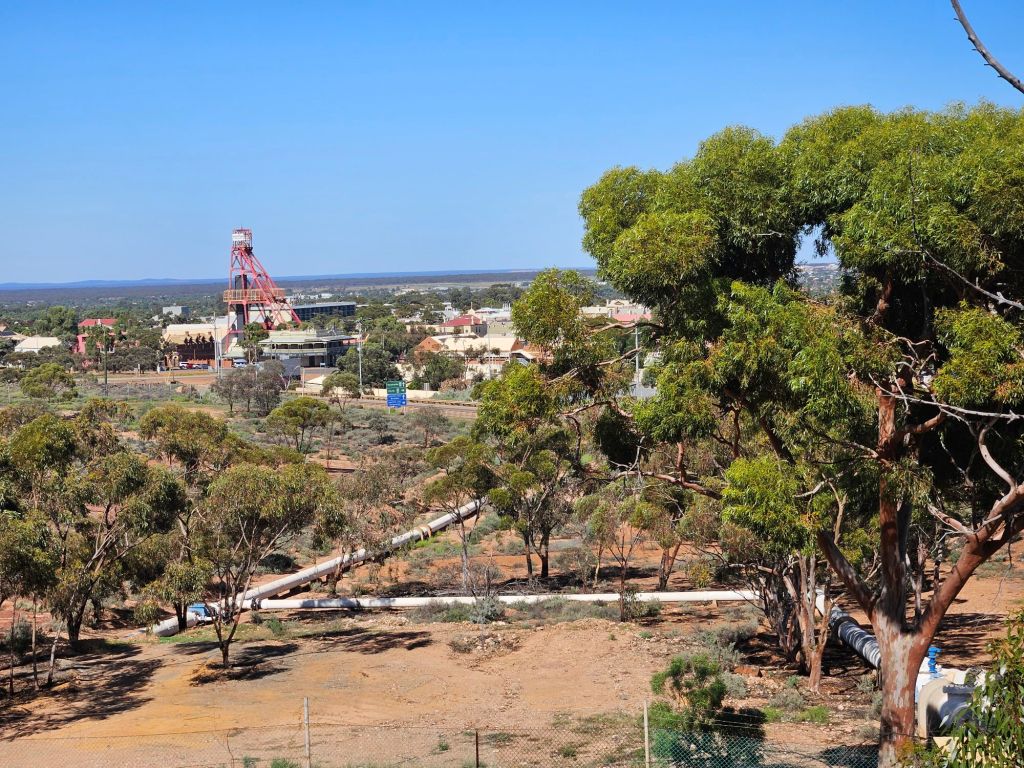
The town had established itself along a mile of productive ore body. An industrious businessman, Bond, Alan Bond (who soon after spent time behind bars) enters the story in 80’s and devised another engineering marvel to reduce costs of operating a gold mine. Buy all the leases along this mile of productive land and build a super pit,
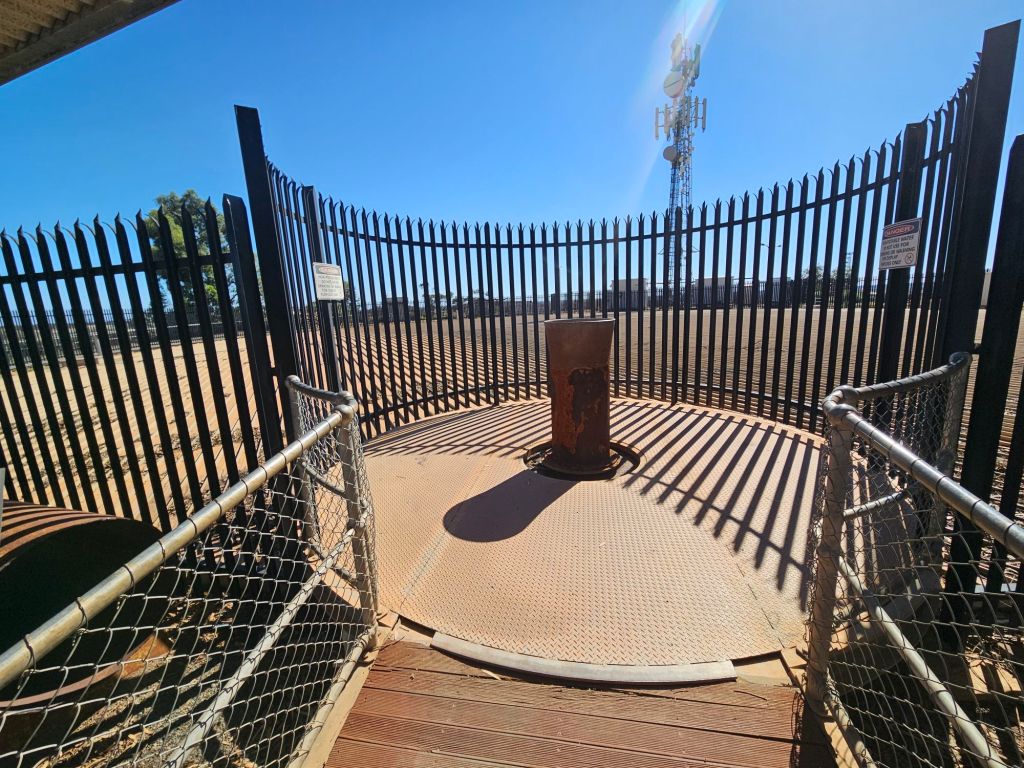
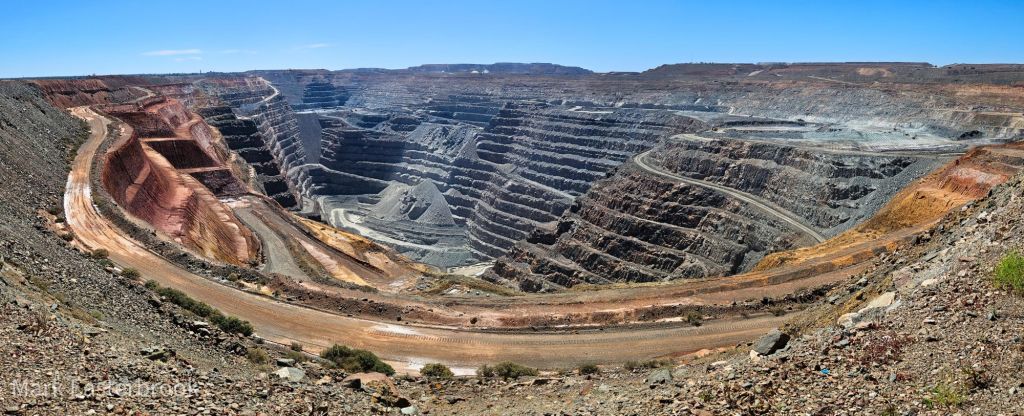
At 4 kilometers long and hundreds of meters wide, the superpit has extended the life of Kalgoorlie. The museam indicates that by 2021 the superpit would be closed and major discussions were required on Kalgoorlies future. Dating some of the photographs, and finding a reference indicating 2021 was 11 years from then, it appears the town was concerned about its future in 2010.
Speaking to locals, it appears that 2035 is the year of concern now. With the gold price the highest it has been and an established operating model proven, hopefully Kalgoorlie will be here for a bit longer.
As a Chemical Engineer who is recreating himself as an Environmental Advisor, the size of the superpit has dropped my jaw. It is beautiful. A testament to the engineers and politicians of the past and present. It is understandable why the first nations people are upset, as there are no tall trees in the area, there is a gaping hole in the landscape, and most of their water seeps are inaccessible. But we are all benefitting in the economic development of the area. As I sit here writing this with a few pints of craft beer from the local brewary, having had to use my ID to purchase beer from a liquor store, it is clear the economic development has come at a price for the local population. It is still a pioneer town.
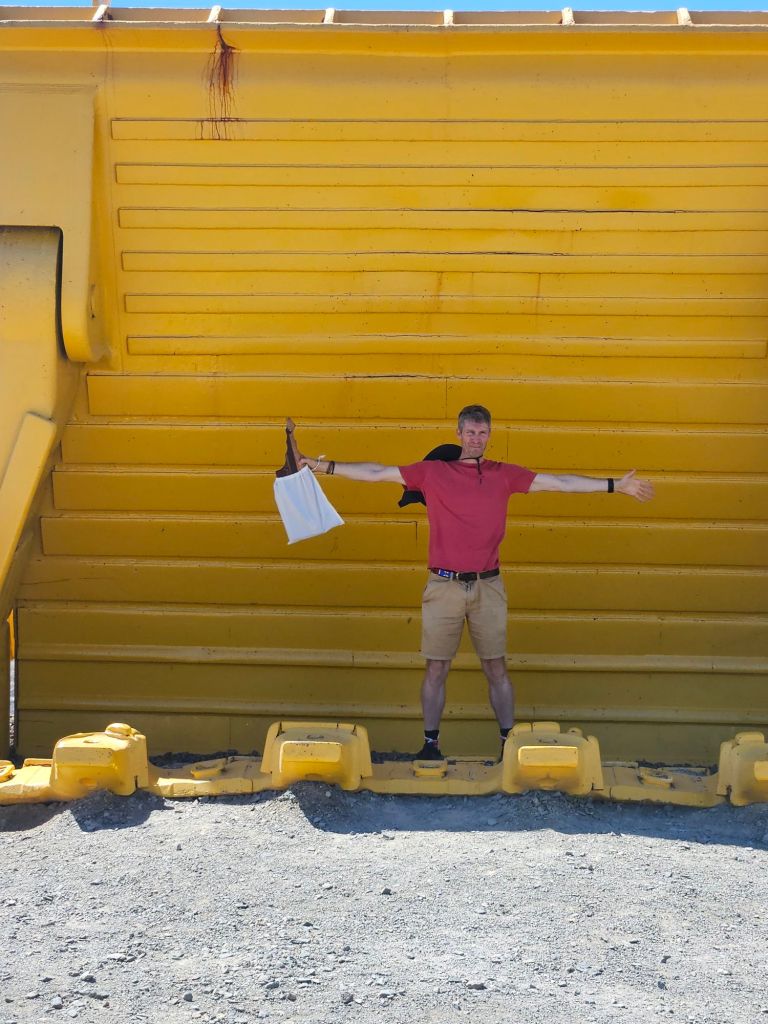
Open pit and strip mining are important techniques in the extraction of our valuable minerals on which we depend. They are key in the extraction of the rare earth elements that our renewable energy focussed world desire Renewable energy sources are an important part of the energy mix.
Seeing this open pit gold mine makes me wonder about the nickel, cobalt and lithium mines operating around the world to support the insatiable demand for rare earth elements to support battery production. I’m sure their Environmental Advisors are doing their best to ensure the ecosystem impact is kept minimal, but it still has an impact.
In terms of energy supply and distribution, offshore gas production platforms drawing natural gas liquids from an offshore reservoir feeding into a gas network still seems (gut feeling) to have a lower environmental impact in terms of habitat fragmentation and habitat loss than great big open cut mines. But we have explored many energy systems along the way, human muscle, horses, wood burning, and diesel combustion to name a few.
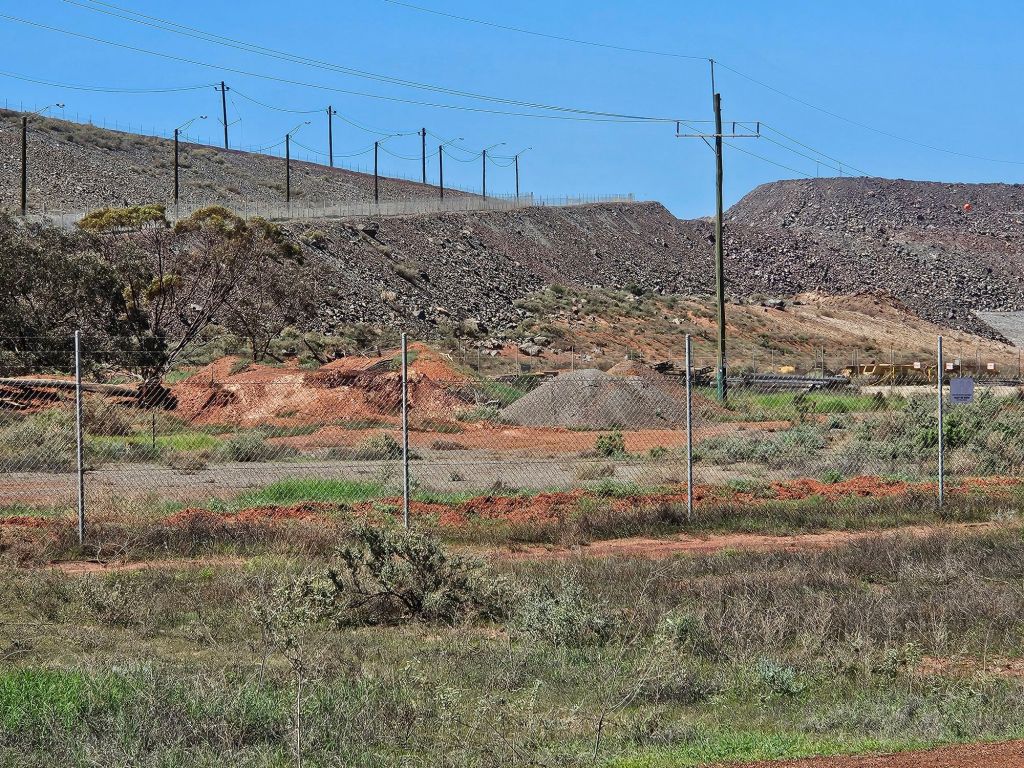
 Ecosystem Hotspots