
[14 minute read]
I moved to Aberdeen from Australia in January 2006. It was my first job after leaving the University of Melbourne. I had always wanted my first graduate role to take me overseas, and after my initial interview with Shell at the Geelong refinery this aspiration seemed in reach, and exotic destinations lay ahead.
Initial conversations with hiring managers in 2005 gave the impression that Malaysia would be my first place of work, so I accepted the job on this verbal indication. A month later I heard that a role in Malaysia would not be possible as a first placement, and I was to go to the United Kingdom. Aberdeen would be my base. The statement was that four years in the Shell graduate program in Aberdeen would give a good grounding in the oil and gas industry and afterwards the expatriate roles in exotic countries would be available.
Knowing then what I know now, negotiating Australia as my base-country would have made future life decisions less traumatic. However at that time I was bright eyed and bushy tailed and keen to explore Europe. Even if it meant staying in a quiet north eastern Scottish fishing village that for some 30 years had transformed itself in to the ‘Oil Capital of Europe’.
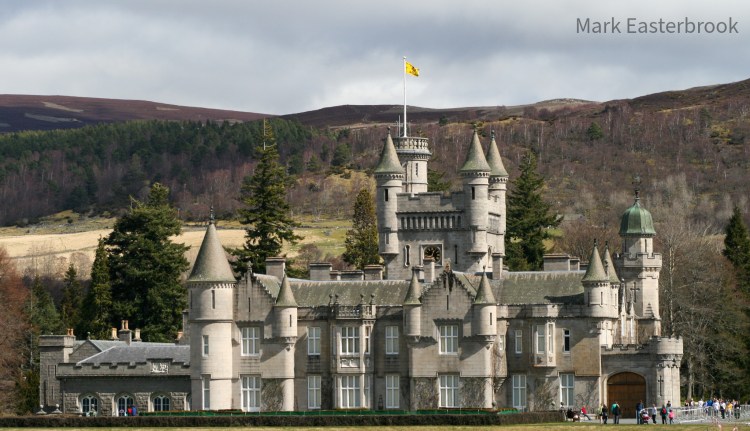
Within 6 months I had bought a place to live. A run-down tenement flat, with granite walls half a meter thick. I now owned something in Great Britain that was as old as the Federation of Australia. During this stint living in Scotland, I worked on the Brent field, the behemoth that brought affordable energy to the United Kingdom from the mid-1970’s and was one of the first offshore concrete leg platforms installed. Then to the Saint Fergus gas terminal, just outside Peterhead, processing a significant volume of the UK daily gas supply.
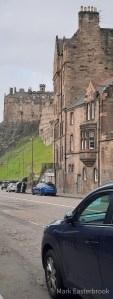
As the 2008 financial crisis hit, I was keen to explore the world through my industry. Alas the economic down-turn had subdued opportunities and international travel plans would have to wait. Where I had thought my time in Aberdeen would be limited to the 4 years initially agreed, it appeared that the plan of spreading my international wings would be somewhat limited by global forces. Rather than wait in Aberdeen through 2010, I managed to negotiate work at the Fife NGL (Natural Gas Liquids) facility, just outside Edinburgh.
Although I was keen to get home, Australia still seemed a quiet sheep paddock at the far end of the earth and it was in Europe that all the exciting developments were happening. Three years later that thinking would be proven incorrect as oil and gas developments boomed down under.
Leaving for the Russian Federation, I thought my time in Aberdeen had drawn to a close. With fond memories of the great people that I called good friends, I happily swapped the cold of the Scottish North-East with the snow of the Russian Far-East. By December 2011, I was enjoying the expatriate lifestyle in the beautiful and exciting Russian island of Sakhalin. A few years in Russia should make it easier to find a role in the booming Australian gas market and set up there…
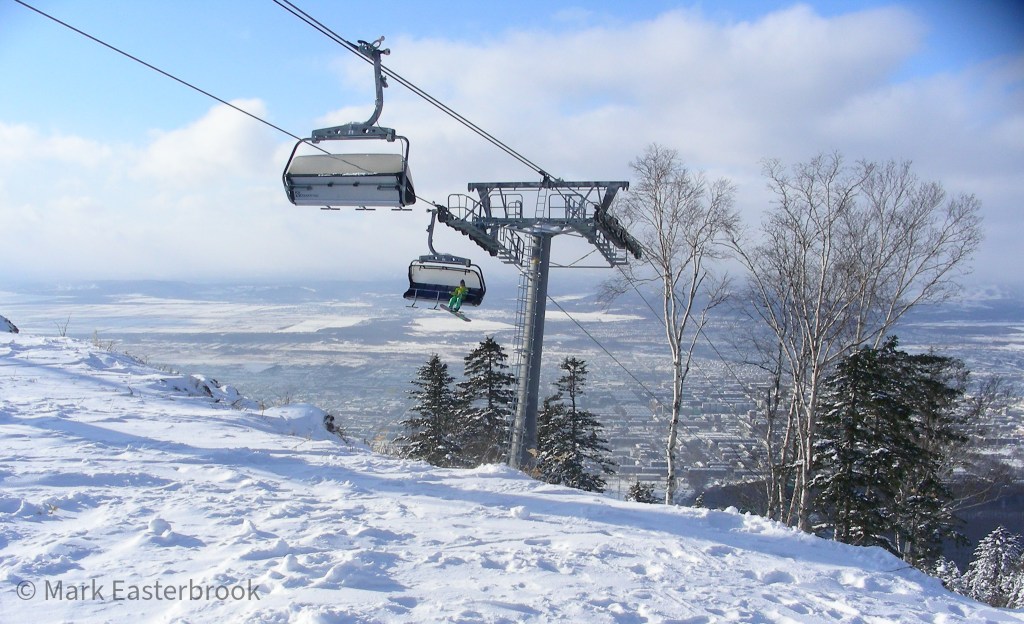
Plans were going well, and the experience in the Liquified Natural Gas (LNG) value chain in Russia was excellent. Working for Sakhalin Energy Investment Company (SEIC) offered 4 excellent years to live in the harsh, but charming, city of Yuzhno-Sakhalinsk.

Although I had missed the proverbial boat on the Australian Prelude Floating Liquified Natural Gas (FLNG) system, Sakhalin was an excellent development opportunity.
By 2015 I was keen to get involved in the Australian Gas Sector and began preparing for a return home. Surprisingly, Shell made it almost impossible for this Australian, who happened to be a UK base country employee, to return to Australia and work on local terms! For the organization to continue to employ expatriates on greater salaries to do the job, was somewhat confusing, but such is life.
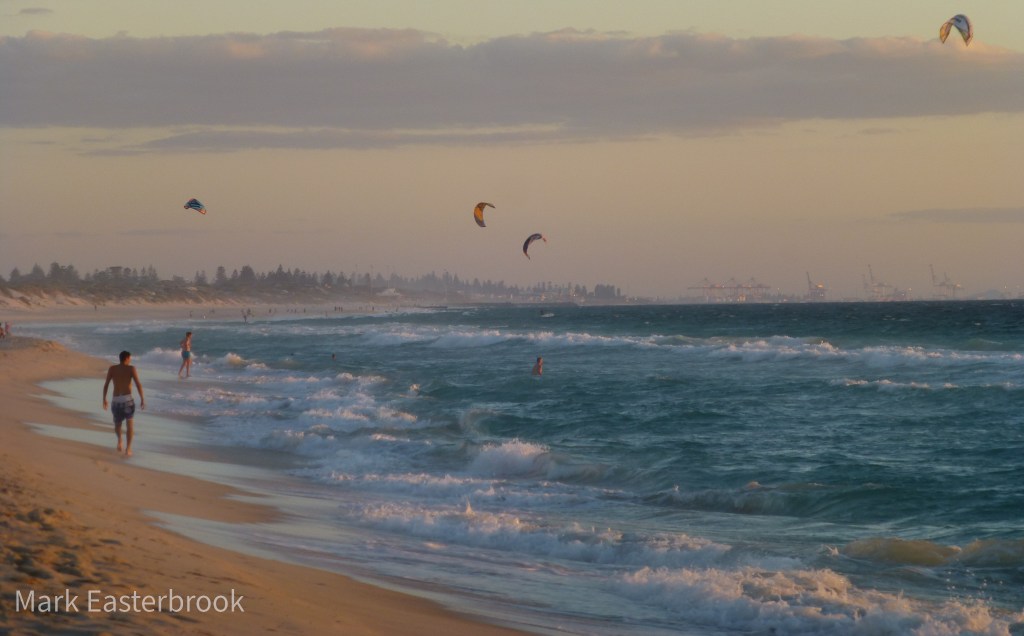
Replicating the Prelude design, the Browse FLNG concept planned to build three large FLNGs and operate them off the coast of Western Australia. Seeking to obtain economic benefits of an FLNG manufacturing line, a very exciting opportunity emerged to be involved in this ambitious project. I applied and secured a role that enabled a move to Perth in August 2015. With dreams of moving to South Korea a few years later to work in the Samsung Heavy Industries yard, the future looked bright…
The oil-price collapse that had started in 2014, made its effects known in early 2016. The Browse Joint Venture partners decided not to invest in this expensive and risky project. Final Investment Decision (FID) was not taken and in March 2016 the project was cancelled, the day before I picked up the keys to my new Perth city center apartment. It was lights out on this career ambition to work on an FLNG facility. At a time where there were very few roles in the industry, it was a difficult employment climate for a project engineer.

2016 was not the right time to switch companies. Ensuring financial stability was my goal at that time. It was thus written that I’d return to Aberdeen, take the pain of a few months there, and position myself for another exciting opportunity elsewhere.
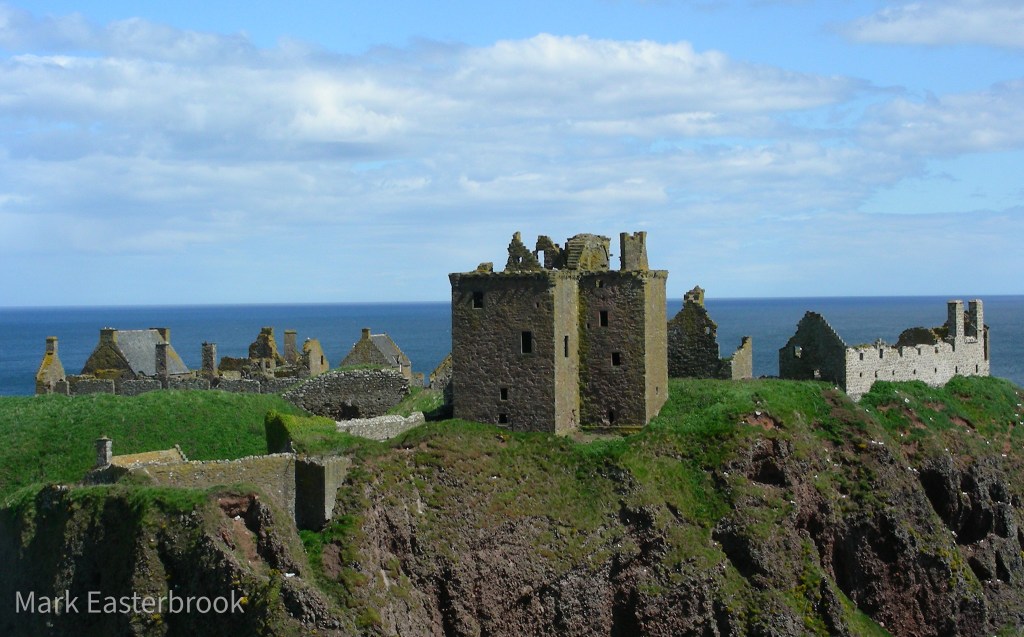
By securing a role in Aberdeen in August 2016, I created great personal conflict in my mind. However, the Curlew FPSO Decommissioning team was one of the most supportive that I have worked in during my career and I’ll be forever thankful for the friendships forged during such a short time.
Five months after returning to Aberdeen, I was offered a role in Brunei Darussalam. This filled me with much enthusiasm, as 11 years prior I had taken the Aberdeen based role thinking that I could work my way to Malaysia. Now, finally, I was off to Brunei, to Seria, a town some 30km from the Malaysian border!
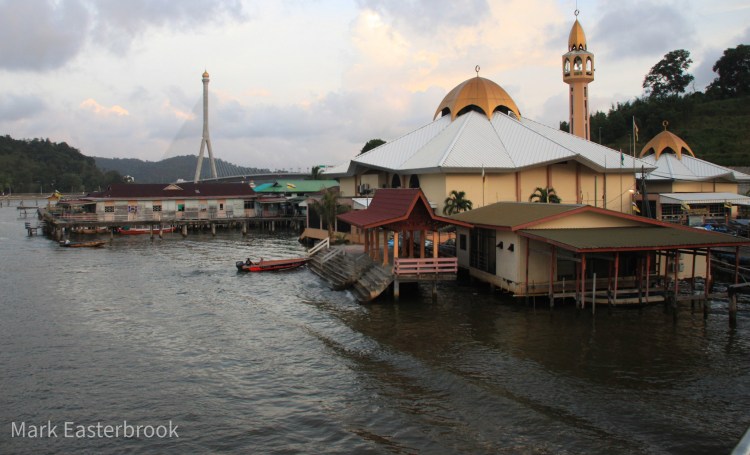
Brunei was an excellent life-experience. However, 12 years into my career, the desire to experience a different organisational culture was growing. With only one promotion under my belt and years of diligently completing the required competency assessments, appraisals and showing initiative, career advancement opportunities were not forthcoming.
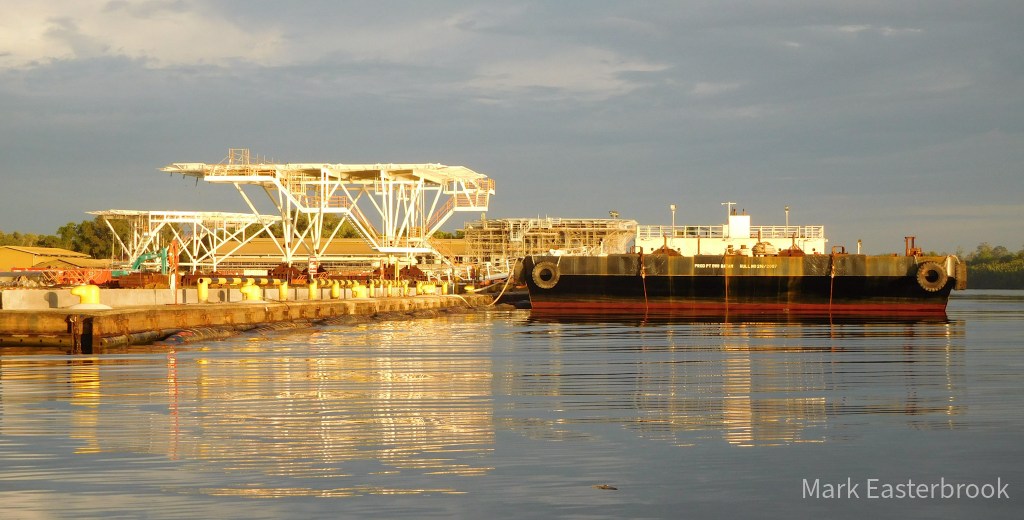
In an unlucky hand during my 5th month with Brunei Shell Petroleum, my role was phased out. Sad, but I was not too unhappy to be back in the job market, thankful for the Brunei experience. Such is the nature of competing for coveted expatriate jobs in the changing oil industry.
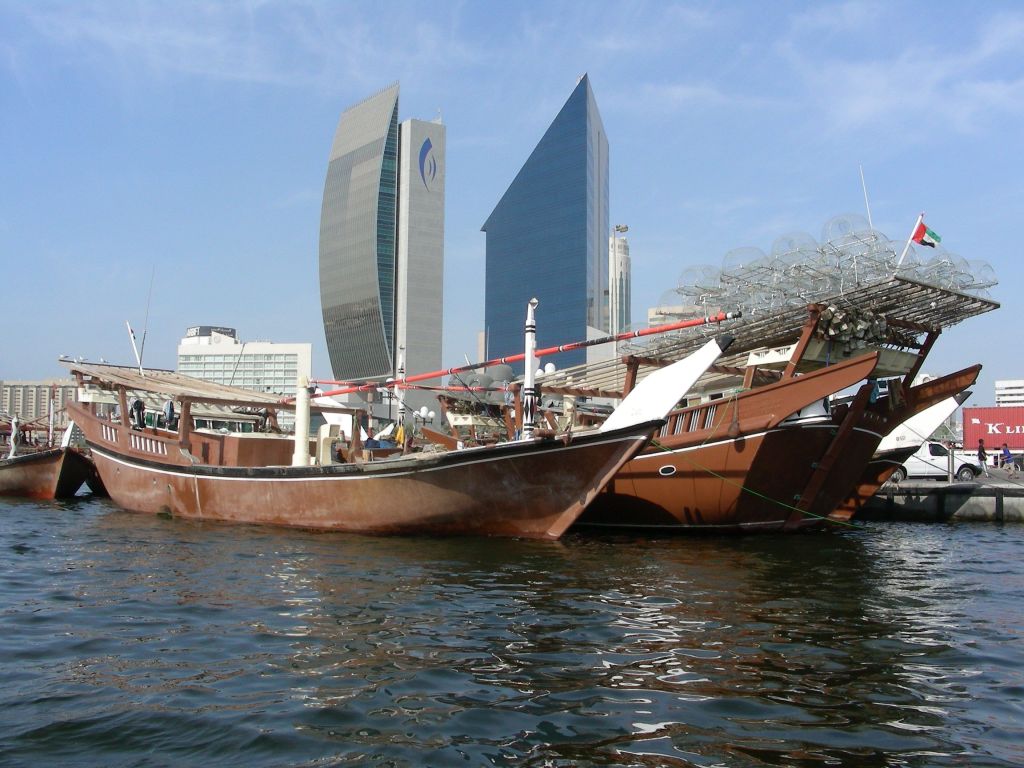
Applying for roles again, I re-imagined my next life away from the tropical rainforests of Brunei. The Middle East was still hiring and I had been hankering to live in Dubai since visiting in early 2006. Following interviews with Saudi Aramco and options in Qatar, exposure to Arabic culture filled me with great motivation.
In a typical Shell way, just as I was ready to jump, an opportunity presented itself. This time in Iraq. I embraced this opportunity. Ever since 2003 I had been interested in this country, and its relationship with oil. When Shell was negotiating with its ministers in 2009 I had asked contacts how I could get involved with project work in country. These thoughts had been placed on the backburner during my time in Russia, Australia and Brunei, but they were very much back again. I would much rather live in Iraq than Aberdeen!
Fed up packing my household goods into boxes and shipping them across the world, I sold most of my possessions in Brunei. Shipping them to Aberdeen only to store and ship them back to Perth did not make sense. So I left Brunei with 150kg of my most prized possessions and headed back to Aberdeen. I sorted through the items in my loft and sent a package down to Australia, to stay with mum and dad until I had a place of my own again. A few days later, tasked to wait until my Iraq visa was processed, I realized I did not have to be in Aberdeen to wait, so booked a flight back to Adelaide and waited for my visa there.
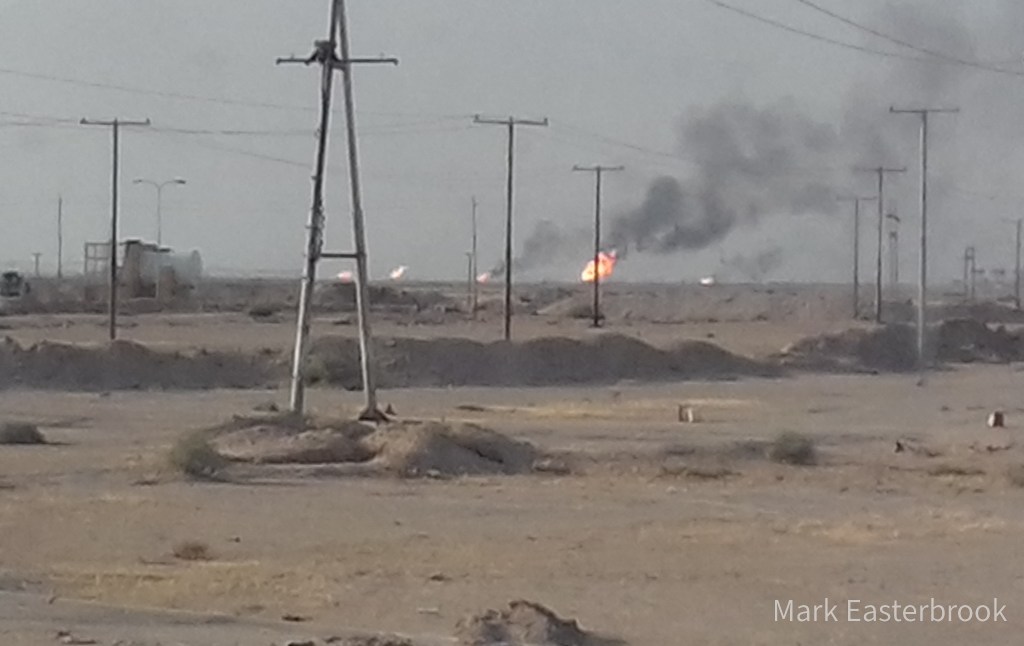
The Iraq experience was excellent. Working for Basrah Gas Company (BGC) was a life experience to cherish forever. But all good things come to an end, and with challenging operational environments, an industry collapse, and a global pandemic, it was time to start planning the exit strategy.
During my 2 years in Iraq I sought to better understand why there was so much flaring in the country. Driving around the oilfields of Basrah the sky is always full of ominous dark clouds emanating from flare stacks and ground vents. We are spending much time, money and emotional energy in Europe lamenting how dirty our lifestyles have become, with very little actual change. But for the cost of a new NGL (Natural Gas Liquids) facility, and gas power plants, like the ones we have at St Fergus and Mossmorran, cleaner usage of fossil-fuels will enable a less disruptive transition to a carbon neutral future.

We have the technology to capture associated gas from these Iraqi fields and similar locations, and process it into a useable product. Obtaining value from a waste stream. We would still be releasing climate change causing molecules in the product lifecycle, but we receive an economic and social benefit from doing so; in cleaner heating, cooking, and industry, or a functioning economy. With Carbon Capture technology (natural or engineered), those excess CO2 molecules could be sequestered for use now, or stored for treatment later. But alas, building a new NGL facility and power station in a country like Iraq is fraught with challenge…
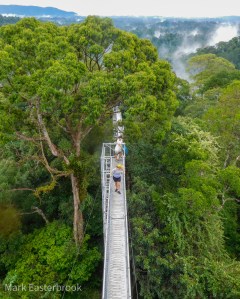
By January 2020 it was time to move on and I was looking for a pivot into the environmental space, ideally within a large oil and gas company. Requesting an opportunity to explore these options I said farewell to my expatriate role and applied for an interesting carbon emissions trading role based in Singapore. Lacking the forestry and environmental economics skills, this application was a long shot. The fallback was to return to Aberdeen and work my way up from the bottom rung of Shell’s Environmental competency profile, gaining exposure to commercializing greenhouse gas abatement opportunities. My target was involvement in the emerging Energy Transition and Net-Zero Carbon arena.
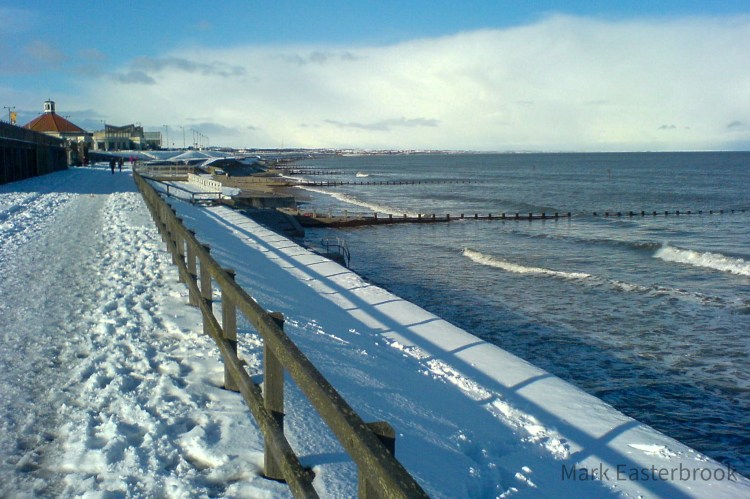
Returning to Aberdeen once again, in July 2020, I was excited about this new potential pathway. But, within weeks it was clear that the Shell organisation of 2006 had moved on, and for good reason. The world had changed significantly in the space of months, due to a changing demand horizon for fossil-fuels and the Covid pandemic. Not wanting to take the same role in the Aberdeen office at the same job group I was in 2011, and with stiff competition within the small Energy Transition team, I assessed my options.
I was keen to return home to Australia, and develop myself in the environmental management area, particularly focused on Nature Based Solutions and carbon sequestration to mitigate the effects of climate change. As luck would have it, the University of Western Australia offers a Master of Environmental Science course that would complement my experience.
Reading more on the Environmental Economics major, I visualized myself working in a team tasked to value ecosystem services and project manage delivery of solutions. I imagined myself as an advisor with robust social, economic and political ideas to address our biodiversity loss and climate change problems with an engineers practicality.
Being accepted on to the course in August 2020, for a start date in February 2021, set the goals for the medium-term. It was now finally time to close up in Aberdeen, disconnect from the organisation that had kept me in a good lifestyle these last 15 years and future proof my employment proposition.
Getting on to a flight to Australia proved very challenging. Daily flight cost variations, random cancellations, Soviet style documentation collection; managing my anxiety became a daily struggle. Moving temporarily to Milton Keynes, I was thankful for the human contact of living with my cousin and his lovely family for 4 months. Together with some covert meetups with my other cousin and his gorgeous family, made for a unique life experience. Including surreptitious running meetups with an old school friend, my final months in the UK for this chapter went surprisingly quickly. Although unemployed and drifting, a position I had always been fearful of, the experience was very satisfying.
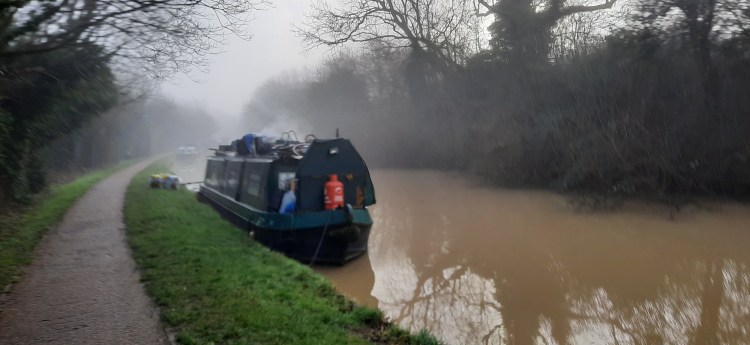
After two cancelled flights, reconciling whether to fly from London Heathrow or Aberdeen, COVID tests in Northampton, and a forgotten Australian Traveler Declaration on Monday morning, Wednesday the 10th of February finally arrived. It was a bitter-sweet early morning breakfast, where my 15-year chapter calling the UK my base came to an end. Happy to be moving on, but realizing that it may be a while before again seeing the cherished UK side of my family, created some dampness deep in the eyes, which I put down to chopping imaginary onions to make an imaginary lasagna.
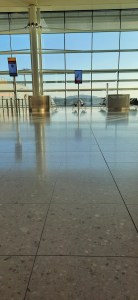
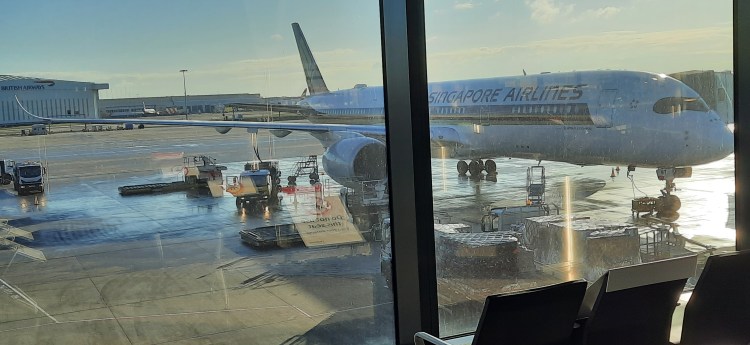
Imagining every type of problem that will keep me from getting on my Singapore Airlines flight, we came up against traffic on the M1 to M25 junction. Cousin Mike expertly managing my anxiety, the congestion cleared and I made it to the airport with 3 hours to spare. The quietest I have ever seen Heathrow, Once my documentation had been approved, the sound of boarding passes printing was a huge relief. Breezing through security and arriving air-side, it was the dream situation, 2 hours to wait!
The Australian government had negotiated with Singapore to allow its UK stranded citizens to board Singapore Airlines to either Perth or Sydney. The key to the deal being the same aircraft travels from London to the destination and passengers stay on-board whilst in Singapore. No problem for me, and as we lifted above London, with only 13 passengers onboard this A350, I accept any challenge of being a hypocritic. Flying every 4 weeks, jetting off to exotic countries to ‘volunteer with ecosystems’, let’s just say I have many trees to plant and many habitats to rehabilitate to pay for this exciting lifestyle!

It is comforting to know that I am moving forward with an environmental science focus, tooled up to support ideas that will enable our energy production facilities to operate in our green-energy future. Through future experiences, I look forward to populating the Net-Zero Carbon Footprint page of this blog, outlining opportunities that global governments, organisations, small companies and NGO’s are playing in this important arena.

by Mark Easterbrook
1st February 2021 (LinkedIN)
13th February 2021 (Facebook)
 Ecosystem Hotspots